
BCS1L Gene Leigh syndrome NGS Genetic Test
Short Name: BCS1L Gene NGS Test
Also known as: Leigh syndrome BCS1L gene test, BCS1L next-generation sequencing, Mitochondrial complex III deficiency gene test
BCS1L Gene Leigh syndrome NGS Genetic Test test available at DNA Labs India for ₹20,000. Uses Next-Generation Sequencing (NGS) on Blood or Extracted DNA or One drop Blood on FTA Card samples. Results in Reports are generally issued within 3 to 4 weeks from the date the sample reaches the laboratory. You will be notified by email, WhatsApp, or phone when the report is ready.. Free home collection in 300+ cities across India.

🩺 Medically Reviewed By
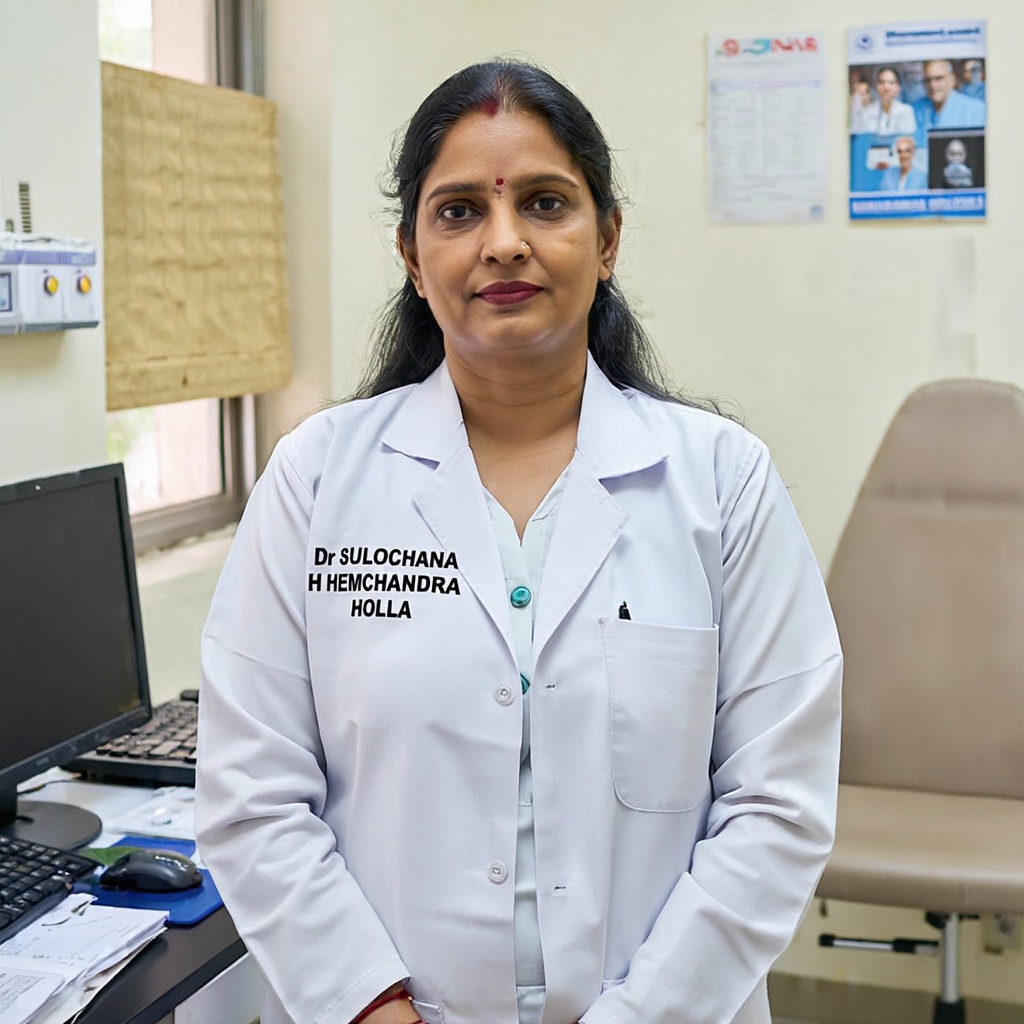
Dr SULOCHANA HEMCHANDRA HOLLA
Consultant Medical Geneticist · Reg: 8532
Last reviewed: September 7, 2026
Overview
The purpose of this NGS genetic test is to identify disease-causing variants in the BCS1L gene associated with Leigh syndrome. It helps confirm the diagnosis, guides prognosis, enables targeted surveillance, and provides crucial information for genetic counselling and family planning.
- Test Code
- 4161
- ICD Code
- G31.81
- Price
- ₹20,000
- Sample Type
- Blood or Extracted DNA or One drop Blood on FTA Card
- Result Time
- Reports are generally issued within 3 to 4 weeks from the date the sample reaches the laboratory. You will be notified by email, WhatsApp, or phone when the report is ready.
- Fasting Required
- No
- Method
- Next-Generation Sequencing (NGS)
Sample Collection
No specific preparation such as fasting is needed. A clinician referral and genetic counselling session are recommended before testing. Please provide family history, previous metabolic/imaging reports, and medication history to the counselling team.
Method: Peripheral venipuncture or dried blood spot
Laboratory Analysis
A small volume of peripheral blood is collected in an EDTA vacutainer. For home collection, one drop of blood on an FTA card may be used. The procedure is simple and takes only a few minutes.
Report Delivery
There are no post-collection restrictions. If samples are collected at home, they should be transported to the laboratory at ambient temperature and should reach the lab within 48 to 72 hours.
Timeline: Reports are generally issued within 3 to 4 weeks from the date the sample reaches the laboratory. You will be notified by email, WhatsApp, or phone when the report is ready.
Patient Instructions
About This Test
Who Should Get This Test
The purpose of this NGS genetic test is to identify disease-causing variants in the BCS1L gene associated with Leigh syndrome. It helps confirm the diagnosis, guides prognosis, enables targeted surveillance, and provides crucial information for genetic counselling and family planning.
How to Prepare
- Genetic counselling and pedigree drawing should be done before testing.
- No fasting is required.
- Use an EDTA tube for whole blood collection.
- Do not freeze whole blood.
- Label all samples clearly with patient name and unique ID.
- For FTA cards, allow the spot to dry completely before packaging.
Doctor's Notes
Reviewed by Dr SULOCHANA HEMCHANDRA HOLLA — MBBS, MD (Medical Genetics) · Reg. No. 8532
"A clinical diagnosis of Leigh syndrome should not be based solely on genetic testing. The BCS1L gene NGS test is appropriate when neurometabolic and neuroradiological features suggest mitochondrial complex III deficiency. For families planning pregnancy, genetic counselling and reproductive options should be discussed after a pathogenic variant is confirmed."
Last medically reviewed: September 7, 2026
Test Parameters & Specifications
Sample Stability
- Hemolyzed or lipemic blood samples
- Clotted blood without anticoagulant
- Insufficient sample quantity
- Degraded DNA
- Samples without proper labeling or requisition form
Understanding Your Results
Pathogenic variant detected
Consistent with a diagnosis of Leigh syndrome / mitochondrial complex III deficiency. Clinical correlation and genetic counselling are recommended.
Likely pathogenic variant detected
Variant is highly suspected to be disease-causing. Additional functional or co-segregation evidence may be needed.
Variant of uncertain significance (VUS)
The variant cannot firmly confirm or exclude the diagnosis. Additional family studies and clinical correlation are advised.
No pathogenic variant detected
Reduces the likelihood of BCS1L-related Leigh syndrome but does not exclude other genetic causes. Consider a broader mitochondrial/Leigh syndrome panel or whole exome sequencing if clinical suspicion remains.
If the child or adult has unexplained developmental regression, muscle weakness, seizures, vision/hearing loss, or respiratory problems, consult a neurologist or clinical geneticist before testing. This test should be ordered by a qualified physician only.
Limitations
- ⚠This test analyzes only the BCS1L gene and does not rule out other nuclear or mitochondrial genes that cause Leigh syndrome.
- ⚠Large deletions, duplications, or deep intronic variants may not be detected by standard NGS.
- ⚠Variants of uncertain significance may be identified.
- ⚠Results must be interpreted by a qualified geneticist in the context of clinical, biochemical, and neuroradiological findings.
Risks & Considerations
- ●Minor pain or bruising at the blood collection site
- ●Psychological stress from possible genetic finding
- ●Identification of variants of uncertain significance
- ●Potential impact on family members if a pathogenic variant is found
Interfering Factors
- ●Severe hemolysis or degraded DNA
- ●Insufficient sample volume
- ●Recent allogeneic bone marrow transplant or blood transfusion may affect DNA result
- ●Sample mislabeling or cross-contamination
- ●Rare PCR or sequencing artifacts
Compare With Similar Tests
| Test | BCS1L Gene Leigh syndrome NGS Genetic Test | |||
|---|---|---|---|---|
| Comparison | BCS1L Gene Leigh syndrome NGS Genetic Test |
Frequently Asked Questions
What is the cost of the BCS1L gene Leigh syndrome NGS test?
What sample is required for this test?
What is Leigh syndrome?
What symptoms may indicate the need for this test?
Does this test require fasting?
How long will the reports take?
Can this test diagnose all cases of Leigh syndrome?
Is genetic counselling required before this test?
Will insurance cover this genetic test?
What does NGS mean?
Do I receive the raw data files?
How can I book this test?
Related Tests
Angelman Syndrome Test
₹10,000Duchenne / Becker Muscular Dystrophy (DMD / BMD) Gene Mutation Test
₹14,000Episodic Ataxia Type 1 Hotspot Test
₹11,500Episodic Ataxia Comprehensive Profile Hotspot Test
₹16,000Megalencephalic Leukoencephalopathy with Subcortical Cysts Van Der Knaap and Nalband MLC Gene Hotspot Mutation Test
₹7,500Analyzer 18 SMA 18 Test Panel
₹1,755Reference Laboratory Services
We serve as a reference laboratory for hospitals and clinics across India. Send samples from your facility with same-day pickup, priority processing, and results delivered through our online portal. Competitive institutional pricing available.
Your Data Privacy
Your medical data is protected under Indian law.
✓ Stored in India: All patient records are stored on servers located in India. No data is transferred outside the country.
✓ DPDP Act Compliant: Under the Digital Personal Data Protection Act 2023, you can request deletion of your records at any time by contacting support.
Book Your Test
Enter your details and we'll connect you within 15 minutes.