
C7orf43 Gene Autism, C7orf43 Related NGS Genetic Test
Short Name: C7orf43 Gene Autism NGS Test
Also known as: C7orf43 Gene Autism Test, C7orf43 Related NGS Genetic Test, Autism C7orf43 NGS Sequencing
C7orf43 Gene Autism, C7orf43 Related NGS Genetic Test test available at DNA Labs India for ₹20,000. Uses NGS Technology on Blood or Extracted DNA or One Drop Blood on FTA Card samples. Results in Reports will be available within 3 to 4 weeks after the sample reaches the laboratory.. Free home collection in 300+ cities across India.

🩺 Medically Reviewed By
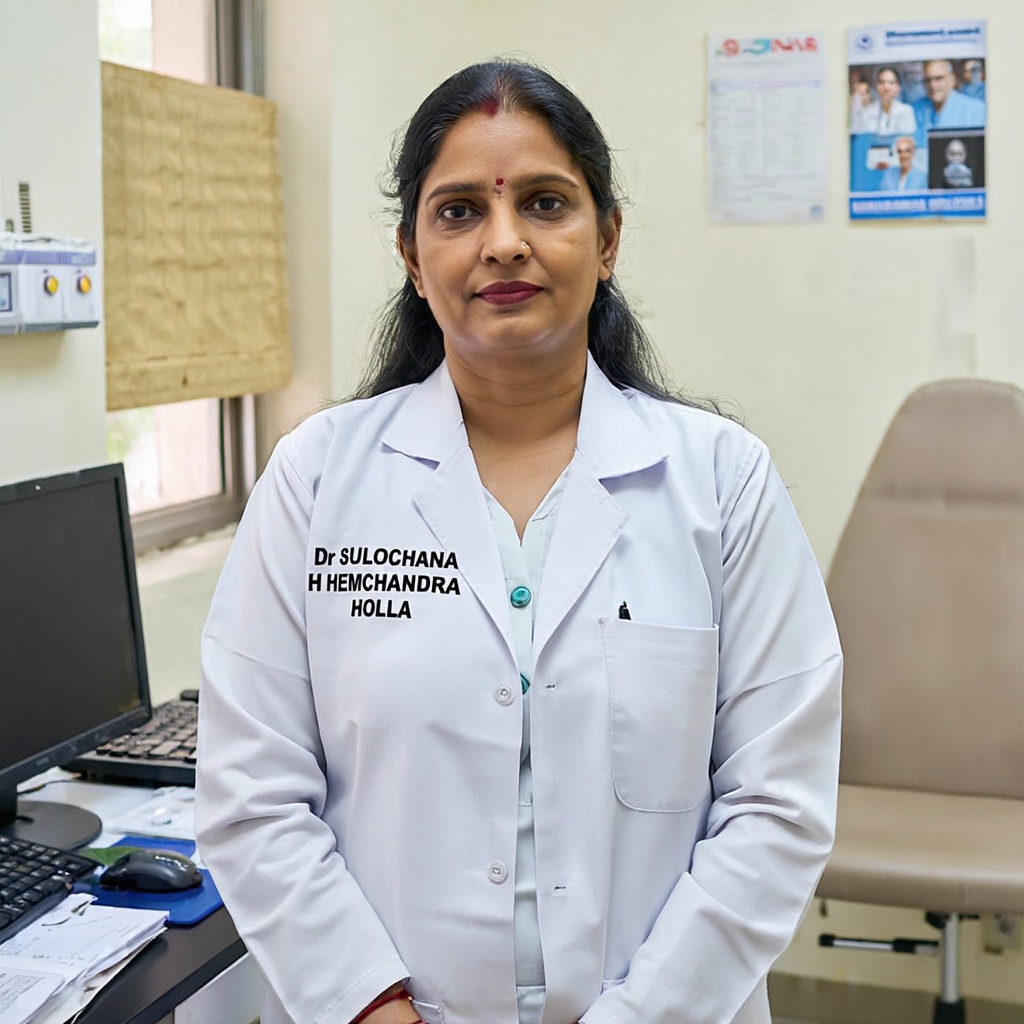
Dr SULOCHANA HEMCHANDRA HOLLA
Consultant Medical Geneticist · Reg: 8532
Last reviewed: September 7, 2026
Overview
The purpose of this targeted NGS test is to evaluate whether a pathogenic variant in C7orf43 is present in an individual with features of autism spectrum disorder or related neurodevelopmental concerns. It is not intended for general screening.
- Test Code
- 3921
- Price
- ₹20,000
- Sample Type
- Blood or Extracted DNA or One Drop Blood on FTA Card
- Result Time
- Reports will be available within 3 to 4 weeks after the sample reaches the laboratory.
- Fasting Required
- No
- Method
- NGS Technology
Sample Collection
No fasting is required. A pre-test genetic counselling session is recommended to draw a pedigree chart of family members affected with C7orf43-related disease or neurological disorders. The clinical history of the patient and the family should be provided to the laboratory.
Method: Venipuncture / FTA card blood spot / submission of extracted DNA
Laboratory Analysis
The sample will be collected by a trained phlebotomist. For a blood sample, a small amount of blood is drawn from a vein. If an FTA card is used, one drop of blood is applied to the marked card and allowed to dry.
Report Delivery
There are no specific post-test restrictions. The sample will be transported to the laboratory, and the report is expected within 3 to 4 weeks. A follow-up consultation should be arranged to review the result.
Timeline: Reports will be available within 3 to 4 weeks after the sample reaches the laboratory.
Patient Instructions
About This Test
Who Should Get This Test
The purpose of this targeted NGS test is to evaluate whether a pathogenic variant in C7orf43 is present in an individual with features of autism spectrum disorder or related neurodevelopmental concerns. It is not intended for general screening.
How to Prepare
- Use an EDTA vacutainer for whole blood collection
- For FTA card, apply at least one blood spot and allow it to dry completely
- Extracted DNA should be clearly labelled with patient details
- All samples must be labelled with patient name, date of birth and date of collection
- Samples should be couriered to the laboratory at ambient temperature unless otherwise instructed
Doctor's Notes
Reviewed by Dr SULOCHANA HEMCHANDRA HOLLA — MBBS, MD (Medical Genetics) · Reg. No. 8532
"In clinical practice, a targeted genetic test such as C7orf43 NGS is best interpreted alongside developmental history, neurological examination, and a formal autism assessment. Family counselling is essential before and after testing."
Last medically reviewed: September 7, 2026
Test Parameters & Specifications
Sample Stability
- Heavily haemolysed blood samples
- Clotted blood in EDTA tube
- Insufficient DNA quantity or quality
- Mislabeled or unlabelled samples
- Samples received in formalin or unsuitable transport medium
Understanding Your Results
Pathogenic or likely pathogenic variant detected in C7orf43
Suggests that the C7orf43 variant may contribute to the autism spectrum disorder phenotype in this individual
Recommendation: Proceed with formal genetic counselling, family testing and correlation with clinical findings
Variant of uncertain significance (VUS) detected in C7orf43
The clinical effect of the variant is not yet known
Recommendation: Further evaluation with segregation analysis in family members may be required
No pathogenic or likely pathogenic variant detected
No disease-associated C7orf43 variant was found in this individual
Recommendation: A negative result does not exclude a genetic cause; consider broader genetic testing such as CMA, WES or an ASD gene panel
Please consult a clinical geneticist, paediatric neurologist or developmental paediatrician if the child shows early signs of ASD, such as delayed speech, poor eye contact, repetitive behaviours, social withdrawal, or regression in communication skills.
Limitations
- ⚠This test only analyses the C7orf43 gene and does not cover all genes associated with autism spectrum disorder
- ⚠Negative result does not exclude a genetic cause of ASD
- ⚠Large deletions, duplications, repeat expansions and structural rearrangements may not be detected by targeted NGS
- ⚠Variants of uncertain significance may require further segregation studies in family members
Risks & Considerations
- ●Minor bruising or tenderness at the venipuncture site
- ●Dizziness or fainting during blood collection
- ●Rare infection at the puncture site
- ●Psychological impact of receiving a genetic result
Interfering Factors
- ●Incomplete clinical history or family history
- ●Poor sample quality or degraded DNA
- ●Incorrect sample labelling or tube type
- ●Presence of variants of uncertain significance
- ●NGS limitations do not cover all types of genetic mutations
Compare With Similar Tests
| Test | C7orf43 Gene Autism, C7orf43 Related NGS Genetic Test | C7orf43 Targeted NGS | Autism Spectrum Disorder NGS Panel | Chromosomal Microarray (CMA) |
|---|---|---|---|---|
| Comparison | C7orf43 Gene Autism, C7orf43 Related NGS Genetic Test |
Related Tests
KCTD3 Gene Neurodevelopmental disorder, KCTD3 related NGS Genetic Test
₹20,000CNTNAP4 Gene Neurodevelopmental disorder, CNTNAP4 related NGS Genetic Test
₹20,000MACF1 Gene Neurodevelopmental disorder, MACF1 related NGS Genetic Test
₹20,000AHNAK2 Gene Autism Spectrum Disorder NGS Genetic Test
₹20,000CROCC Gene Neurodevelopmental disorder, CROCC related NGS Genetic Test
₹20,000ATP1B4 Gene Autism, ATP1B4 Related NGS Genetic Test
₹20,000Reference Laboratory Services
We serve as a reference laboratory for hospitals and clinics across India. Send samples from your facility with same-day pickup, priority processing, and results delivered through our online portal. Competitive institutional pricing available.
Your Data Privacy
Your medical data is protected under Indian law.
✓ Stored in India: All patient records are stored on servers located in India. No data is transferred outside the country.
✓ DPDP Act Compliant: Under the Digital Personal Data Protection Act 2023, you can request deletion of your records at any time by contacting support.
Book Your Test
Enter your details and we'll connect you within 15 minutes.