
CROCC Gene Neurodevelopmental disorder, CROCC related NGS Genetic Test
Short Name: CROCC Gene NGS Test
Also known as: CROCC Gene Mutation Test, Rootletin Gene NGS Test, CROCC Related Neurodevelopmental Disorder Genetic Test, Ciliary Rootlet Coiled-Coil Gene Test, CROCC Ciliopathy Genetic Test
CROCC Gene Neurodevelopmental disorder, CROCC related NGS Genetic Test test available at DNA Labs India for ₹20,000. Uses Next-Generation Sequencing (NGS), Sanger Confirmation, Bioinformatic Analysis (ACMG Guidelines) on Blood or Extracted DNA or One Drop Blood on FTA Card samples. Results in 3 to 4 Weeks from sample receipt at the laboratory. Free home collection in 300+ cities across India.

🩺 Medically Reviewed By
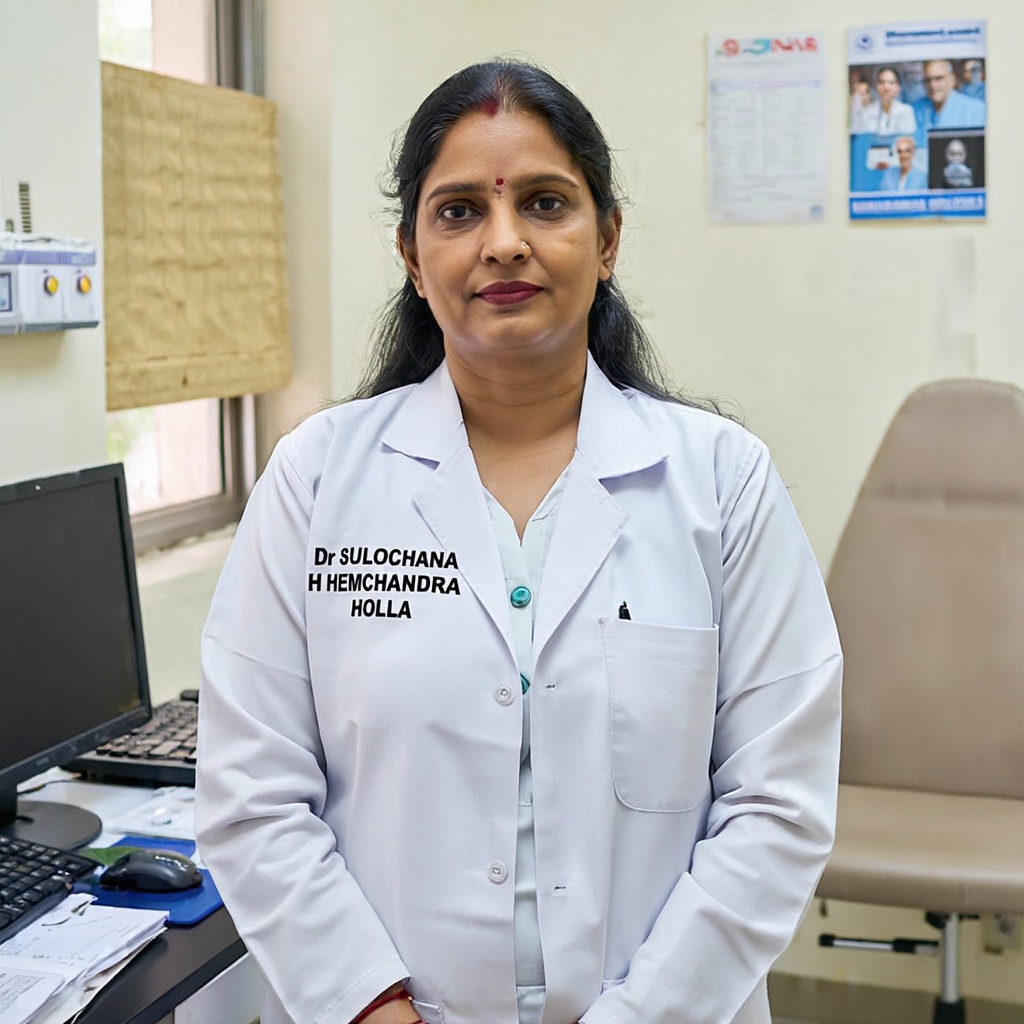
Dr SULOCHANA HEMCHANDRA HOLLA
Consultant Medical Geneticist · Reg: 8532
Last reviewed: September 7, 2026
Overview
The purpose of the CROCC Gene NGS Genetic Test is to detect pathogenic or likely pathogenic mutations in the CROCC gene that are associated with neurodevelopmental disorders. This test aids in confirming a clinical diagnosis, guiding treatment and management decisions, enabling genetic counseling for families, and supporting reproductive planning. It is a vital tool for clinicians evaluating patients with unexplained neurodevelopmental features such as microcephaly, hypotonia, intellectual disability, seizures, and variable brain anomalies.
- Test Code
- 1770
- CPT Code
- 81479
- ICD Code
- Q04.89
- Price
- ₹20,000
- Sample Type
- Blood or Extracted DNA or One Drop Blood on FTA Card
- Result Time
- 3 to 4 Weeks from sample receipt at the laboratory
- Fasting Required
- No
- Method
- Next-Generation Sequencing (NGS), Sanger Confirmation, Bioinformatic Analysis (ACMG Guidelines)
Sample Collection
No special preparation such as fasting is required. Ensure that the patient or guardian provides informed consent. A detailed clinical history and family pedigree should be documented by the referring physician or genetic counselor prior to sample collection.
Method: Venipuncture / FTA Card
Laboratory Analysis
A blood sample of 3-5 mL will be collected via venipuncture into an EDTA (lavender-top) vacutainer. Alternatively, one drop of blood on an FTA card or an extracted DNA sample may be submitted. The procedure is non-invasive, quick, and painless.
Report Delivery
Apply gentle pressure to the venipuncture site with a cotton ball or gauze for 3-5 minutes. The sample will be transported under appropriate ambient temperature conditions to the testing laboratory. Results will be available within 3 to 4 weeks and delivered via online portal, email, or WhatsApp.
Timeline: 3 to 4 Weeks from sample receipt at the laboratory
Patient Instructions
About This Test
Who Should Get This Test
The purpose of the CROCC Gene NGS Genetic Test is to detect pathogenic or likely pathogenic mutations in the CROCC gene that are associated with neurodevelopmental disorders. This test aids in confirming a clinical diagnosis, guiding treatment and management decisions, enabling genetic counseling for families, and supporting reproductive planning. It is a vital tool for clinicians evaluating patients with unexplained neurodevelopmental features such as microcephaly, hypotonia, intellectual disability, seizures, and variable brain anomalies.
How to Prepare
- Collect 3-5 mL of venous blood in an EDTA (lavender-top) vacutainer.
- Alternatively, use an FTA card with one drop of blood or submit extracted DNA.
- Label the sample correctly with patient name, date of birth, and sample ID.
- Do not freeze the blood sample; store at ambient room temperature (15-30°C).
- Transport the sample to the laboratory within 48 hours of collection.
- Ensure the sample is not hemolyzed or clotted.
Doctor's Notes
Reviewed by Dr SULOCHANA HEMCHANDRA HOLLA — MBBS, MD (Medical Genetics) · Reg. No. 8532
"CROCC gene mutations can have significant implications for prenatal and postnatal care. Early identification through NGS-based genetic testing allows families and clinicians to plan appropriate medical management, developmental support, and informed reproductive counseling. I recommend this test when neurodevelopmental concerns or a suggestive family history are identified during prenatal or postnatal consultations."
Last medically reviewed: September 7, 2026
Test Parameters & Specifications
Sample Stability
- Hemolyzed, clotted, or insufficient sample volume
- Incorrectly labeled or unlabeled samples
- Samples collected in incorrect anticoagulant (e.g., heparin tubes)
- Samples older than 48 hours at ambient temperature (for whole blood)
- Contaminated or degraded samples
Understanding Your Results
No pathogenic or likely pathogenic variants were identified in the CROCC gene. This result does not completely exclude a genetic basis for the clinical phenotype, as mutations in other genes may be responsible. Clinical correlation and further genetic evaluation may be considered.
Normal / Negative
Result type: No Pathogenic Variant Detected
One or more pathogenic or likely pathogenic variants were identified in the CROCC gene. This finding is consistent with a diagnosis of CROCC-related neurodevelopmental disorder. Genetic counseling, family member testing, and appropriate clinical management are strongly recommended.
Abnormal / Positive
Result type: Pathogenic or Likely Pathogenic Variant Detected
A variant of uncertain significance was detected in the CROCC gene. Current evidence is insufficient to classify this variant as pathogenic or benign. Family segregation analysis, additional clinical data, and periodic reanalysis may help resolve the significance of the variant.
Indeterminate
Result type: Variant of Uncertain Significance (VUS)
A deletion or duplication involving the CROCC gene region was identified. The clinical significance will depend on the size, location, and gene content of the CNV. Further evaluation with chromosomal microarray and clinical correlation is recommended.
Requires Further Evaluation
Result type: Copy Number Variation Detected
Consult your clinical geneticist, neurologist, or pediatrician if the test detects a pathogenic or likely pathogenic variant in the CROCC gene, if a VUS is identified, or if your child exhibits developmental delays, seizures, microcephaly, hypotonia, or other neurological symptoms. Early consultation enables timely intervention, developmental support, and genetic counseling for the family.
Limitations
- ⚠This test targets the CROCC gene only and does not screen for mutations in other genes associated with neurodevelopmental disorders.
- ⚠Deep intronic and regulatory region variants outside the targeted sequencing regions may not be detected.
- ⚠Variants of Uncertain Significance (VUS) may be identified and may require further investigation or family segregation studies.
- ⚠The test may not detect large structural rearrangements, balanced translocations, or trinucleotide repeat expansions.
- ⚠A negative result does not completely exclude a genetic etiology for the patient's clinical presentation.
- ⚠Results should always be interpreted in the context of clinical findings by a qualified geneticist or treating physician.
Risks & Considerations
- ●Minimal risk associated with blood draw — slight bruising or discomfort at the venipuncture site
- ●Emotional impact of genetic test results on the patient and family members
- ●Risk of identifying variants of uncertain significance that may cause anxiety
- ●Potential implications for family members who may carry the same variant
Interfering Factors
- ●Degraded or insufficient DNA quality in the submitted sample
- ●Contamination of the sample during collection or transport
- ●Recent blood transfusion (within 120 days) may affect results for blood samples
- ●Hemolyzed or clotted blood samples may reduce DNA yield
- ●Inhibitors in the sample affecting NGS library preparation
Compare With Similar Tests
| Test | CROCC Gene Neurodevelopmental disorder, CROCC related NGS Genetic Test | Whole Exome Sequencing (WES) | Chromosomal Microarray (CMA) | Sanger Sequencing |
|---|---|---|---|---|
| Comparison | CROCC Gene Neurodevelopmental disorder, CROCC related NGS Genetic Test | WES analyzes all protein-coding genes genome-wide, while the CROCC gene test focuses specifically on the CROCC gene. WES may be recommended when a broader genetic evaluation is needed. | CMA detects large chromosomal deletions and duplications across the entire genome but does not identify single nucleotide variants. The CROCC NGS test detects point mutations and small InDels within the CROCC gene specifically. | Sanger sequencing targets a single gene or variant and is the traditional method. NGS used in this test allows for high-throughput, comprehensive analysis of the entire CROCC gene in a single run. |
Frequently Asked Questions
What is the CROCC Gene Neurodevelopmental Disorder NGS Genetic Test?
Why is the CROCC Gene NGS Genetic Test recommended?
What sample is required for this test?
How long does it take to receive the results?
What is the cost of the CROCC Gene NGS Genetic Test?
Is the CROCC Gene NGS Genetic Test painful?
Can this test be performed at home?
What does a positive result mean?
What does a negative result mean?
Is genetic counseling required before or after the test?
Who should get tested for CROCC gene mutations?
Is this test available across India?
Related Tests
KCTD3 Gene Neurodevelopmental disorder, KCTD3 related NGS Genetic Test
₹20,000CNTNAP4 Gene Neurodevelopmental disorder, CNTNAP4 related NGS Genetic Test
₹20,000MACF1 Gene Neurodevelopmental disorder, MACF1 related NGS Genetic Test
₹20,000AHNAK2 Gene Autism Spectrum Disorder NGS Genetic Test
₹20,000ATP1B4 Gene Autism, ATP1B4 Related NGS Genetic Test
₹20,000IQCE Gene Autism, IQCE Related NGS Genetic Test
₹20,000Reference Laboratory Services
We serve as a reference laboratory for hospitals and clinics across India. Send samples from your facility with same-day pickup, priority processing, and results delivered through our online portal. Competitive institutional pricing available.
Your Data Privacy
Your medical data is protected under Indian law.
✓ Stored in India: All patient records are stored on servers located in India. No data is transferred outside the country.
✓ DPDP Act Compliant: Under the Digital Personal Data Protection Act 2023, you can request deletion of your records at any time by contacting support.
Book Your Test
Enter your details and we'll connect you within 15 minutes.