
IQCE Gene Autism, IQCE Related NGS Genetic Test
Short Name: IQCE Gene NGS
Also known as: IQCE Gene Sequencing, IQCE Autism NGS Panel, IQCE Gene Mutation Test
IQCE Gene Autism, IQCE Related NGS Genetic Test test available at DNA Labs India for ₹20,000. Uses Next-Generation Sequencing (NGS) on Blood or Extracted DNA or One drop Blood on FTA Card samples. Results in The test report is typically available within 3 to 4 weeks from the date the sample is received at the laboratory. In urgent cases, a preliminary report may be issued earlier; however, the final comprehensive report takes the full turnaround time.. Free home collection in 300+ cities across India.

🩺 Medically Reviewed By
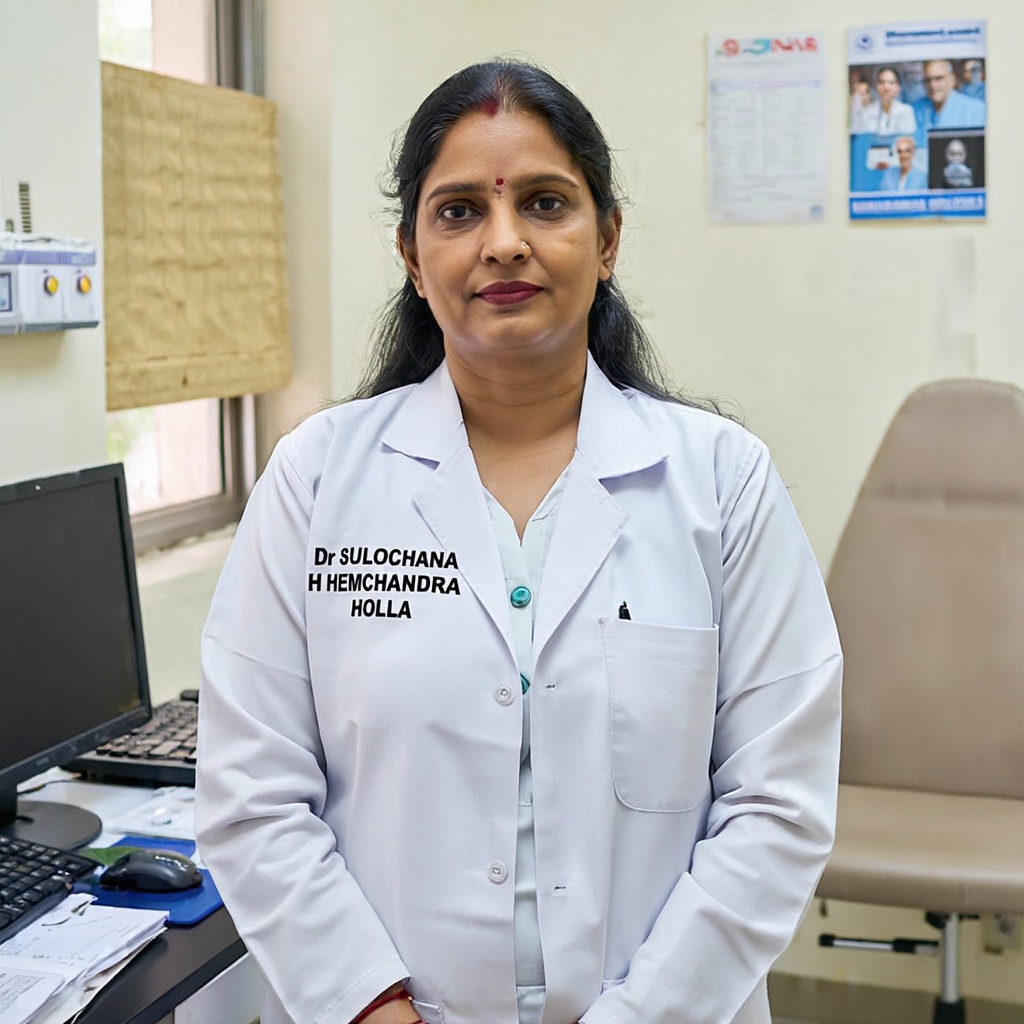
Dr SULOCHANA HEMCHANDRA HOLLA
Consultant Medical Geneticist · Reg: 8532
Last reviewed: September 7, 2026
Overview
The purpose of this NGS genetic test is to detect pathogenic or likely pathogenic variants in the IQCE gene that may contribute to autism spectrum disorder, intellectual disability, epilepsy, or other related neurodevelopmental conditions. Identification of a molecular cause can help confirm the clinical diagnosis, guide anticipatory care, enable accurate recurrence risk counselling for families, and inform future reproductive decisions.
- Test Code
- 3919
- Price
- ₹20,000
- Sample Type
- Blood or Extracted DNA or One drop Blood on FTA Card
- Result Time
- The test report is typically available within 3 to 4 weeks from the date the sample is received at the laboratory. In urgent cases, a preliminary report may be issued earlier; however, the final comprehensive report takes the full turnaround time.
- Fasting Required
- No
- Method
- Next-Generation Sequencing (NGS)
Sample Collection
No fasting is required. A valid insurance card or identification may be needed. If the patient is already on medications, a status update to the clinician is recommended. A genetic counselling session is provided before sample collection to draw a pedigree chart and discuss the risks and benefits of the test.
Method: Venipuncture (blood) / FTA spot collection / DNA sample submission
Laboratory Analysis
For blood collection, a trained phlebotomist will draw a small amount of blood (about 3-5 ml) from a vein in the arm. For FTA card, one drop of blood from a finger prick is applied to the designated paper card. The procedure is safe and takes only a few minutes.
Report Delivery
Patient may resume normal activities immediately. The sample will be transported to the laboratory at controlled temperature. Outstation samples are packed according to international courier guidelines to ensure stability. Reports will be shared in 3 to 4 weeks.
Timeline: The test report is typically available within 3 to 4 weeks from the date the sample is received at the laboratory. In urgent cases, a preliminary report may be issued earlier; however, the final comprehensive report takes the full turnaround time.
Patient Instructions
About This Test
Who Should Get This Test
The purpose of this NGS genetic test is to detect pathogenic or likely pathogenic variants in the IQCE gene that may contribute to autism spectrum disorder, intellectual disability, epilepsy, or other related neurodevelopmental conditions. Identification of a molecular cause can help confirm the clinical diagnosis, guide anticipatory care, enable accurate recurrence risk counselling for families, and inform future reproductive decisions.
How to Prepare
- For blood sample, use an EDTA vacutainer and ensure proper mixing.
- For FTA card, allow the blood spot to dry completely before packing.
- If providing extracted DNA, ensure it is in a sterile, labeled microcentrifuge tube.
- Sample must be labeled with patient name and unique ID.
- For home sample collection, the phlebotomist will carry all necessary collection supplies.
Doctor's Notes
Reviewed by Dr SULOCHANA HEMCHANDRA HOLLA — MBBS, MD (Medical Genetics) · Reg. No. 8532
"Genetic testing for autism spectrum disorder is a step toward personalised care. A definitive molecular diagnosis can aid in recurrence risk counselling, targeted surveillance, and family planning. Home collection and NGS technology make this once-complex test accessible, but results should always be interpreted by a clinical geneticist in the context of the full clinical picture."
Last medically reviewed: September 7, 2026
Test Parameters & Specifications
Sample Stability
- Hemolysed blood sample
- Clotted blood sample in EDTA tube
- Improperly labelled sample
- Leaked or damaged sample container
- FTA card with wet/contaminated spots
Understanding Your Results
If your child or a family member has been diagnosed with autism spectrum disorder, intellectual disability, unexplained epilepsy, or a neurodevelopmental delay, consult a clinical geneticist for evaluation. The geneticist may recommend IQCE gene testing as part of the diagnostic workup. Also consult your doctor if you have a family history of IQCE-related conditions and are planning a pregnancy.
Risks & Considerations
- ●No significant physical risks are associated with blood collection except minor bruising or faintness.
- ●Psychological impact of the test result on the family.
- ●Possibility of finding variants of uncertain significance that may require additional investigation.
Interfering Factors
- ●Poor DNA quality or quantity
- ●Cross-contamination of samples
- ●Incomplete sequencing coverage due to high GC content
- ●Presence of large deletions/duplications undetectable by standard NGS
- ●Variants in non-coding regions outside the sequencing target
Compare With Similar Tests
| Test | IQCE Gene Autism, IQCE Related NGS Genetic Test | IQCE Gene Targeted NGS | Autism Spectrum Disorder NGS Panel | Whole Exome Sequencing |
|---|---|---|---|---|
| Comparison | IQCE Gene Autism, IQCE Related NGS Genetic Test |
Frequently Asked Questions
What is the IQCE gene and how is it related to autism?
Who should undergo the IQCE Gene Autism NGS Genetic Test?
What is the cost of the IQCE Gene Autism NGS Genetic Test at DNA Labs India?
What type of samples are accepted for this test?
Is fasting required before sample collection?
How long does it take to get the test report?
What is Next-Generation Sequencing (NGS) technology?
Does this NGS test detect all genetic causes of autism?
What information will my test report contain?
Will insurance cover the cost of this genetic test?
How do I provide a home sample collection?
Can this test be performed for children?
Related Tests
KCTD3 Gene Neurodevelopmental disorder, KCTD3 related NGS Genetic Test
₹20,000CNTNAP4 Gene Neurodevelopmental disorder, CNTNAP4 related NGS Genetic Test
₹20,000MACF1 Gene Neurodevelopmental disorder, MACF1 related NGS Genetic Test
₹20,000AHNAK2 Gene Autism Spectrum Disorder NGS Genetic Test
₹20,000CROCC Gene Neurodevelopmental disorder, CROCC related NGS Genetic Test
₹20,000ATP1B4 Gene Autism, ATP1B4 Related NGS Genetic Test
₹20,000Reference Laboratory Services
We serve as a reference laboratory for hospitals and clinics across India. Send samples from your facility with same-day pickup, priority processing, and results delivered through our online portal. Competitive institutional pricing available.
Your Data Privacy
Your medical data is protected under Indian law.
✓ Stored in India: All patient records are stored on servers located in India. No data is transferred outside the country.
✓ DPDP Act Compliant: Under the Digital Personal Data Protection Act 2023, you can request deletion of your records at any time by contacting support.
Book Your Test
Enter your details and we'll connect you within 15 minutes.