
CFL1 Gene Corticobasal Degeneration, CFL1 related NGS Genetic Test
Short Name: CFL1 CBD NGS Test
Also known as: CFL1 Gene Sequencing, Corticobasal Degeneration NGS Panel, CFL1 Mutation Analysis
CFL1 Gene Corticobasal Degeneration, CFL1 related NGS Genetic Test test available at DNA Labs India for ₹20,000. Uses Next-Generation Sequencing (NGS) on Blood or Extracted DNA or One drop Blood on FTA Card samples. Results in Results are typically delivered within 3 to 4 weeks after the sample reaches the laboratory.. Free home collection in 300+ cities across India.

🩺 Medically Reviewed By
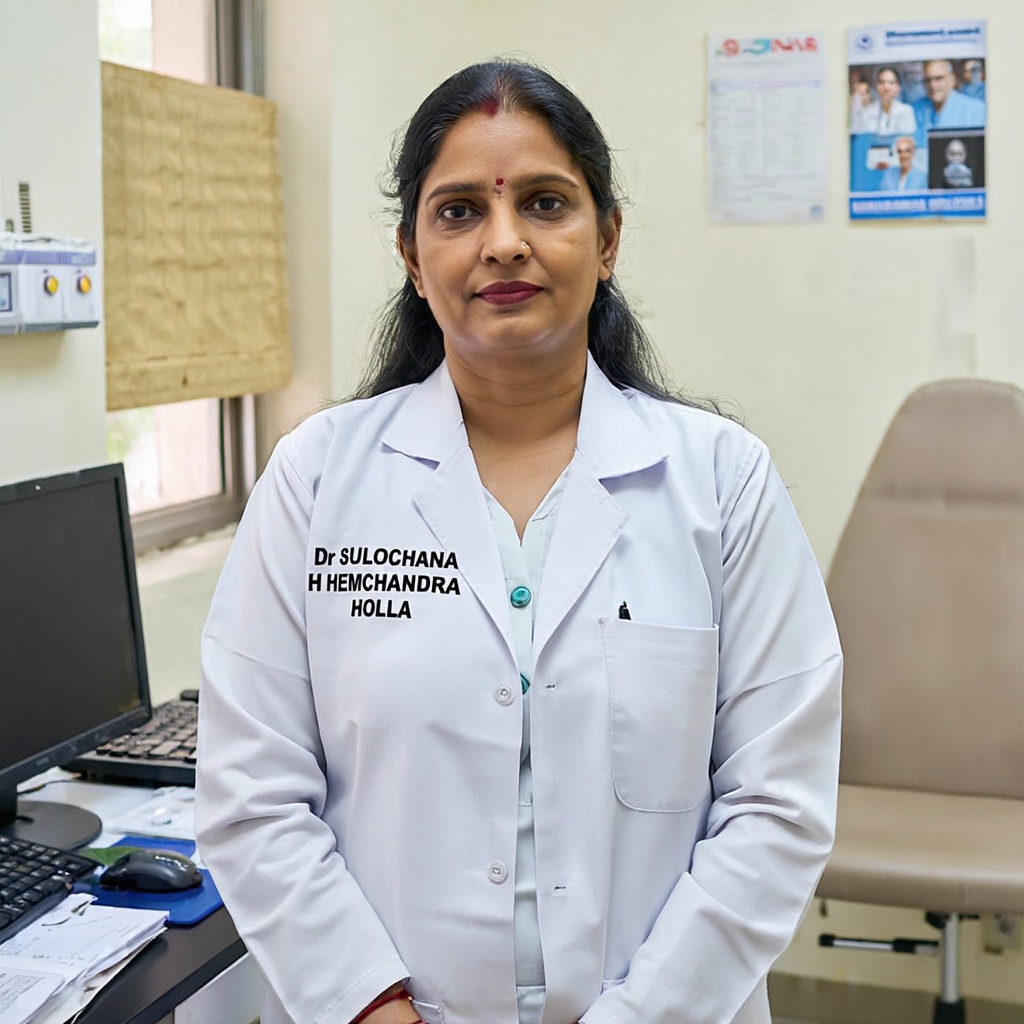
Dr SULOCHANA HEMCHANDRA HOLLA
Consultant Medical Geneticist · Reg: 8532
Last reviewed: September 7, 2026
Overview
The purpose of this NGS genetic test is to identify disease-causing mutations in the CFL1 gene in individuals suspected of having Corticobasal Degeneration. The results support clinical diagnosis, inform prognosis, guide reproductive and family planning decisions, and enable at-risk family members to consider presymptomatic surveillance.
- Test Code
- 3981
- ICD Code
- G31.85
- Price
- ₹20,000
- Sample Type
- Blood or Extracted DNA or One drop Blood on FTA Card
- Result Time
- Results are typically delivered within 3 to 4 weeks after the sample reaches the laboratory.
- Fasting Required
- No
- Method
- Next-Generation Sequencing (NGS)
Sample Collection
No fasting required. No special preparation. It is recommended to provide family history and prior clinical records to the genetic counselor before the test.
Method: Venipuncture or Finger Prick
Laboratory Analysis
A lanced finger or blood draw from the arm will be performed. For FTA cards, a single drop of blood is applied.
Report Delivery
No recovery time needed. Patients can resume normal activities immediately.
Timeline: Results are typically delivered within 3 to 4 weeks after the sample reaches the laboratory.
Patient Instructions
About This Test
Who Should Get This Test
The purpose of this NGS genetic test is to identify disease-causing mutations in the CFL1 gene in individuals suspected of having Corticobasal Degeneration. The results support clinical diagnosis, inform prognosis, guide reproductive and family planning decisions, and enable at-risk family members to consider presymptomatic surveillance.
How to Prepare
- Use EDTA tube for whole blood collection.
- For FTA card, apply one drop of blood from a finger prick.
- Extracted DNA sample must be stored at -20°C.
Doctor's Notes
Reviewed by Dr SULOCHANA HEMCHANDRA HOLLA — MBBS, MD (Medical Genetics) · Reg. No. 8532
"Comprehensive genetic testing for CFL1 mutations can aid in early diagnosis of corticobasal degeneration and help families understand their inheritance risk."
Last medically reviewed: September 7, 2026
Test Parameters & Specifications
Sample Stability
- Hemolyzed blood sample.
- Clotted blood sample.
- Insufficient volume.
- Sample received >4 weeks after collection.
- Improperly labeled or misidentified specimen.
Understanding Your Results
If a pathogenic CFL1 variant is detected, a neurologist and genetic counselor should be consulted to discuss disease management, monitoring, and family member screening. If an inconclusive VUS is seen, a genetics professional will guide further evaluation.
Limitations
- ⚠NGS may not reliably detect large structural rearrangements, repeat expansions, or deep intronic variants
- ⚠Variants of uncertain significance may be reported; they do not confirm a diagnosis unless family segregation studies support pathogenicity
- ⚠A negative result does not exclude a clinical diagnosis of CBD, as other genes or environmental factors may be responsible
- ⚠This test is not intended for screening of the general population
Risks & Considerations
- ●Bruising or discomfort at the blood draw site
- ●Light-headedness during needle puncture
- ●No direct risk from FTA card collection
Interfering Factors
- ●Low DNA quality or quantity leading to sequencing failure
- ●Maternal cell contamination in blood samples from recent transplant recipients
- ●Presence of supernumerary or mosaic variants
- ●Heparinized blood sample (unsuitable for NGS)
- ●Sample collected in improper anticoagulant tube
Compare With Similar Tests
| Test | CFL1 Gene Corticobasal Degeneration, CFL1 related NGS Genetic Test | Brain MRI | Tau PET scan | Clinical Levodopa Challenge |
|---|---|---|---|---|
| Comparison | CFL1 Gene Corticobasal Degeneration, CFL1 related NGS Genetic Test |
Frequently Asked Questions
What is the CFL1 gene?
How is Corticobasal Degeneration (CBD) diagnosed?
What does the CFL1 NGS genetic test detect?
Is there any need for fasting before this test?
How is the sample collected?
What is the turnaround time for the CFL1 gene test?
What is the cost of the CFL1 gene NGS test in India?
Are there any side effects of the test?
What if I have a family history of CBD?
Will this test determine if I will definitely develop CBD?
Can this test be done during pregnancy?
Are home sample collection services available?
Related Tests
Angelman Syndrome Test
₹10,000Duchenne / Becker Muscular Dystrophy (DMD / BMD) Gene Mutation Test
₹14,000Episodic Ataxia Type 1 Hotspot Test
₹11,500Episodic Ataxia Comprehensive Profile Hotspot Test
₹16,000Megalencephalic Leukoencephalopathy with Subcortical Cysts Van Der Knaap and Nalband MLC Gene Hotspot Mutation Test
₹7,500Analyzer 18 SMA 18 Test Panel
₹1,755Reference Laboratory Services
We serve as a reference laboratory for hospitals and clinics across India. Send samples from your facility with same-day pickup, priority processing, and results delivered through our online portal. Competitive institutional pricing available.
Your Data Privacy
Your medical data is protected under Indian law.
✓ Stored in India: All patient records are stored on servers located in India. No data is transferred outside the country.
✓ DPDP Act Compliant: Under the Digital Personal Data Protection Act 2023, you can request deletion of your records at any time by contacting support.
Book Your Test
Enter your details and we'll connect you within 15 minutes.