
Chloroplast Genome Sequencing and Analysis Test
Short Name: Chloroplast Genome Sequencing
Also known as: Chloroplast DNA Sequencing, cpDNA Sequencing, Plastome Sequencing
Chloroplast Genome Sequencing and Analysis Test test available at DNA Labs India for ₹28,000. Uses Next-Generation Sequencing (NGS), Sanger Sequencing on Extracted DNA samples. Results in Reports are delivered within 8 weeks from the date of sample receipt.. Free home collection in 300+ cities across India.

🩺 Medically Reviewed By
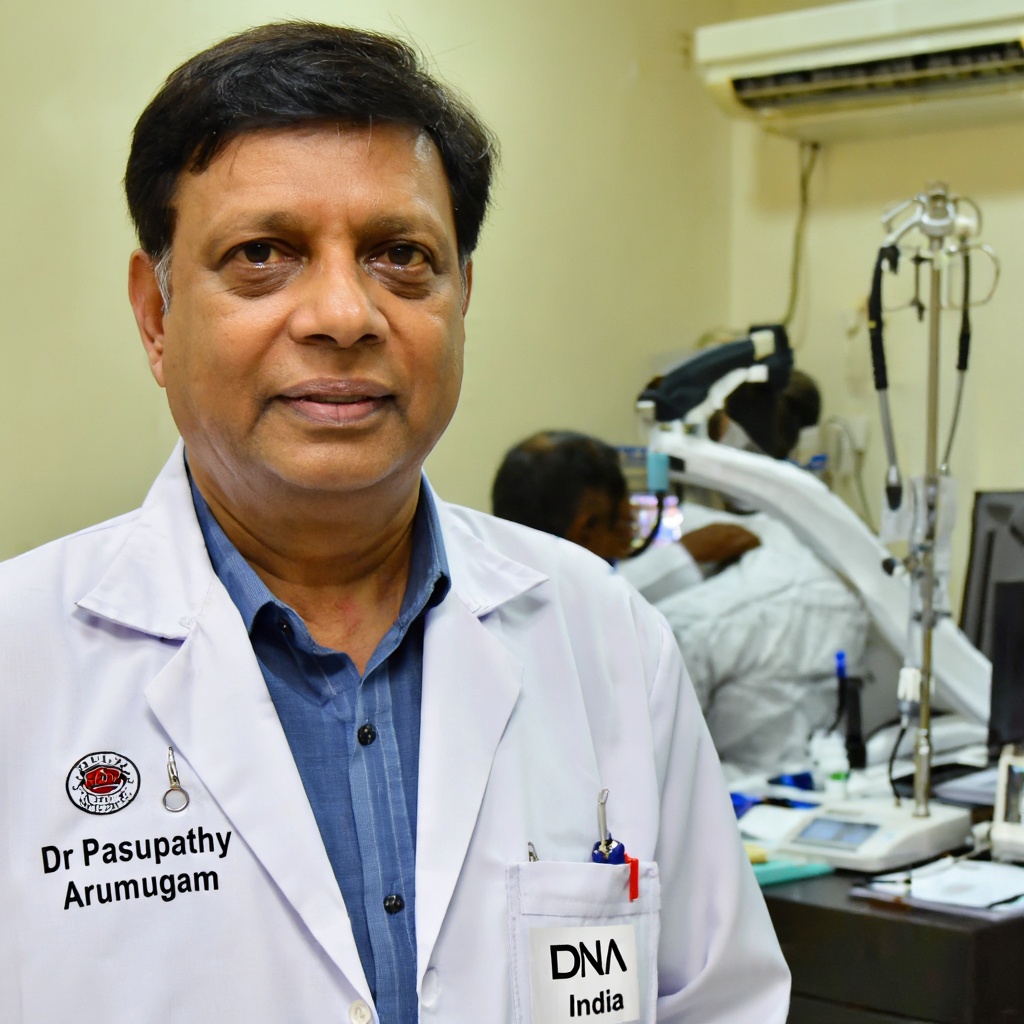
Dr Pasupathy Arumugam
Consultant Pathologist · Reg: 21521
Last reviewed: September 7, 2026
Overview
The primary purpose of chloroplast genome sequencing and analysis is to obtain the complete genetic information of the chloroplast. This data is used for: 1) Phylogenetic and evolutionary studies to understand plant relationships. 2) Identification of genetic mutations associated with chlorophyll deficiency or photosynthesis impairment. 3) Assessment of genetic diversity for conservation and breeding programs. 4) Diagnosis of cytoplasmic male sterility and other maternal inheritance traits. 5) Improvement of crop yield, stress tolerance, and disease resistance through marker-assisted selection. 6) Forensic and taxonomic identification of plant species. By providing a comprehensive view of the chloroplast genome, this test empowers researchers and agriculturists with actionable insights.
- Test Code
- 6351
- CPT Code
- 81479
- ICD Code
- Z01.89
- Price
- ₹28,000
- Sample Type
- Extracted DNA
- Result Time
- Reports are delivered within 8 weeks from the date of sample receipt.
- Fasting Required
- No
- Method
- Next-Generation Sequencing (NGS), Sanger Sequencing
Sample Collection
No specific preparation required. Ensure the plant tissue or blood sample is collected in a sterile container and transported to the lab at the earliest.
Method: Blood or plant tissue sample
Laboratory Analysis
Sample collection is performed by trained professionals. For plant tissue, a small leaf sample is collected. For blood, a standard venipuncture is done.
Report Delivery
No special precautions. You can resume normal activities immediately.
Timeline: Reports are delivered within 8 weeks from the date of sample receipt.
Patient Instructions
About This Test
Who Should Get This Test
The primary purpose of chloroplast genome sequencing and analysis is to obtain the complete genetic information of the chloroplast. This data is used for: 1) Phylogenetic and evolutionary studies to understand plant relationships. 2) Identification of genetic mutations associated with chlorophyll deficiency or photosynthesis impairment. 3) Assessment of genetic diversity for conservation and breeding programs. 4) Diagnosis of cytoplasmic male sterility and other maternal inheritance traits. 5) Improvement of crop yield, stress tolerance, and disease resistance through marker-assisted selection. 6) Forensic and taxonomic identification of plant species. By providing a comprehensive view of the chloroplast genome, this test empowers researchers and agriculturists with actionable insights.
How to Prepare
- For plant samples: Collect fresh, healthy leaf tissue (100 mg) in a sterile tube.
- For blood samples: Use EDTA vacutainer and store at 2-8°C until transport.
- Label the sample clearly with patient/plant ID and date.
- Transport samples to the lab within 24 hours.
Doctor's Notes
Reviewed by Dr Pasupathy Arumugam — MBBS, MD (Pathology) · Reg. No. 21521
"Chloroplast genome sequencing is a powerful tool for understanding plant evolution and diagnosing genetic abnormalities that affect photosynthesis and crop yield. This test provides high-resolution data essential for both research and agricultural applications."
Last medically reviewed: September 7, 2026
Test Parameters & Specifications
Sample Stability
- Hemolyzed blood samples
- Insufficient DNA quantity (<1 µg)
- Contaminated or degraded DNA
- Improperly labeled samples
Understanding Your Results
Normal sequence
No significant genetic abnormalities detected; plant health is likely normal.
Synonymous mutation
No change in amino acid; likely benign.
Non-synonymous mutation in photosynthesis genes
May affect protein function, potentially leading to chlorosis or reduced photosynthetic efficiency.
Large structural variation (e.g., inversion)
Could impact gene expression and plant phenotype.
Presence of novel haplotypes
Useful for phylogenetic studies and breeding programs.
If you are a researcher or farmer and observe unexplained plant symptoms such as yellowing, stunted growth, or poor yield, consult a plant geneticist or agronomist to discuss the results and potential interventions.
Limitations
- ⚠Cannot detect mutations in nuclear or mitochondrial genomes
- ⚠May not identify epigenetic modifications
- ⚠Requires high-quality DNA for optimal results
- ⚠Interpretation may be complex for non-model organisms
- ⚠Not a substitute for whole-genome sequencing
Risks & Considerations
- ●No significant physical risks associated with sample collection.
- ●Possible bruising at blood draw site.
- ●Rare chance of infection if sterile precautions are not followed.
Interfering Factors
- ●Degraded DNA samples may affect sequencing quality
- ●Contamination with nuclear or mitochondrial DNA
- ●Insufficient DNA quantity
- ●PCR amplification errors during library preparation
- ●Bioinformatics misassembly due to repetitive regions
Compare With Similar Tests
| Test | Chloroplast Genome Sequencing and Analysis | Nuclear Genome Sequencing | Mitochondrial Genome Sequencing | SSR Marker Analysis | RAPD Analysis |
|---|---|---|---|---|---|
| Comparison | Chloroplast Genome Sequencing and Analysis | Chloroplast genome sequencing focuses on the plastome, while nuclear genome sequencing covers the entire nuclear DNA. Chloroplast sequencing is more cost-effective for evolutionary studies and maternal lineage tracing. | Both are organellar genomes, but chloroplast sequencing is specific to photosynthesis-related traits, whereas mitochondrial sequencing is used for respiratory function and cytoplasmic male sterility. | SSR markers are simpler and cheaper but provide limited resolution. Chloroplast genome sequencing offers complete genome coverage and higher accuracy. | RAPD is a random amplified polymorphic DNA technique with lower reproducibility. Chloroplast sequencing is more reliable and informative. |
Frequently Asked Questions
What is chloroplast genome sequencing?
What is the cost of chloroplast genome sequencing at DNA Labs India?
What sample is required for this test?
How long does it take to get results?
Is fasting required before the test?
Can this test help improve crop yield?
What are the advantages of chloroplast genome sequencing over other methods?
Is home sample collection available?
What is the turnaround time?
Can this test detect all plant diseases?
Is the test NABL accredited?
How should I book this test?
Related Tests
Reference Laboratory Services
We serve as a reference laboratory for hospitals and clinics across India. Send samples from your facility with same-day pickup, priority processing, and results delivered through our online portal. Competitive institutional pricing available.
Your Data Privacy
Your medical data is protected under Indian law.
✓ Stored in India: All patient records are stored on servers located in India. No data is transferred outside the country.
✓ DPDP Act Compliant: Under the Digital Personal Data Protection Act 2023, you can request deletion of your records at any time by contacting support.
Book Your Test
Enter your details and we'll connect you within 15 minutes.