
CHRNA1 Gene Myasthenic syndrome, congenital, slow-channel NGS Genetic Test
Short Name: CHRNA1 CMS NGS Test
Also known as: CHRNA1-related congenital myasthenic syndrome genetic test, Slow-channel congenital myasthenic syndrome NGS test, CHRNA1 gene mutation analysis
CHRNA1 Gene Myasthenic syndrome, congenital, slow-channel NGS Genetic Test test available at DNA Labs India for ₹20,000. Uses Next-Generation Sequencing (NGS) on Blood or Extracted DNA or One drop Blood on FTA Card samples. Results in Test reports are delivered within 3 to 4 weeks from sample receipt at the laboratory.. Free home collection in 300+ cities across India.

🩺 Medically Reviewed By
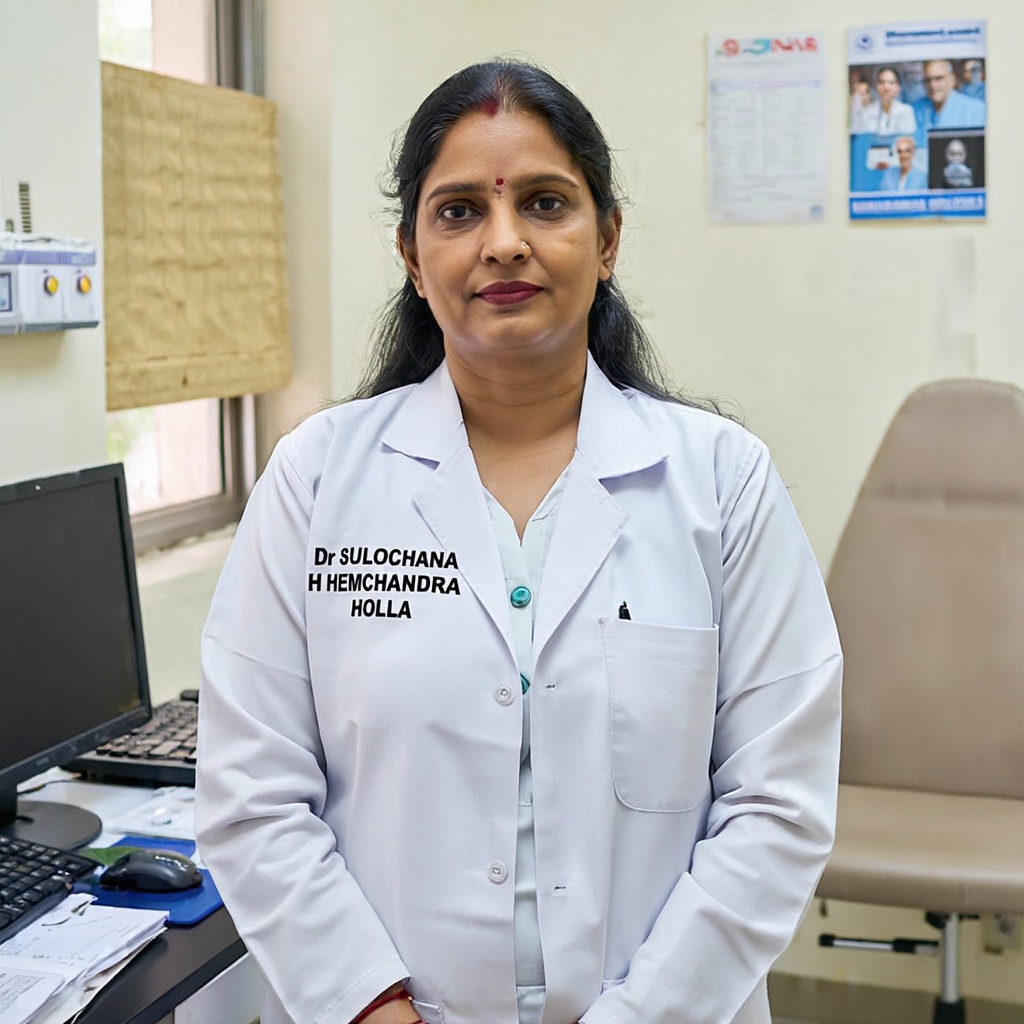
Dr SULOCHANA HEMCHANDRA HOLLA
Consultant Medical Geneticist · Reg: 8532
Last reviewed: September 7, 2026
Overview
The purpose of this NGS genetic test is to identify pathogenic variants in the CHRNA1 gene that cause congenital myasthenic syndrome, slow-channel type. This test provides a definitive molecular diagnosis, helps in genetic counseling, guides prognosis, and enables personalized management of affected individuals.
- Test Code
- 4374
- ICD Code
- G70.2
- Price
- ₹20,000
- Sample Type
- Blood or Extracted DNA or One drop Blood on FTA Card
- Result Time
- Test reports are delivered within 3 to 4 weeks from sample receipt at the laboratory.
- Fasting Required
- No
- Method
- Next-Generation Sequencing (NGS)
Sample Collection
No special preparation is needed. A genetic counseling session before the test is recommended to draw a pedigree chart and assess family history. Clinical history of the patient should be shared with the referring physician.
Method: Venipuncture or dried blood spot on FTA card
Laboratory Analysis
A small volume of blood is collected by a trained phlebotomist. For FTA card, a single drop of blood is spotted on the provided card and allowed to air dry. There is no pain beyond a normal blood draw.
Report Delivery
The sample is labeled and transported to the laboratory at ambient temperature. No specific restrictions or post-test care is required.
Timeline: Test reports are delivered within 3 to 4 weeks from sample receipt at the laboratory.
Patient Instructions
About This Test
Who Should Get This Test
The purpose of this NGS genetic test is to identify pathogenic variants in the CHRNA1 gene that cause congenital myasthenic syndrome, slow-channel type. This test provides a definitive molecular diagnosis, helps in genetic counseling, guides prognosis, and enables personalized management of affected individuals.
How to Prepare
- Specimen type: Whole blood in EDTA tube, or extracted DNA, or dried blood spot on FTA card.
- Label the sample clearly with patient name, unique ID, and date of collection.
- Do not freeze whole blood or FTA card.
- Transport at room temperature to the laboratory within 24 to 72 hours.
- Include the clinical history and family pedigree when submitting the sample.
Doctor's Notes
Reviewed by Dr SULOCHANA HEMCHANDRA HOLLA — MBBS, MD (Medical Genetics) · Reg. No. 8532
"A definitive molecular diagnosis of CHRNA1-related congenital myasthenic syndrome is essential for genetic counseling, prognosis, and treatment planning. This NGS test helps families understand the exact genetic cause."
Last medically reviewed: September 7, 2026
Test Parameters & Specifications
Sample Stability
- Hemolyzed or clotted blood sample
- Improperly labeled or unlabeled sample
- Insufficient quantity of blood or DNA
- Sample received without clinical history and genetic counseling documentation
Understanding Your Results
Positive / Pathogenic variant detected
A pathogenic/likely pathogenic variant in CHRNA1 confirms the diagnosis of slow-channel congenital myasthenic syndrome. Genetic counseling and family testing are recommended.
Negative / No pathogenic variant detected
No pathogenic CHRNA1 variant was identified. Other genes associated with congenital myasthenic syndrome should be considered if clinical suspicion remains high.
Variant of Uncertain Significance (VUS)
A variant was found whose pathogenicity is unknown. Further segregation analysis and functional studies may be needed to clarify its clinical significance.
Consult a neurologist or medical geneticist if you or your child experience persistent muscle weakness, fatigue that worsens with activity, drooping eyelids, double vision, swallowing or breathing difficulties, or if there is a family history of congenital myasthenic syndrome.
Limitations
- ⚠This test analyzes only the CHRNA1 gene; mutations in other genes causing congenital myasthenic syndrome will not be detected.
- ⚠NGS may not detect large deletions, duplications, or deep intronic variants unless complementary techniques are used.
- ⚠Variants of uncertain significance may be reported; additional family segregation studies might be required.
- ⚠Mutation-negative results do not exclude the diagnosis of congenital myasthenic syndrome due to other genetic causes.
Risks & Considerations
- ●Minimal discomfort or bruising at the blood collection site
- ●Very small risk of infection or excessive bleeding at the puncture site
- ●Psychological stress associated with genetic test results
Interfering Factors
- ●Incomplete or inaccurate family history details
- ●Sample contamination with maternal or foreign DNA
- ●Poor DNA quality or quantity
- ●Technical limitations in NGS coverage of certain repetitive or GC-rich regions
Compare With Similar Tests
| Test | CHRNA1 Gene Myasthenic syndrome, congenital, slow-channel NGS Genetic Test | ||||
|---|---|---|---|---|---|
| Comparison | CHRNA1 Gene Myasthenic syndrome, congenital, slow-channel NGS Genetic Test |
Frequently Asked Questions
What is the cost of the CHRNA1 Gene Myasthenic Syndrome congenital slow-channel NGS Genetic Test?
What sample is needed for the CHRNA1 NGS test?
Is fasting required before the test?
How long does it take to get the report?
Does DNA Labs India provide home sample collection?
What does a positive result mean?
What does a negative result mean?
Who should consider this test?
Is genetic counseling required before the test?
Can this test detect all congenital myasthenic syndromes?
What technology is used for testing?
Is this test available outside major cities?
Related Tests
Angelman Syndrome Test
₹10,000Duchenne / Becker Muscular Dystrophy (DMD / BMD) Gene Mutation Test
₹14,000Episodic Ataxia Type 1 Hotspot Test
₹11,500Episodic Ataxia Comprehensive Profile Hotspot Test
₹16,000Megalencephalic Leukoencephalopathy with Subcortical Cysts Van Der Knaap and Nalband MLC Gene Hotspot Mutation Test
₹7,500Analyzer 18 SMA 18 Test Panel
₹1,755Reference Laboratory Services
We serve as a reference laboratory for hospitals and clinics across India. Send samples from your facility with same-day pickup, priority processing, and results delivered through our online portal. Competitive institutional pricing available.
Your Data Privacy
Your medical data is protected under Indian law.
✓ Stored in India: All patient records are stored on servers located in India. No data is transferred outside the country.
✓ DPDP Act Compliant: Under the Digital Personal Data Protection Act 2023, you can request deletion of your records at any time by contacting support.
Book Your Test
Enter your details and we'll connect you within 15 minutes.