
CHRND Gene Myasthenic syndrome, congenital, type 3C, associated with acetylcholine receptor deficiency NGS Genetic Test
Short Name: CHRND CMS Type 3C NGS Genetic Test
Also known as: Congenital Myasthenic Syndrome Type 3C, CMS-3C, CHRND-Related Congenital Myasthenic Syndrome, Acetylcholine Receptor Deficiency Congenital Myasthenic Syndrome, CHRND Gene Congenital Myasthenic Syndrome NGS Test
CHRND Gene Myasthenic syndrome, congenital, type 3C, associated with acetylcholine receptor deficiency NGS Genetic Test test available at DNA Labs India for ₹20,000. Uses Next-Generation Sequencing (NGS), Sanger Confirmation Sequencing, Bioinformatic Variant Analysis, ACMG Variant Classification on Blood or Extracted DNA or One drop Blood on FTA Card samples. Results in Results are typically available within 3 to 4 weeks from the date of sample receipt at the laboratory.. Free home collection in 300+ cities across India.

🩺 Medically Reviewed By
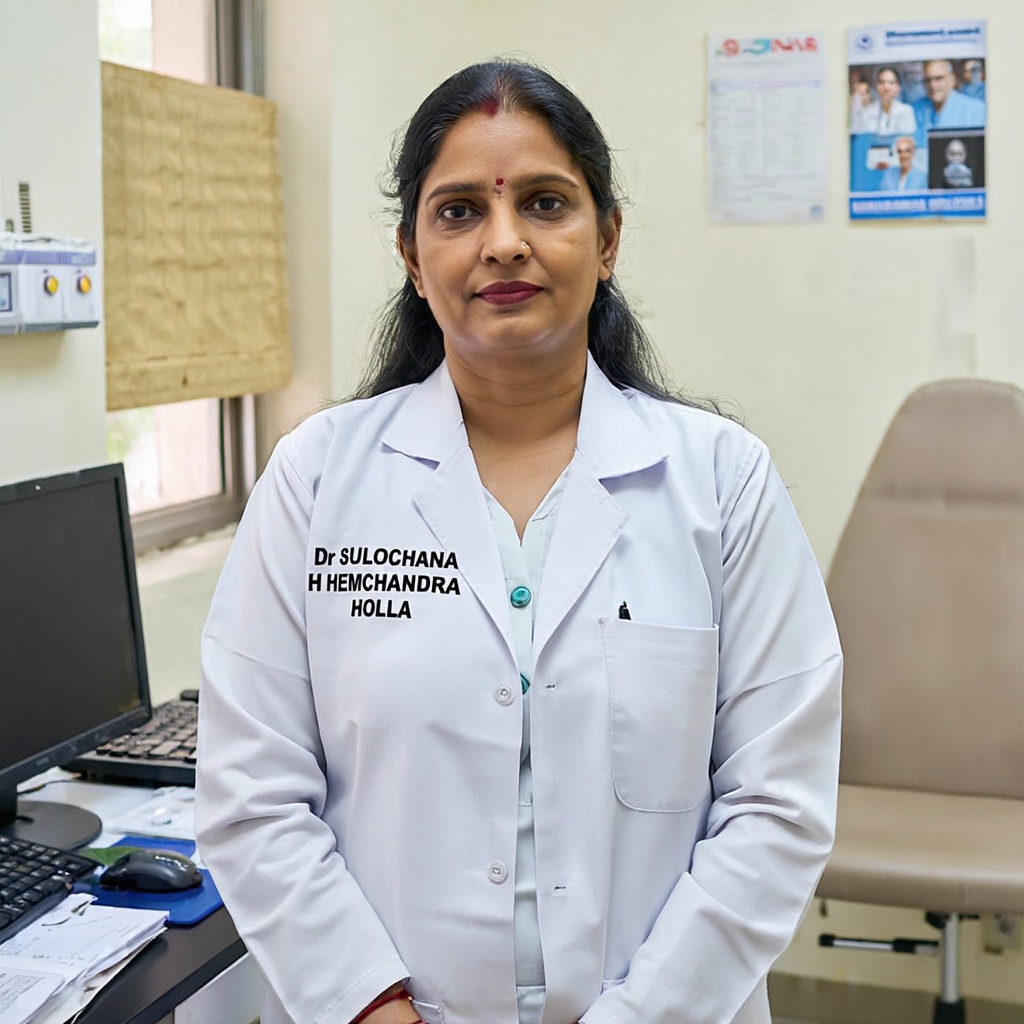
Dr SULOCHANA HEMCHANDRA HOLLA
Consultant Medical Geneticist · Reg: 8532
Last reviewed: September 7, 2026
Overview
The purpose of the CHRND Gene Myasthenic Syndrome Type 3C NGS Genetic Test is to identify pathogenic or likely pathogenic mutations in the CHRND gene that cause Congenital Myasthenic Syndrome Type 3C associated with acetylcholine receptor deficiency. This test enables accurate molecular diagnosis, differentiation from other subtypes of congenital myasthenic syndromes and autoimmune myasthenia gravis, informed treatment selection, carrier testing for family members, prenatal or preimplantation genetic diagnosis in at-risk families, and genetic counselling regarding recurrence risk and prognosis.
- Test Code
- 1757
- CPT Code
- 81479
- ICD Code
- G70.2
- Price
- ₹20,000
- Sample Type
- Blood or Extracted DNA or One drop Blood on FTA Card
- Result Time
- Results are typically available within 3 to 4 weeks from the date of sample receipt at the laboratory.
- Fasting Required
- No
- Method
- Next-Generation Sequencing (NGS), Sanger Confirmation Sequencing, Bioinformatic Variant Analysis, ACMG Variant Classification
Sample Collection
A genetic counselling session is required prior to sample collection to discuss the clinical history, draw a pedigree chart of affected family members, and obtain informed consent. No fasting is required. Patients should inform the laboratory of any recent blood transfusions or ongoing blood disorders.
Method: Venipuncture
Laboratory Analysis
A peripheral blood sample of 3-5 mL is collected via venipuncture into an EDTA (lavender-top) tube. Alternatively, one drop of blood on an FTA card or pre-extracted DNA may be submitted. The procedure is similar to a routine blood draw and takes approximately 5-10 minutes.
Report Delivery
Apply gentle pressure with cotton or a bandage over the puncture site. Avoid heavy lifting with the affected arm for a few hours. There are no specific activity restrictions after blood collection.
Timeline: Results are typically available within 3 to 4 weeks from the date of sample receipt at the laboratory.
Patient Instructions
About This Test
Who Should Get This Test
The purpose of the CHRND Gene Myasthenic Syndrome Type 3C NGS Genetic Test is to identify pathogenic or likely pathogenic mutations in the CHRND gene that cause Congenital Myasthenic Syndrome Type 3C associated with acetylcholine receptor deficiency. This test enables accurate molecular diagnosis, differentiation from other subtypes of congenital myasthenic syndromes and autoimmune myasthenia gravis, informed treatment selection, carrier testing for family members, prenatal or preimplantation genetic diagnosis in at-risk families, and genetic counselling regarding recurrence risk and prognosis.
How to Prepare
- Collect 3-5 mL of peripheral blood in an EDTA (lavender-top) vacutainer tube
- Gently invert the tube 8-10 times immediately after collection to mix with anticoagulant
- Alternatively, place one drop of blood on the designated area of the FTA card and allow to air dry completely
- Label the sample clearly with patient name, date of birth, date and time of collection, and collector's initials
- Maintain the sample at ambient room temperature (15-30°C) during transport to the laboratory
- Ship the sample to DNA Labs India within 48-72 hours of collection for optimal results
Doctor's Notes
Reviewed by Dr SULOCHANA HEMCHANDRA HOLLA — MBBS, MD (Medical Genetics) · Reg. No. 8532
"Congenital Myasthenic Syndrome Type 3C due to CHRND mutations is an important diagnostic consideration in any infant or child presenting with fatigable muscle weakness, ptosis, or respiratory difficulty. Because treatment strategies for CMS subtypes differ significantly — and certain drugs used in autoimmune myasthenia gravis can worsen CMS — an accurate molecular diagnosis via NGS is essential before initiating therapy. Early genetic confirmation allows tailored pharmacological management and informed genetic counselling for families."
Last medically reviewed: September 7, 2026
Test Parameters & Specifications
Sample Stability
- Insufficient sample volume (less than 2 mL of blood)
- Heavily haemolyzed, clotted, or contaminated sample
- Sample collected in incorrect tube type (non-EDTA)
- Unlabelled or mislabelled sample without proper patient identification
- FTA card sample not fully dried before packaging
- Sample received beyond the acceptable stability window without prior notification
Understanding Your Results
Pathogenic or Likely Pathogenic variant(s) detected
Confirms the molecular diagnosis of Congenital Myasthenic Syndrome Type 3C due to CHRND gene mutation. Genetic counselling and targeted treatment planning are recommended. Family members should be offered carrier testing.
Clinical action: Consultation with a neurologist experienced in neuromuscular disorders for treatment optimization. Avoid medications that may worsen CMS such as acetylcholinesterase inhibitors in certain subtypes. Offer carrier testing and genetic counselling to family members.
Variant of Uncertain Significance (VUS) detected
A genetic variant in the CHRND gene was identified, but there is insufficient evidence currently to classify it as pathogenic or benign. Further evaluation through family studies, functional analysis, or updated databases is recommended.
Clinical action: Clinical correlation with the patient's phenotype is essential. Segregation analysis in the family and periodic reassessment as new evidence becomes available are advised. Continue clinical management based on phenotype.
Likely Benign / Benign variants detected
Only non-pathogenic variants were identified in the CHRND gene. This result is considered negative for CHRND-related CMS. The clinical symptoms may be due to mutations in other genes or non-genetic causes.
Clinical action: Consider additional genetic testing for other CMS-related genes (CHRNA1, CHRNB1, CHRNE, RAPSN, DOK7) or comprehensive neuromuscular gene panels. Clinical reassessment and further diagnostic workup may be warranted.
No variants detected
No sequence variants were identified in the CHRND gene. This result does not exclude congenital myasthenic syndrome, as the condition may be caused by mutations in other genes or by mechanisms not detectable by this assay.
Clinical action: Consider expanded gene panel testing or whole-exome sequencing if clinical suspicion remains high. Consult with a clinical geneticist for further evaluation and differential diagnosis.
Consult a neurologist or clinical geneticist if you or your child experience unexplained muscle weakness that worsens with activity, drooping eyelids, difficulty swallowing or breathing, poor feeding in newborns, or delayed motor milestones. If a family member has been diagnosed with a congenital myasthenic syndrome, seek genetic counselling to understand your risk and the benefits of genetic testing.
Limitations
- ⚠This test analyses only the CHRND gene; other genes associated with congenital myasthenic syndromes are not covered
- ⚠Large structural variants, copy number variations, or deep intronic mutations may not be detected by standard NGS sequencing
- ⚠A negative result does not completely exclude congenital myasthenic syndrome as other gene mutations may be causative
- ⚠Variants of Uncertain Significance (VUS) may be identified and require further clinical correlation and family studies
- ⚠This test is not validated for somatic (tumour) mutations and is intended for germline genetic analysis only
Risks & Considerations
- ●Minor bruising or discomfort at the blood collection site, which usually resolves within 1-2 days
- ●Very rare risk of infection at the venipuncture site
- ●Possibility of a Variant of Uncertain Significance (VUS) being identified, which may cause anxiety and requires further evaluation
- ●Emotional impact of receiving a genetic diagnosis; genetic counselling is provided to help families process and understand results
Interfering Factors
- ●Degraded or insufficient DNA quality may affect sequencing coverage and accuracy
- ●Contamination of the sample with foreign DNA may produce erroneous results
- ●Blood transfusion within 2 weeks prior to sample collection may interfere with results
- ●Presence of haematological malignancies may affect DNA extracted from blood
Compare With Similar Tests
| Test | CHRND Gene Myasthenic syndrome, congenital, type 3C, associated with acetylcholine receptor deficiency NGS Genetic Test | ||||
|---|---|---|---|---|---|
| Comparison | CHRND Gene Myasthenic syndrome, congenital, type 3C, associated with acetylcholine receptor deficiency NGS Genetic Test |
Frequently Asked Questions
What is CHRND Gene Congenital Myasthenic Syndrome Type 3C?
How is CMS Type 3C inherited?
What are the symptoms of CHRND Gene Myasthenic Syndrome?
How does the NGS Genetic Test for CMS Type 3C work?
What sample is required for this genetic test?
How long does it take to get the results?
What is the cost of the CHRND Gene NGS Genetic Test in India?
Is home sample collection available for this test?
Who should consider getting this genetic test?
Can this test be performed on a fetus or during pregnancy?
What happens if the test result is positive (pathogenic variant detected)?
Is the CHRND Gene NGS Genetic Test covered by insurance or government health schemes in India?
Related Tests
Angelman Syndrome Test
₹10,000Duchenne / Becker Muscular Dystrophy (DMD / BMD) Gene Mutation Test
₹14,000Episodic Ataxia Type 1 Hotspot Test
₹11,500Episodic Ataxia Comprehensive Profile Hotspot Test
₹16,000Megalencephalic Leukoencephalopathy with Subcortical Cysts Van Der Knaap and Nalband MLC Gene Hotspot Mutation Test
₹7,500Analyzer 18 SMA 18 Test Panel
₹1,755Reference Laboratory Services
We serve as a reference laboratory for hospitals and clinics across India. Send samples from your facility with same-day pickup, priority processing, and results delivered through our online portal. Competitive institutional pricing available.
Your Data Privacy
Your medical data is protected under Indian law.
✓ Stored in India: All patient records are stored on servers located in India. No data is transferred outside the country.
✓ DPDP Act Compliant: Under the Digital Personal Data Protection Act 2023, you can request deletion of your records at any time by contacting support.
Book Your Test
Enter your details and we'll connect you within 15 minutes.