
CLN3 Gene Ceroid lipofuscinosis neuronal type 3 NGS Genetic Test
Short Name: CLN3 Gene NGS Test
Also known as: Juvenile Batten Disease, Juvenile Neuronal Ceroid Lipofuscinosis, JNCL, Batten Disease Type 3, CLN3 Disease
CLN3 Gene Ceroid lipofuscinosis neuronal type 3 NGS Genetic Test test available at DNA Labs India for ₹20,000. Uses Next-Generation Sequencing (NGS) on Blood or Extracted DNA or One drop Blood on FTA Card samples. Results in 3 to 4 Weeks. Free home collection in 300+ cities across India.

🩺 Medically Reviewed By
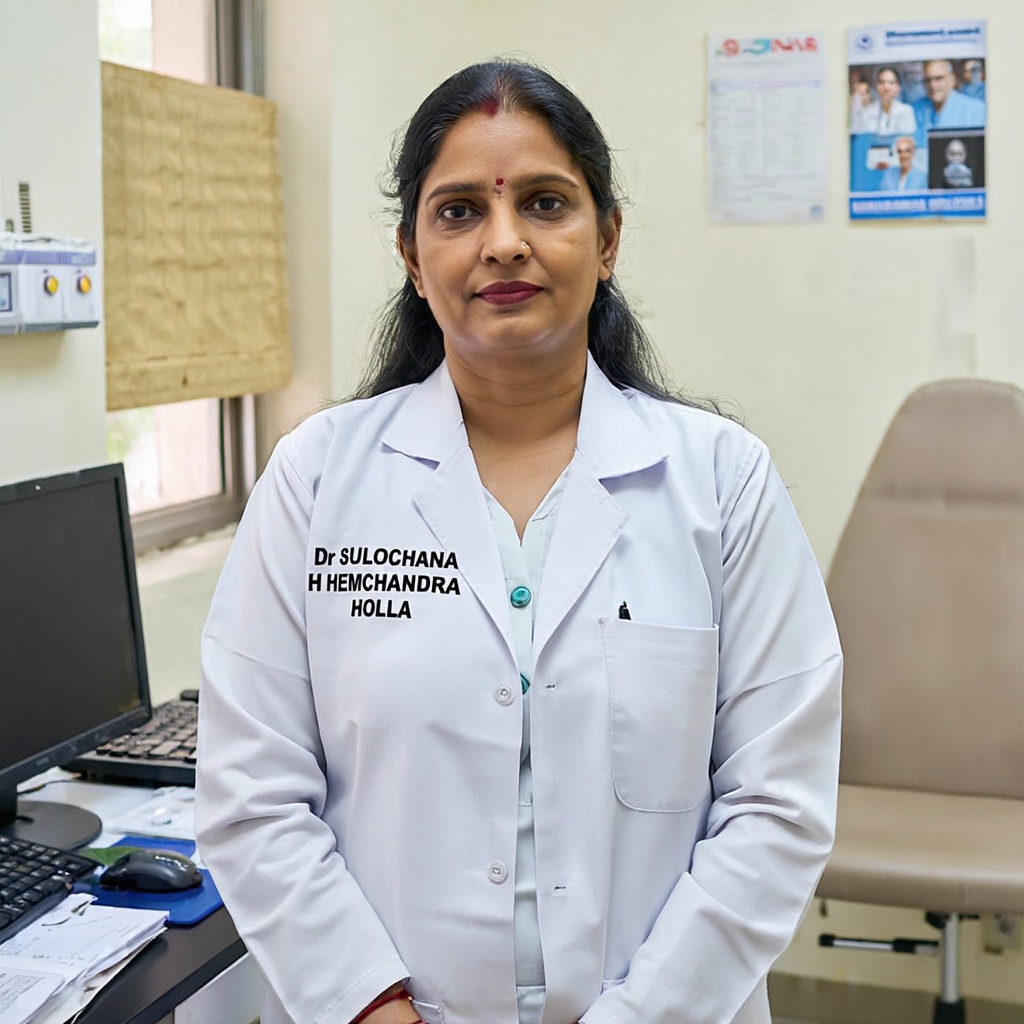
Dr SULOCHANA HEMCHANDRA HOLLA
Consultant Medical Geneticist · Reg: 8532
Last reviewed: September 7, 2026
Overview
The purpose of the CLN3 Gene NGS Genetic Test is to detect mutations in the CLN3 gene to confirm a diagnosis of Juvenile Neuronal Ceroid Lipofuscinosis (Juvenile Batten Disease). This test is used to identify disease-causing genetic variants in individuals presenting with symptoms suggestive of CLN3 disease, to determine carrier status in family members, to assist in genetic counseling and family planning, and to facilitate enrollment in clinical trials or emerging therapeutic programs when available.
- Test Code
- 1922
- Price
- ₹20,000
- Sample Type
- Blood or Extracted DNA or One drop Blood on FTA Card
- Result Time
- 3 to 4 Weeks
- Fasting Required
- No
- Method
- Next-Generation Sequencing (NGS)
Sample Collection
No special preparation or fasting is required before sample collection. A genetic counseling session is strongly recommended prior to testing to discuss the clinical indication, test implications, possible outcomes, and family history. Please provide a detailed clinical history of the patient and a pedigree chart of family members affected with Ceroid Lipofuscinosis Neuronal Type 3 or related metabolic disorders.
Method: Venipuncture
Laboratory Analysis
A trained phlebotomist will collect approximately 3-5 mL of venous blood from a vein in the arm using standard venipuncture technique. Alternatively, a single drop of blood may be collected on an FTA card. The collection procedure typically takes 5-10 minutes. The sample will be labeled, stored appropriately, and transported to the laboratory for DNA extraction and NGS analysis.
Report Delivery
After sample collection, apply gentle pressure on the puncture site with sterile cotton for 3-5 minutes to prevent bruising. You may resume normal activities immediately after blood draw. Keep the puncture site clean and dry. Results will be available within 3 to 4 weeks via the online portal, email, or WhatsApp.
Timeline: 3 to 4 Weeks
Patient Instructions
About This Test
Who Should Get This Test
The purpose of the CLN3 Gene NGS Genetic Test is to detect mutations in the CLN3 gene to confirm a diagnosis of Juvenile Neuronal Ceroid Lipofuscinosis (Juvenile Batten Disease). This test is used to identify disease-causing genetic variants in individuals presenting with symptoms suggestive of CLN3 disease, to determine carrier status in family members, to assist in genetic counseling and family planning, and to facilitate enrollment in clinical trials or emerging therapeutic programs when available.
How to Prepare
- Ensure proper labeling of the sample tube with patient name, date of birth, and unique identification number
- For FTA card collection, allow the blood drop to dry completely at room temperature before packaging
- Transport blood samples at ambient room temperature to the laboratory within 72 hours of collection
- Complete the test requisition form with detailed clinical history, family pedigree information, and referring physician details
- If extracted DNA is being submitted, ensure DNA concentration and quality meet minimum laboratory requirements
Doctor's Notes
Reviewed by Dr SULOCHANA HEMCHANDRA HOLLA — MBBS, MD (Medical Genetics) · Reg. No. 8532
"Early genetic diagnosis of CLN3 disease through NGS testing is crucial for initiating supportive therapies, planning appropriate long-term care, and providing accurate genetic counseling to families. Identifying the specific CLN3 mutations helps in understanding disease prognosis, assessing recurrence risk for future pregnancies, and may open avenues for participation in clinical trials for emerging therapies. Families with a confirmed genetic diagnosis are better equipped to access multidisciplinary care and community support resources."
Last medically reviewed: September 7, 2026
Test Parameters & Specifications
Sample Stability
- Clotted blood sample in EDTA tube
- Insufficient sample volume for DNA extraction
- Sample contaminated or severely hemolyzed
- Improperly labeled or unlabeled sample
- Sample received beyond the stability period
Understanding Your Results
Pathogenic Variant(s) Detected
Disease-causing mutation(s) have been identified in the CLN3 gene. In the context of compatible clinical features, this confirms a diagnosis of CLN3 disease (Juvenile Batten Disease). Genetic counseling is recommended to discuss inheritance patterns, recurrence risk for future pregnancies, and management options.
Likely Pathogenic Variant(s) Detected
Variant(s) have been identified in the CLN3 gene that are likely disease-causing based on available scientific evidence. Clinical correlation and genetic counseling are recommended. Confirmation in parents (segregation analysis) may be advised.
Variant of Uncertain Significance (VUS)
A genetic variant has been detected in the CLN3 gene, but its clinical significance is currently unknown based on available evidence. This result alone is insufficient for diagnosis. Clinical correlation, family studies, functional studies, and periodic reassessment as scientific knowledge evolves are recommended.
No Pathogenic Variant Detected
No disease-causing mutations were identified in the CLN3 gene using NGS. This result significantly reduces the likelihood of CLN3 disease but does not completely exclude it, particularly if deep intronic variants or large structural rearrangements are present. If clinical suspicion remains high, additional testing or evaluation of other NCL-associated genes may be considered.
Carrier Status (Heterozygous)
A single pathogenic variant in the CLN3 gene has been identified, indicating the individual is a carrier of CLN3 disease. Carriers are typically unaffected but have a 50% chance of passing the variant to each offspring. Genetic counseling is recommended for family planning.
Consult a geneticist or neurologist if the CLN3 Gene NGS Test detects pathogenic or likely pathogenic mutations, if a Variant of Uncertain Significance is identified, or if your child develops progressive vision loss, seizures, cognitive decline, motor dysfunction, or behavioral changes between the ages of 4 and 10 years. Families with a confirmed or suspected diagnosis of Batten disease should seek referral to a center experienced in managing neurodegenerative disorders and genetic counseling services.
Limitations
- ⚠This test targets the CLN3 gene and may not detect mutations in other genes associated with neuronal ceroid lipofuscinosis
- ⚠Deep intronic mutations, regulatory region variants, or large structural rearrangements beyond the detection capability of NGS may be missed
- ⚠This test cannot predict the age of symptom onset, disease severity, or rate of progression
- ⚠A negative result does not completely exclude CLN3 disease if clinical suspicion remains high, as novel or private mutations may exist
- ⚠Results should always be interpreted in the context of clinical findings, family history, and other diagnostic investigations
Risks & Considerations
- ●Minimal physical risk from blood draw, including minor bruising or soreness at the puncture site
- ●Rare risk of infection or hematoma at the venipuncture site
- ●Potential psychological and emotional impact of receiving genetic test results
- ●Risk of uncertain or inconclusive findings (VUS) that may cause anxiety and require further investigation
- ●Implications for family members who may also carry the mutation
Interfering Factors
- ●Degraded or low-quality DNA may affect the accuracy of sequencing results
- ●Contamination of the sample with foreign DNA may lead to erroneous results
- ●Insufficient sample volume or very low DNA concentration may require repeat collection
- ●Presence of blood transfusion within 72 hours prior to sample collection may affect results
Compare With Similar Tests
| Test | CLN3 Gene Ceroid lipofuscinosis neuronal type 3 NGS Genetic Test | ||
|---|---|---|---|
| Comparison | CLN3 Gene Ceroid lipofuscinosis neuronal type 3 NGS Genetic Test |
Frequently Asked Questions
What is CLN3 Gene Ceroid Lipofuscinosis Neuronal Type 3?
What is the CLN3 Gene NGS Genetic Test?
Who should undergo the CLN3 Gene NGS Genetic Test?
What are the symptoms of CLN3 disease (Juvenile Batten Disease)?
How is the CLN3 Gene NGS Test performed?
What sample is required for the CLN3 Gene Test?
How long does it take to get the CLN3 Gene Test results?
What is the cost of the CLN3 Gene NGS Genetic Test in India?
Is the CLN3 Gene Test covered by insurance in India?
Can the CLN3 Gene Test be done at home?
What happens if the test detects a mutation in the CLN3 gene?
Is genetic counseling recommended before and after the CLN3 Gene Test?
Related Tests
Angelman Syndrome Test
₹10,000Duchenne / Becker Muscular Dystrophy (DMD / BMD) Gene Mutation Test
₹14,000Episodic Ataxia Type 1 Hotspot Test
₹11,500Episodic Ataxia Comprehensive Profile Hotspot Test
₹16,000Megalencephalic Leukoencephalopathy with Subcortical Cysts Van Der Knaap and Nalband MLC Gene Hotspot Mutation Test
₹7,500Analyzer 18 SMA 18 Test Panel
₹1,755Reference Laboratory Services
We serve as a reference laboratory for hospitals and clinics across India. Send samples from your facility with same-day pickup, priority processing, and results delivered through our online portal. Competitive institutional pricing available.
Your Data Privacy
Your medical data is protected under Indian law.
✓ Stored in India: All patient records are stored on servers located in India. No data is transferred outside the country.
✓ DPDP Act Compliant: Under the Digital Personal Data Protection Act 2023, you can request deletion of your records at any time by contacting support.
Book Your Test
Enter your details and we'll connect you within 15 minutes.