
Cortisol Saliva Test
Also known as: Salivary Cortisol Test, Cortisol Saliva Hormone Test, Free Cortisol Saliva Test, Salivary Cortisol Level Test
Cortisol Saliva Test test available at DNA Labs India for ₹2,340. Uses ECLIA (Electrochemiluminescence Immunoassay) on Saliva samples. Results in Same-day reporting for samples received by Monday 9 AM. Free home collection in 300+ cities across India.

🩺 Medically Reviewed By
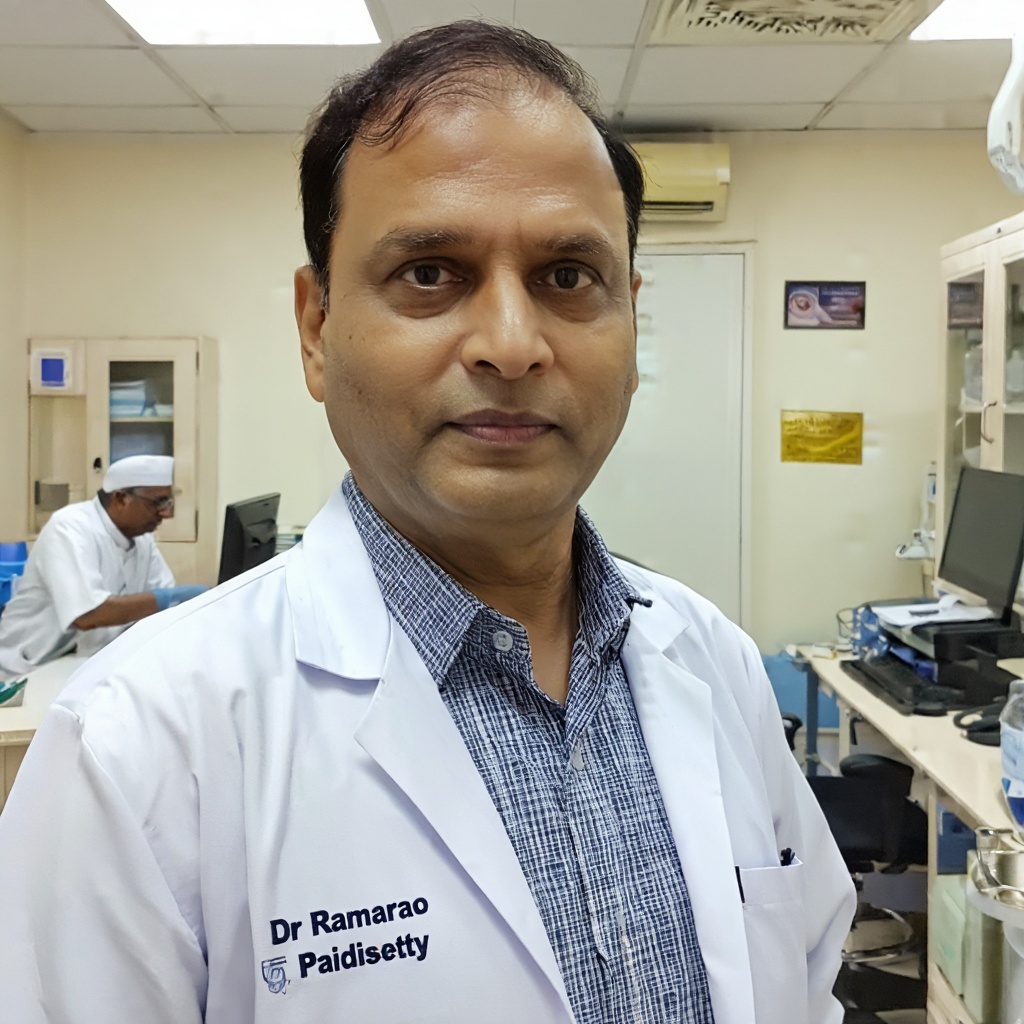
Dr Ramarao Paidisetty
Consultant Biochemist · Reg: 21504
Last reviewed: September 7, 2026
Overview
The primary purpose of the Cortisol Saliva Test is to measure the free (unbound) cortisol levels in the saliva to evaluate adrenal gland function. It is used to diagnose Cushing's syndrome, where the body produces excessive cortisol, and Addison's disease (primary adrenal insufficiency), where cortisol production is inadequate. The test is also valuable for assessing diurnal cortisol patterns, evaluating chronic stress and its physiological impact, monitoring patients on glucocorticoid therapy, investigating unexplained fatigue, weight changes, blood pressure irregularities, and hormonal imbalances. Because salivary cortisol reflects the biologically active hormone, it provides a more accurate assessment of tissue-level cortisol exposure compared to total serum cortisol measurements. Healthcare providers may also order this test at multiple time points throughout the day to create a cortisol curve, which helps in identifying subtle disruptions in the normal cortisol rhythm that a single blood draw might miss.
- Test Code
- 356
- CPT Code
- 82530
- ICD Code
- E27.3
- Price
- ₹2,340
- Sample Type
- Saliva
- Result Time
- Same-day reporting for samples received by Monday 9 AM
- Fasting Required
- No
- Method
- ECLIA (Electrochemiluminescence Immunoassay)
Sample Collection
Rinse mouth thoroughly before collecting the sample. Collect the specimen before brushing teeth. Avoid stress, exercise, eating, and drinking for at least 30 minutes prior to sample collection. Inform your physician about any medications, especially corticosteroids, hormonal supplements, or herbal products you are currently taking.
Method: Self-collection into sterile container
Laboratory Analysis
Salivate gently into the provided sterile screw-capped container until the minimum volume of 2 mL (recommended 5 mL) is reached. Do not cough up mucus or produce phlegm—only saliva should be collected. Ensure the container is sealed tightly after collection.
Report Delivery
Label the container clearly with your name, date, and exact time of collection. Store the sample at room temperature (if delivered within 6 hours), in a refrigerator (up to 4 days), or frozen (up to 1 year). Ship refrigerated or frozen. Ensure prompt delivery to the laboratory for processing.
Timeline: Same-day reporting for samples received by Monday 9 AM
Patient Instructions
About This Test
Who Should Get This Test
The primary purpose of the Cortisol Saliva Test is to measure the free (unbound) cortisol levels in the saliva to evaluate adrenal gland function. It is used to diagnose Cushing's syndrome, where the body produces excessive cortisol, and Addison's disease (primary adrenal insufficiency), where cortisol production is inadequate. The test is also valuable for assessing diurnal cortisol patterns, evaluating chronic stress and its physiological impact, monitoring patients on glucocorticoid therapy, investigating unexplained fatigue, weight changes, blood pressure irregularities, and hormonal imbalances. Because salivary cortisol reflects the biologically active hormone, it provides a more accurate assessment of tissue-level cortisol exposure compared to total serum cortisol measurements. Healthcare providers may also order this test at multiple time points throughout the day to create a cortisol curve, which helps in identifying subtle disruptions in the normal cortisol rhythm that a single blood draw might miss.
How to Prepare
- Rinse mouth thoroughly with water before collecting the sample.
- Collect the specimen before brushing teeth, ideally early in the morning.
- Avoid eating, drinking (including water), smoking, and chewing gum for at least 30 minutes before collection.
- Avoid strenuous exercise and physical activity for at least 30 minutes before collection.
- Remain calm and avoid stressful situations for at least 30 minutes before collection.
- Salivate into the sterile screw-capped container until the required volume is reached.
- Seal the container tightly and label with name, date, and collection time.
- If collecting multiple time-point samples, follow the exact schedule prescribed by your physician.
Doctor's Notes
Reviewed by Dr Ramarao Paidisetty — MBBS, MD (Biochemistry) · Reg. No. 21504
"Salivary cortisol is a reliable, non-invasive biomarker for assessing adrenal function. It is particularly useful for evaluating diurnal cortisol rhythm and is recommended when serum cortisol testing may not reflect the bioavailable hormone levels. If your salivary cortisol results are outside the reference range, please consult an endocrinologist for further evaluation, which may include an ACTH stimulation test or dexamethasone suppression test to confirm the diagnosis."
Last medically reviewed: September 7, 2026
Test Parameters & Specifications
Sample Stability
- Sample contaminated with blood, mucus, or phlegm
- Insufficient sample volume (less than 2 mL)
- Sample collected immediately after eating, drinking, or brushing teeth
- Sample not labelled or missing collection time
- Sample received at room temperature after more than 6 hours of collection
- Leaking or improperly sealed container
Understanding Your Results
Elevated Cortisol (Above Reference Range)
High salivary cortisol may indicate Cushing's syndrome, chronic stress, depression, anxiety, obesity, alcoholism, or uncontrolled diabetes. Further testing including a dexamethasone suppression test and ACTH measurement is recommended for confirmation.
Low Cortisol (Below Reference Range)
Low salivary cortisol may suggest Addison's disease (primary adrenal insufficiency), secondary adrenal insufficiency due to pituitary dysfunction, or suppression from exogenous steroid use. An ACTH stimulation test may be needed to confirm the diagnosis.
Disrupted Diurnal Pattern
A flattened cortisol curve (high nighttime cortisol or blunted morning peak) may indicate chronic stress, sleep disorders, depression, or early-stage adrenal dysfunction. This pattern warrants further evaluation by an endocrinologist.
Normal Cortisol
Normal salivary cortisol within the expected reference range for the collection time point generally suggests adequate adrenal function. If symptoms persist, repeat testing or alternative diagnostic methods may be considered.
Consult an endocrinologist or your healthcare provider if your salivary cortisol results are outside the reference range, if you experience persistent symptoms such as unexplained weight changes, chronic fatigue, muscle weakness, high blood pressure, mood disturbances, or irregular menstrual cycles, or if you are currently on steroid therapy and your cortisol levels require close monitoring. Early consultation can help in timely diagnosis and management of adrenal disorders.
Limitations
- ⚠Salivary cortisol reflects free cortisol only and may not capture total cortisol status.
- ⚠Results can vary based on collection time adherence; timing deviations can affect accuracy.
- ⚠Single time-point measurements may not be sufficient; multiple samples may be needed for a complete diurnal profile.
- ⚠This test should be interpreted alongside clinical symptoms and other laboratory investigations such as serum cortisol, ACTH, and urinary free cortisol.
- ⚠Reference ranges may vary slightly between laboratories and assay methods.
Risks & Considerations
- ●The saliva collection is entirely non-invasive and carries no risk of pain, infection, or bleeding.
- ●There are no known risks or side effects associated with saliva sample collection.
- ●Minimal inconvenience: the only precaution is avoiding eating, drinking, exercising, and stress for 30 minutes before collection.
Interfering Factors
- ●Recent eating, drinking, or brushing teeth within 30 minutes of collection
- ●Physical exercise or strenuous activity shortly before sample collection
- ●Acute psychological or physical stress at the time of collection
- ●Use of topical or oral corticosteroid medications
- ●Use of licorice-containing products
- ●Gum disease, oral lesions, or blood contamination of the saliva sample
- ●Shift work or irregular sleep patterns affecting the normal diurnal rhythm
Compare With Similar Tests
| Test | Cortisol Saliva Test | Cortisol Serum Test | 24-Hour Urinary Free Cortisol Test | ACTH Stimulation Test |
|---|---|---|---|---|
| Comparison | Cortisol Saliva Test | The serum cortisol test measures total cortisol (bound and free) from a blood sample, while the salivary cortisol test measures only free, biologically active cortisol. The saliva test is non-invasive and allows for easy at-home multiple time-point collection, whereas the serum test requires a venipuncture. The serum test may be preferred when rapid results or additional co-measurements (such as ACTH) are needed simultaneously. | The 24-hour urinary free cortisol test collects urine over a full day to measure total cortisol excretion. It provides an integrated measure of cortisol production over 24 hours, while salivary cortisol captures specific time-point values. The urine test requires complete 24-hour collection, which can be inconvenient and error-prone, while the saliva test is simpler and more convenient. | The ACTH stimulation test evaluates adrenal gland response by administering synthetic ACTH and measuring the cortisol response in blood. It is a dynamic, provocative test used to confirm adrenal insufficiency, whereas the salivary cortisol test is a static measurement that assesses baseline cortisol levels. The two tests are often used complementarily in diagnostic workups. |
Frequently Asked Questions
What is a Cortisol Saliva Test?
How much does the Cortisol Saliva Test cost at DNA Labs India?
Is the Cortisol Saliva Test painful?
When should I collect the saliva sample for the Cortisol Saliva Test?
Do I need to fast before the Cortisol Saliva Test?
What do high cortisol levels in saliva indicate?
What do low cortisol levels in saliva indicate?
How is the Cortisol Saliva Test different from a blood cortisol test?
Can medications affect my Cortisol Saliva Test results?
Is home sample collection available for the Cortisol Saliva Test?
How soon will I receive my Cortisol Saliva Test results?
What is the normal range for salivary cortisol?
Related Tests
Reference Laboratory Services
We serve as a reference laboratory for hospitals and clinics across India. Send samples from your facility with same-day pickup, priority processing, and results delivered through our online portal. Competitive institutional pricing available.
Your Data Privacy
Your medical data is protected under Indian law.
✓ Stored in India: All patient records are stored on servers located in India. No data is transferred outside the country.
✓ DPDP Act Compliant: Under the Digital Personal Data Protection Act 2023, you can request deletion of your records at any time by contacting support.
Book Your Test
Enter your details and we'll connect you within 15 minutes.