
CTSD Gene Ceroid lipofuscinosis neuronal type 10 NGS Genetic Test
Short Name: CLN10 NGS Genetic Test
Also known as: CLN10 Disease, Cathepsin D Deficiency, CTSD-Related Neuronal Ceroid Lipofuscinosis, CLN10 Batten Disease, Congenital NCL
CTSD Gene Ceroid lipofuscinosis neuronal type 10 NGS Genetic Test test available at DNA Labs India for ₹20,000. Uses Next-Generation Sequencing (NGS) on Blood or Extracted DNA or One drop Blood on FTA Card samples. Results in Results are typically available within 3 to 4 weeks from the date of sample collection.. Free home collection in 300+ cities across India.

🩺 Medically Reviewed By
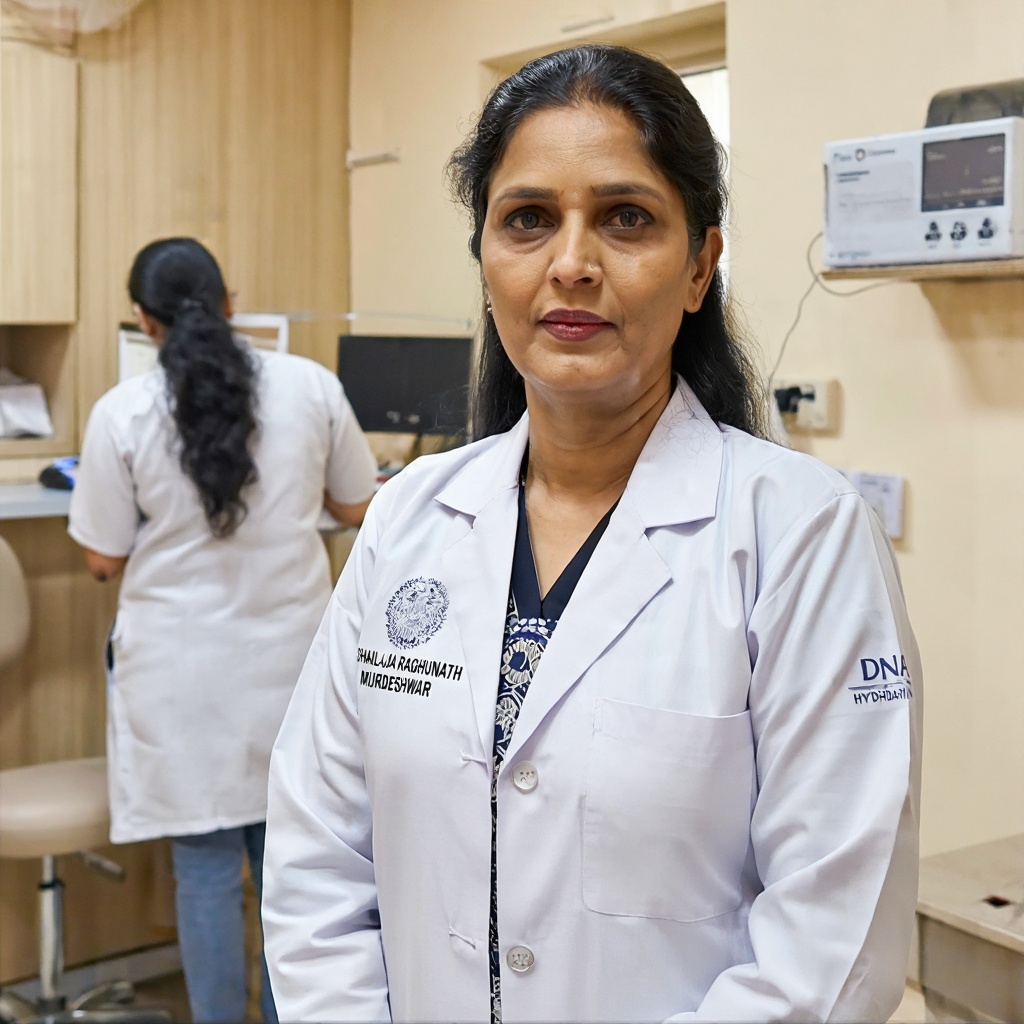
Dr SHAILAJA RAGHUNATH MURDESHWAR
Consultant Physician · Reg: 8052
Last reviewed: September 7, 2026
Overview
The purpose of the CTSD Gene CLN10 NGS Genetic Test is to identify pathogenic mutations in the CTSD gene to confirm a diagnosis of ceroid lipofuscinosis neuronal type 10 (CLN10). This test aids clinicians in establishing a definitive molecular diagnosis, differentiating CLN10 from other neurological conditions with overlapping symptoms, guiding clinical management strategies, facilitating genetic counseling for affected families, and enabling carrier identification for reproductive planning.
- Test Code
- 1921
- ICD Code
- E75.4
- Price
- ₹20,000
- Sample Type
- Blood or Extracted DNA or One drop Blood on FTA Card
- Result Time
- Results are typically available within 3 to 4 weeks from the date of sample collection.
- Fasting Required
- No
- Method
- Next-Generation Sequencing (NGS)
Sample Collection
A genetic counseling session is recommended prior to testing to discuss the purpose of the test, implications of possible results, and to draw a pedigree chart of family members affected with ceroid lipofuscinosis neuronal type 10 disease. Provide detailed clinical history of the patient. No fasting is required.
Method: Venipuncture / Finger-prick (FTA Card)
Laboratory Analysis
A trained phlebotomist will collect a blood sample via venipuncture from a vein in the arm. Alternatively, a finger-prick blood sample can be collected on an FTA card. The collection procedure typically takes less than 10 minutes and is associated with minimal discomfort.
Report Delivery
Apply gentle pressure to the puncture site with cotton or a bandage for a few minutes to stop any minor bleeding. Results will be available within 3 to 4 weeks. A follow-up genetic counseling session is recommended upon receipt of results for proper interpretation and guidance.
Timeline: Results are typically available within 3 to 4 weeks from the date of sample collection.
Patient Instructions
About This Test
Who Should Get This Test
The purpose of the CTSD Gene CLN10 NGS Genetic Test is to identify pathogenic mutations in the CTSD gene to confirm a diagnosis of ceroid lipofuscinosis neuronal type 10 (CLN10). This test aids clinicians in establishing a definitive molecular diagnosis, differentiating CLN10 from other neurological conditions with overlapping symptoms, guiding clinical management strategies, facilitating genetic counseling for affected families, and enabling carrier identification for reproductive planning.
How to Prepare
- Ensure the patient is correctly identified with proper labeling of the sample tube or FTA card
- Use sterile collection technique to prevent contamination
- For blood collection: draw 3-5 mL into an EDTA (lavender-top) tube and mix gently
- For FTA card: collect one drop of blood directly onto the designated area and allow to air dry completely
- Transport the sample at ambient room temperature unless otherwise specified
- Avoid hemolysis during blood draw by using appropriate needle gauge and gentle handling
Doctor's Notes
Reviewed by Dr SHAILAJA RAGHUNATH MURDESHWAR — MBBS, MD (General Medicine) · Reg. No. 8052
"CLN10 is an autosomal recessive disorder, meaning both parents must carry a pathogenic CTSD gene variant for a child to be affected. For couples with a family history of neuronal ceroid lipofuscinosis or consanguineous unions, carrier screening through NGS analysis of the CTSD gene is strongly recommended. Identifying carriers enables informed reproductive planning and allows for early neonatal intervention when necessary. Genetic counseling should accompany all testing to help families understand inheritance patterns, recurrence risks, and available reproductive options."
Last medically reviewed: September 7, 2026
Test Parameters & Specifications
Sample Stability
- Insufficient sample volume or quantity
- Heavily hemolyzed, lipemic, or icteric samples
- Unlabeled, mislabeled, or improperly identified samples
- Samples collected in incorrect tube type (non-EDTA)
- Contaminated FTA card or improperly dried blood spot
- Samples exceeding the stated stability duration
Understanding Your Results
Pathogenic Variant Detected
Diagnostic confirmation of CLN10
Likely Pathogenic Variant Detected
Probable diagnosis; further evaluation recommended
Variant of Uncertain Significance (VUS)
Inconclusive; monitoring and further investigation advised
No Pathogenic Variant Detected
CLN10 unlikely but not fully excluded
Carrier Identified (Heterozygous)
Carrier status; reproductive counseling recommended
Consult a healthcare professional or geneticist if your child or a family member exhibits early-onset progressive vision loss, seizures, cognitive decline, muscle stiffness, or speech difficulties. Additionally, seek medical advice if there is a known family history of neuronal ceroid lipofuscinosis, Batten disease, or CTSD gene mutations. Early consultation is essential for timely diagnosis, appropriate management, and genetic counseling for family planning.
Limitations
- ⚠This test is limited to the CTSD gene only and does not screen for mutations in other neuronal ceroid lipofuscinosis-associated genes
- ⚠Deep intronic variants, large deletions, duplications, or structural rearrangements may not be reliably detected by standard NGS sequencing
- ⚠Variants of uncertain significance (VUS) may be identified, and their clinical relevance may not be fully established
- ⚠This test does not rule out other genetic or non-genetic causes of neurological symptoms
- ⚠Test results should always be interpreted in the context of clinical findings and family history by a qualified geneticist
Risks & Considerations
- ●Minor bruising or discomfort at the blood draw site
- ●Slight risk of infection at the venipuncture site (extremely rare)
- ●Psychological distress or anxiety related to test results
- ●Identification of variants of uncertain significance (VUS) may cause uncertainty
Interfering Factors
- ●Contaminated or degraded DNA sample may affect sequencing quality
- ●Insufficient DNA yield from the submitted sample
- ●Hemolyzed blood samples may reduce DNA extraction efficiency
- ●Recent blood transfusion within the past 4 weeks may affect results
Compare With Similar Tests
| Test | CTSD Gene Ceroid lipofuscinosis neuronal type 10 NGS Genetic Test | ||||
|---|---|---|---|---|---|
| Comparison | CTSD Gene Ceroid lipofuscinosis neuronal type 10 NGS Genetic Test |
Frequently Asked Questions
What is CLN10 disease?
What causes CLN10?
What are the symptoms of CLN10?
How is CLN10 diagnosed?
What does the NGS Genetic Test for CLN10 involve?
What sample is required for this test?
Is CLN10 an inherited condition?
Can this test detect carriers of CLN10?
What is the cost of the CTSD Gene CLN10 NGS Genetic Test in India?
How long does it take to get the test results?
Is there a cure for CLN10?
Is genetic counseling required before taking this test?
Related Tests
Angelman Syndrome Test
₹10,000Duchenne / Becker Muscular Dystrophy (DMD / BMD) Gene Mutation Test
₹14,000Episodic Ataxia Type 1 Hotspot Test
₹11,500Episodic Ataxia Comprehensive Profile Hotspot Test
₹16,000Megalencephalic Leukoencephalopathy with Subcortical Cysts Van Der Knaap and Nalband MLC Gene Hotspot Mutation Test
₹7,500Analyzer 18 SMA 18 Test Panel
₹1,755Reference Laboratory Services
We serve as a reference laboratory for hospitals and clinics across India. Send samples from your facility with same-day pickup, priority processing, and results delivered through our online portal. Competitive institutional pricing available.
Your Data Privacy
Your medical data is protected under Indian law.
✓ Stored in India: All patient records are stored on servers located in India. No data is transferred outside the country.
✓ DPDP Act Compliant: Under the Digital Personal Data Protection Act 2023, you can request deletion of your records at any time by contacting support.
Book Your Test
Enter your details and we'll connect you within 15 minutes.