
Di-George Syndrome (Karyotyping+FISH) Test
Short Name: DiGeorge Karyo+FISH
Also known as: 22q11.2 Deletion Syndrome Test, DiGeorge Syndrome Genetic Test, Karyotyping and FISH for DiGeorge
Di-George Syndrome (Karyotyping+FISH) Test test available at DNA Labs India for ₹8,250. Uses Cell Culture, FISH (Fluorescence In Situ Hybridization) on Peripheral blood samples. Results in Reports are typically delivered within 10-12 days after the sample is received at the laboratory.. Free home collection in 300+ cities across India.

🩺 Medically Reviewed By
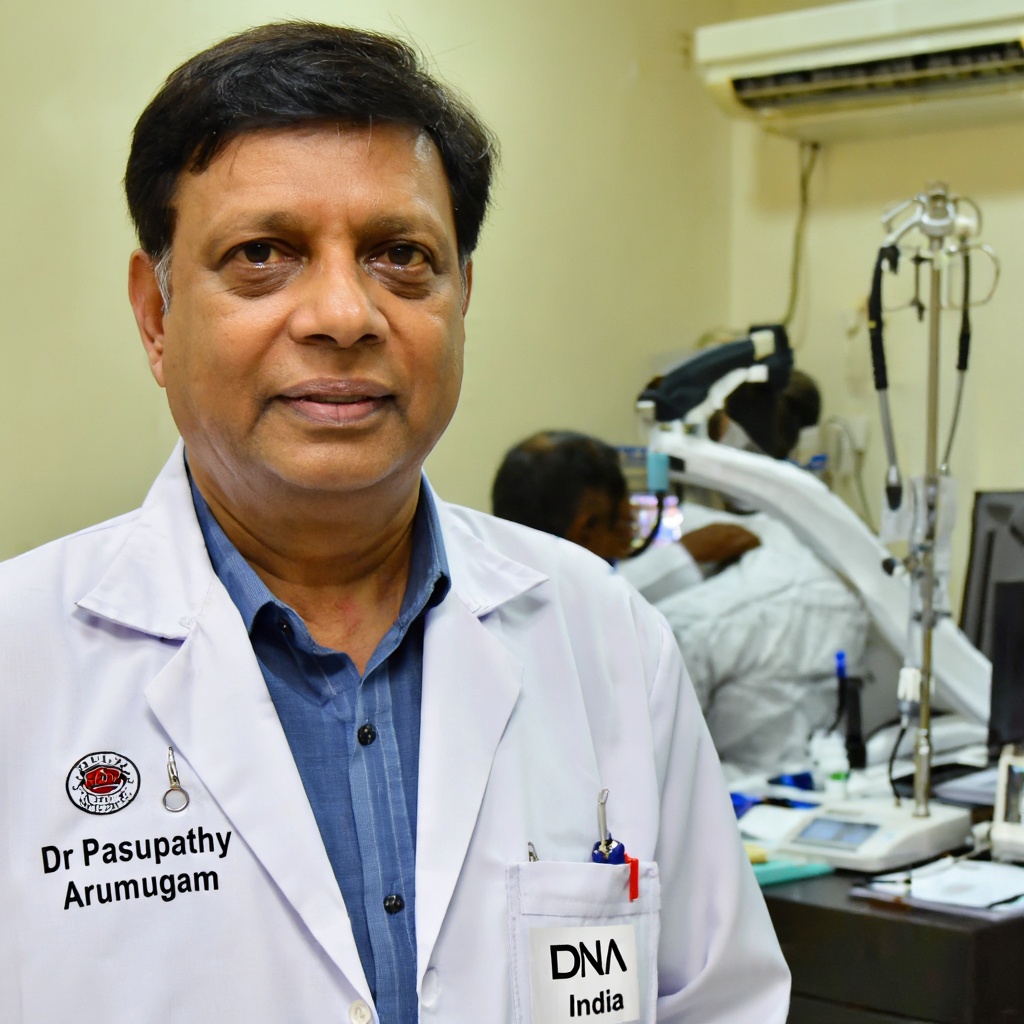
Dr Pasupathy Arumugam
Consultant Pathologist · Reg: 21521
Last reviewed: September 7, 2026
Overview
The purpose of this test is to confirm or rule out DiGeorge Syndrome by detecting the 22q11.2 deletion. It is also used to evaluate individuals with clinical features suggestive of the syndrome, such as congenital heart defects, palatal abnormalities, immune dysfunction, or hypocalcemia. Additionally, the test aids in genetic counseling for families with a history of the condition.
- Test Code
- 6088
- CPT Code
- 88230, 88271, 88275, 88291
- ICD Code
- D82.1 (DiGeorge syndrome)
- Price
- ₹8,250
- Sample Type
- Peripheral blood
- Result Time
- Reports are typically delivered within 10-12 days after the sample is received at the laboratory.
- Fasting Required
- No
- Method
- Cell Culture, FISH (Fluorescence In Situ Hybridization)
Sample Collection
No special preparation is required. However, a doctor's prescription is mandatory. Inform your healthcare provider about any medications or supplements you are taking.
Method: Venipuncture
Laboratory Analysis
A blood sample will be drawn from a vein in your arm. The procedure is quick and minimally invasive.
Report Delivery
You can resume normal activities immediately. There are no restrictions after the test.
Timeline: Reports are typically delivered within 10-12 days after the sample is received at the laboratory.
Patient Instructions
About This Test
Who Should Get This Test
The purpose of this test is to confirm or rule out DiGeorge Syndrome by detecting the 22q11.2 deletion. It is also used to evaluate individuals with clinical features suggestive of the syndrome, such as congenital heart defects, palatal abnormalities, immune dysfunction, or hypocalcemia. Additionally, the test aids in genetic counseling for families with a history of the condition.
How to Prepare
- Use sodium heparin vacutainer (2 ml)
- Store at ambient temperature or cool pack during transport
- Do not freeze the sample
- Ensure sample reaches the lab within 24 hours
Doctor's Notes
Reviewed by Dr Pasupathy Arumugam — MBBS, MD (Pathology) · Reg. No. 21521
"Early diagnosis of DiGeorge syndrome is crucial for managing cardiac, immune, and developmental issues. This combined karyotyping and FISH approach provides comprehensive chromosomal evaluation."
Last medically reviewed: September 7, 2026
Test Parameters & Specifications
Sample Stability
- Clotted or hemolyzed sample
- Incorrect anticoagulant (e.g., EDTA instead of heparin)
- Sample older than 72 hours
- Labeling errors or missing patient information
Understanding Your Results
Normal (no deletion)
No evidence of 22q11.2 deletion; DiGeorge syndrome is unlikely, but other genetic causes may be considered.
Deletion detected
Confirms the diagnosis of DiGeorge syndrome. Genetic counseling is recommended to discuss implications and recurrence risk.
Consult a doctor if you or your child experience symptoms such as heart defects, recurrent infections, developmental delays, or facial abnormalities. Early diagnosis can significantly improve management and outcomes.
Limitations
- ⚠Karyotyping cannot detect microdeletions smaller than 5-10 Mb; FISH is required for 22q11.2 deletion
- ⚠FISH only detects the specific 22q11.2 deletion, not other chromosomal abnormalities
- ⚠Rare atypical deletions may not be detected by standard FISH probes
- ⚠Test cannot predict the severity of symptoms or clinical outcome
Risks & Considerations
- ●Minimal risk of bleeding or bruising at the puncture site
- ●Rare risk of infection
- ●Fainting or dizziness during blood draw
Interfering Factors
- ●Maternal cell contamination in the sample
- ●Insufficient viable cells for culture
- ●Recent blood transfusion (may affect karyotyping)
- ●Heparin contamination or improper sample handling
Compare With Similar Tests
| Test | Di-George Syndrome (Karyotyping+FISH) | Chromosomal Microarray (CMA) | FISH only | Karyotyping only |
|---|---|---|---|---|
| Comparison | Di-George Syndrome (Karyotyping+FISH) | CMA can detect smaller deletions and duplications across the genome, but is more expensive and may not be covered by insurance. | FISH alone is faster and cheaper, but does not provide a full karyotype analysis for other chromosomal abnormalities. | Karyotyping is useful for large chromosomal abnormalities but cannot detect microdeletions like 22q11.2. |
Frequently Asked Questions
What is DiGeorge Syndrome?
What is the cost of the DiGeorge Syndrome (Karyotyping+FISH) test?
How is the test performed?
Is fasting required before the test?
How long does it take to get results?
Can this test be done during pregnancy?
Is home sample collection available?
What is the difference between karyotyping and FISH?
Who should get this test?
What does a positive result mean?
What does a negative result mean?
Is a doctor's prescription required?
Related Tests
Reference Laboratory Services
We serve as a reference laboratory for hospitals and clinics across India. Send samples from your facility with same-day pickup, priority processing, and results delivered through our online portal. Competitive institutional pricing available.
Your Data Privacy
Your medical data is protected under Indian law.
✓ Stored in India: All patient records are stored on servers located in India. No data is transferred outside the country.
✓ DPDP Act Compliant: Under the Digital Personal Data Protection Act 2023, you can request deletion of your records at any time by contacting support.
Book Your Test
Enter your details and we'll connect you within 15 minutes.