
EEF1A2 Gene Mental retardation, autosomal dominant type 38 NGS Genetic Test
Short Name: EEF1A2 Gene NGS Test
Also known as: EEF1A2 Gene Mutation Analysis, MRD38 Genetic Test, Autosomal Dominant Mental Retardation Type 38 NGS Panel
EEF1A2 Gene Mental retardation, autosomal dominant type 38 NGS Genetic Test test available at DNA Labs India for ₹20,000. Uses Next Generation Sequencing (NGS) on Blood / Extracted DNA / One Drop Blood on FTA Card samples. Results in Reports are typically available within 3 to 4 weeks after the sample reaches the laboratory.. Free home collection in 300+ cities across India.

🩺 Medically Reviewed By
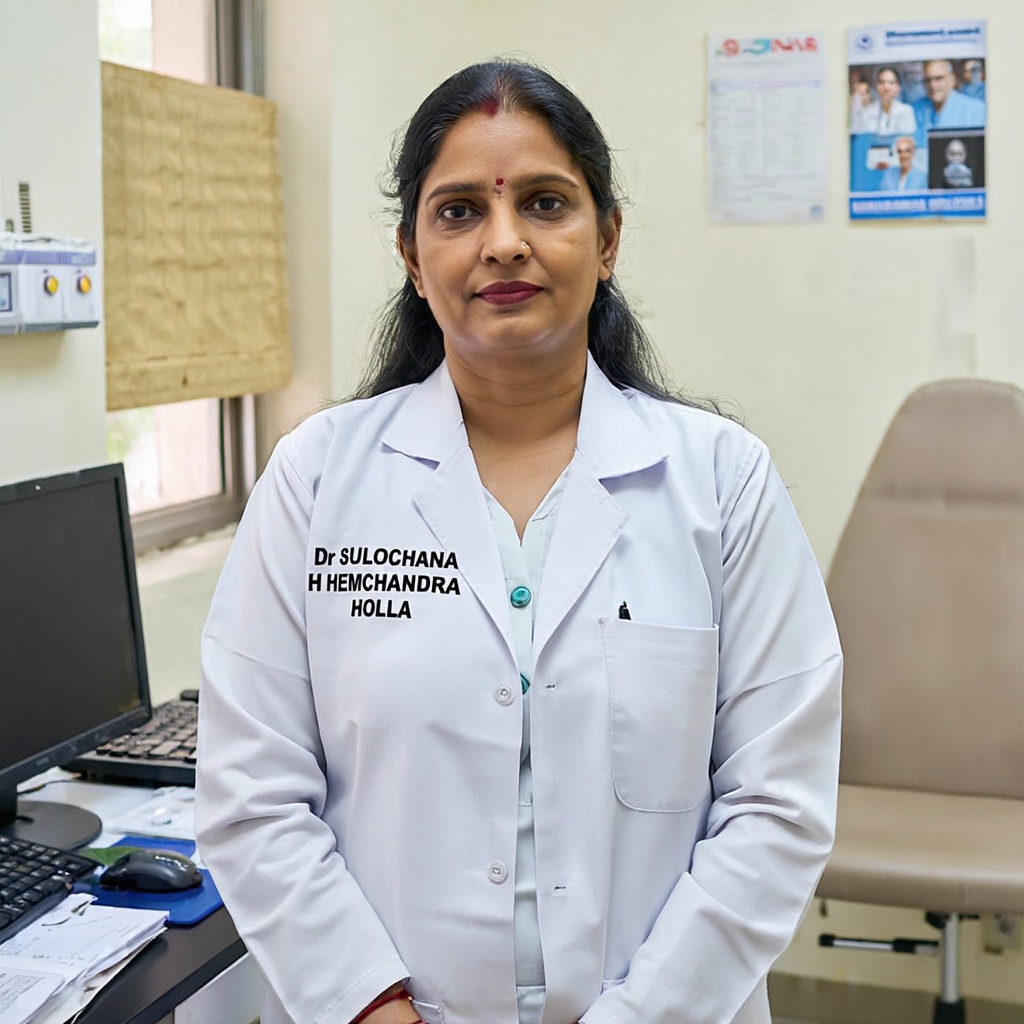
Dr SULOCHANA HEMCHANDRA HOLLA
Consultant Medical Geneticist · Reg: 8532
Last reviewed: September 7, 2026
Overview
To detect pathogenic mutations in the EEF1A2 gene associated with autosomal dominant mental retardation type 38 (MRD38) and to aid in the molecular confirmation of clinically suspected cases.
- Test Code
- 4246
- Price
- ₹20,000
- Sample Type
- Blood / Extracted DNA / One Drop Blood on FTA Card
- Result Time
- Reports are typically available within 3 to 4 weeks after the sample reaches the laboratory.
- Fasting Required
- No
- Method
- Next Generation Sequencing (NGS)
Sample Collection
A genetic counselling session is recommended before the test to draw a pedigree chart and evaluate family history. No special preparation such as fasting is required.
Method: Venipuncture or finger-prick (FTA card)
Laboratory Analysis
A trained phlebotomist will collect a blood sample from the arm. If an FTA card is used, a single drop of blood is collected via a finger-prick. The procedure is quick and safe.
Report Delivery
There are no specific precautions. The patient can resume normal activities immediately after sample collection.
Timeline: Reports are typically available within 3 to 4 weeks after the sample reaches the laboratory.
Patient Instructions
About This Test
Who Should Get This Test
To detect pathogenic mutations in the EEF1A2 gene associated with autosomal dominant mental retardation type 38 (MRD38) and to aid in the molecular confirmation of clinically suspected cases.
How to Prepare
- Online bookings include free home sample collection by a certified phlebotomist.
- Blood samples should be collected in an EDTA vacutainer.
- For FTA card collection, ensure the blood spot is air-dried completely before packaging.
- Samples must be labeled accurately with patient identification details.
- The sample should be transported to the lab within 24 hours if collected at home.
Doctor's Notes
Reviewed by Dr SULOCHANA HEMCHANDRA HOLLA — MBBS, MD (Medical Genetics) · Reg. No. 8532
"Early molecular diagnosis of EEF1A2-related intellectual disability through NGS testing provides a foundation for personalised management and family planning. As a gynaecologist, I often recommend this test in the context of unexplained intellectual disability in children, especially when there is a family history."
Last medically reviewed: September 7, 2026
Test Parameters & Specifications
Sample Stability
- Hemolyzed or clotted blood sample
- Incorrect sample labeling or mismatched requisition
- Sample in improper container (e.g., serum separator tube)
- DNA of insufficient quantity or quality
Understanding Your Results
Pathogenic variant detected
Confirms a molecular diagnosis of autosomal dominant mental retardation type 38 (MRD38).
Likely pathogenic variant detected
Suggests a strong likelihood of pathogenicity; clinical correlation and family studies may be recommended.
Variant of uncertain significance (VUS)
The variant is not fully understood; additional segregation analysis or functional studies may be required.
No pathogenic variant detected
No clinically significant mutation was identified in the EEF1A2 gene. This does not exclude other genetic or non-genetic causes.
If your child has unexplained intellectual disability, seizures, delayed speech, or behavioral issues, or if there is a known family history of MRD38, please consult a clinical geneticist or pediatric neurologist for a detailed evaluation.
Limitations
- ⚠NGS may not reliably detect large genomic rearrangements or structural variants involving deep intronic regions
- ⚠Variants of uncertain significance (VUS) may be reported and require further family studies
- ⚠This test does not rule out other genetic causes of intellectual disability
- ⚠Results should be interpreted in the context of clinical findings and family history
Risks & Considerations
- ●Minimal pain, bruising, or bleeding at the venipuncture site
- ●Very low risk of infection
Interfering Factors
- ●Maternal cell contamination in sample
- ●Low DNA quantity or degraded DNA
- ●Mutations outside the covered target regions
- ●Concurrent hematological conditions causing PCR inhibition
Frequently Asked Questions
What is the EEF1A2 gene?
What is autosomal dominant mental retardation type 38 (MRD38)?
What are the symptoms of MRD38?
How is MRD38 diagnosed?
Why is NGS used for this genetic test?
What is the cost of the EEF1A2 gene NGS test at DNA Labs India?
What sample is required for the test?
How long will it take to get the results?
Is a genetic counselling session necessary before the test?
What does a positive test result mean?
Can the test detect all types of EEF1A2 mutations?
Is this test suitable for prenatal diagnosis?
Related Tests
KCTD3 Gene Neurodevelopmental disorder, KCTD3 related NGS Genetic Test
₹20,000CNTNAP4 Gene Neurodevelopmental disorder, CNTNAP4 related NGS Genetic Test
₹20,000MACF1 Gene Neurodevelopmental disorder, MACF1 related NGS Genetic Test
₹20,000AHNAK2 Gene Autism Spectrum Disorder NGS Genetic Test
₹20,000CROCC Gene Neurodevelopmental disorder, CROCC related NGS Genetic Test
₹20,000ATP1B4 Gene Autism, ATP1B4 Related NGS Genetic Test
₹20,000Reference Laboratory Services
We serve as a reference laboratory for hospitals and clinics across India. Send samples from your facility with same-day pickup, priority processing, and results delivered through our online portal. Competitive institutional pricing available.
Your Data Privacy
Your medical data is protected under Indian law.
✓ Stored in India: All patient records are stored on servers located in India. No data is transferred outside the country.
✓ DPDP Act Compliant: Under the Digital Personal Data Protection Act 2023, you can request deletion of your records at any time by contacting support.
Book Your Test
Enter your details and we'll connect you within 15 minutes.