
FISH - inv(16) or LSI CBFB Test
Short Name: FISH inv(16) CBFB
Also known as: FISH for inv(16)(p13.1q22), CBFB Rearrangement FISH Test, CBFB-MYH11 FISH Test, Chromosome 16 Inversion FISH, Core Binding Factor AML FISH Panel
FISH - inv(16) or LSI CBFB Test test available at DNA Labs India for ₹6,000. Uses FISH (Fluorescence In Situ Hybridization), LSI (Locus-Specific Identifier) CBFB Dual-Color Break-Apart Rearrangement Probe on Whole Blood or Bone Marrow Aspirate samples. Results in Reports are available within 4 working days from sample receipt at the laboratory. Sample collection is processed daily if received by 4:00 PM.. Free home collection in 300+ cities across India.

🩺 Medically Reviewed By
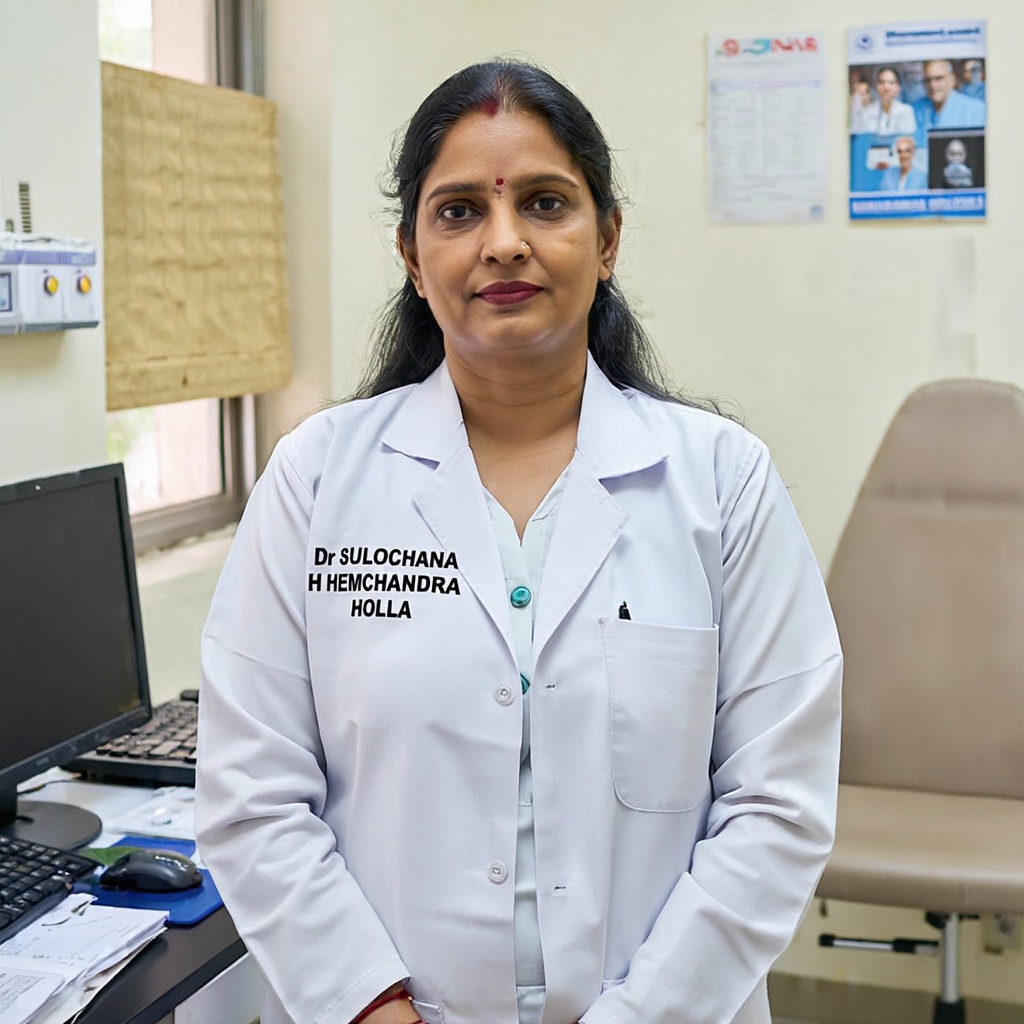
Dr SULOCHANA HEMCHANDRA HOLLA
Consultant Medical Geneticist · Reg: 8532
Last reviewed: September 7, 2026
Overview
The primary purpose of the FISH - inv(16) or LSI CBFB Test is to detect the presence of the inv(16)(p13.1q22) chromosomal abnormality and the resulting CBFB-MYH11 gene fusion in patients with suspected or confirmed acute myeloid leukemia. This test helps establish an accurate cytogenetic diagnosis, assign proper ELN risk stratification (favourable risk), guide appropriate treatment planning, and monitor response to therapy and detect minimal residual disease.
- Test Code
- 588
- CPT Code
- 88271, 88275
- ICD Code
- C92.0
- Price
- ₹6,000
- Sample Type
- Whole Blood or Bone Marrow Aspirate
- Result Time
- Reports are available within 4 working days from sample receipt at the laboratory. Sample collection is processed daily if received by 4:00 PM.
- Fasting Required
- No
- Method
- FISH (Fluorescence In Situ Hybridization), LSI (Locus-Specific Identifier) CBFB Dual-Color Break-Apart Rearrangement Probe
Sample Collection
No specific fasting or dietary restrictions are required. A duly filled Chromosome & FISH Analysis Requisition Form (Form 17) is mandatory. Inform your physician about any recent chemotherapy or blood transfusions, as these may affect sample quality. Carry previous medical records, pathology reports, and prescription information.
Method: Venipuncture (Blood) / Bone Marrow Aspiration Procedure
Laboratory Analysis
For blood sample: A standard venipuncture will be performed to collect approximately 5 mL of whole blood into two Sodium Heparin (Green Top) tubes. For bone marrow sample: An aspiration procedure will collect approximately 2-4 mL of bone marrow into Sodium Heparin tubes. The collection is performed by a trained phlebotomist or medical professional. Minor discomfort or bruising at the collection site may occur.
Report Delivery
Apply gentle pressure to the puncture site for 3-5 minutes. Avoid heavy lifting with the affected arm for a few hours. The sample is shipped at 18-22°C and must not be frozen. Results are typically available within 4 working days and will be delivered via online portal, email, or WhatsApp.
Timeline: Reports are available within 4 working days from sample receipt at the laboratory. Sample collection is processed daily if received by 4:00 PM.
Patient Instructions
About This Test
Who Should Get This Test
The primary purpose of the FISH - inv(16) or LSI CBFB Test is to detect the presence of the inv(16)(p13.1q22) chromosomal abnormality and the resulting CBFB-MYH11 gene fusion in patients with suspected or confirmed acute myeloid leukemia. This test helps establish an accurate cytogenetic diagnosis, assign proper ELN risk stratification (favourable risk), guide appropriate treatment planning, and monitor response to therapy and detect minimal residual disease.
How to Prepare
- Duly filled Chromosome & FISH Analysis Requisition Form (Form 17) is mandatory
- Collect in Sodium Heparin (Green Top) tubes only – do not use EDTA tubes
- 5 mL (3 mL min.) whole blood OR 4 mL (2 mL min.) bone marrow aspirate required
- Use 2 Green Top (Sodium Heparin) tubes for the sample
- Ship the sample at 18-22°C – DO NOT FREEZE
- Ensure sample reaches the laboratory within 24-48 hours of collection
- Label tubes clearly with patient name, date of birth, and sample type
Doctor's Notes
Reviewed by Dr SULOCHANA HEMCHANDRA HOLLA — MBBS, MD (Medical Genetics) · Reg. No. 8532
"The inv(16)(p13.1q22) is a core-binding factor (CBF) cytogenetic abnormality found in approximately 5-8% of adult AML cases. Detection of this abnormality via FISH is essential because it classifies the patient into the favourable-risk category per ELN 2022 guidelines, directly influencing treatment decisions including the use of high-dose cytarabine-based consolidation regimens. Early and accurate detection of CBFB-MYH11 rearrangement helps oncologists plan appropriate therapy intensity and monitor treatment response effectively."
Last medically reviewed: September 7, 2026
Test Parameters & Specifications
Sample Stability
- Sample collected in EDTA tubes instead of Sodium Heparin tubes
- Frozen or haemolysed sample
- Sample received without the mandatory Chromosome & FISH Analysis Requisition Form (Form 17)
- Sample stored beyond 48 hours at room temperature
- Insufficient sample volume (less than minimum required)
- Unlabelled or mislabelled samples
Understanding Your Results
Positive for inv(16) / CBFB Rearrangement
Favourable prognosis. Guides treatment with cytarabine-based regimens. Monitors minimal residual disease during follow-up.
Negative for inv(16) / No CBFB Rearrangement Detected
Absence of inv(16) does not rule out AML. Correlate with full cytogenetic panel, morphological findings, and clinical presentation.
Inconclusive / Insufficient Metaphases
Repeat testing with a fresh sample recommended. Discuss with treating haematologist/oncologist regarding timing.
Consult your haematologist or oncologist if you experience persistent fatigue, unexplained weight loss, frequent infections, easy bruising or bleeding, shortness of breath, or bone pain. If your FISH inv(16)/CBFB test result is positive, discuss treatment options including chemotherapy regimens and potential stem cell transplant candidacy with your oncologist. If the result is negative but clinical suspicion for AML remains, your doctor may recommend additional cytogenetic, molecular, or bone marrow evaluation.
Limitations
- ⚠FISH detects the disruption of the CBFB locus but does not definitively identify the fusion partner gene unless a specific CBFB-MYH11 dual-fusion probe is used
- ⚠Cryptic rearrangements not involving the CBFB probe target region may not be detected
- ⚠FISH does not replace comprehensive cytogenetic analysis; it should be used alongside conventional karyotyping and molecular testing for complete risk assessment
- ⚠Low-level residual disease below the analytical sensitivity threshold (typically <1-5%) may not be detected
- ⚠This test does not detect other AML-associated abnormalities such as t(8;21), PML-RARA, or FLT3/NPM1 mutations; a comprehensive panel should be ordered when indicated
Risks & Considerations
- ●Blood collection: Minor bruising, discomfort, or lightheadedness at the venipuncture site – typically resolves within hours
- ●Bone marrow aspiration: Local pain at the aspiration site, minor bleeding, or infection at the procedure site (rare with standard sterile technique)
- ●No radiation exposure is associated with this test
- ●FISH testing itself poses no physical risk to the patient
Interfering Factors
- ●Sample collected in incorrect anticoagulant (EDTA instead of Sodium Heparin) may compromise FISH signal quality
- ●Excessive sample storage beyond 48 hours at room temperature may degrade nuclei morphology
- ●Heavily necrotic or insufficient bone marrow samples may yield false-negative results
- ●Prior chemotherapy within 48-72 hours of sample collection may reduce the percentage of abnormal cells detectable
- ●Freezing the sample prior to processing is not acceptable and will invalidate results
Compare With Similar Tests
| Test | FISH - inv(16) or LSI CBFB Test | Conventional Karyotyping (G-Banding) | RT-PCR for CBFB-MYH11 | NGS-Based Comprehensive AML Panel |
|---|---|---|---|---|
| Comparison | FISH - inv(16) or LSI CBFB Test | Karyotyping analyses the entire chromosome complement and can detect large structural and numerical abnormalities. However, it may miss subtle inversions like inv(16) that are cytogenetically cryptic. FISH for inv(16) offers higher sensitivity for detecting this specific abnormality. | RT-PCR is a molecular technique that detects the CBFB-MYH11 fusion transcript at the RNA level. It is more sensitive than FISH for minimal residual disease detection (sensitivity ~10⁻⁴ to 10⁻⁵). FISH is faster and does not require RNA extraction, making it suitable for initial screening. | Next-generation sequencing panels can simultaneously detect multiple gene mutations (FLT3, NPM1, CEBPA, KIT, etc.) alongside fusion genes. While broader in scope, NGS may have longer turnaround times and higher costs compared to targeted FISH for inv(16). |
Frequently Asked Questions
What is the FISH inv(16) / LSI CBFB Test?
Why is this test recommended for AML patients?
What sample is required for the FISH inv(16) test?
Is fasting required before this test?
How long does it take to get the results?
What does a positive FISH inv(16) result mean?
What does a negative result mean?
What is the cost of the FISH inv(16) / LSI CBFB Test at DNA Labs India?
Is home sample collection available for this test?
How is FISH different from conventional karyotyping for detecting inv(16)?
Can this test be used to monitor treatment response in AML?
Do I need a doctor's prescription to book this test?
Related Tests
Reference Laboratory Services
We serve as a reference laboratory for hospitals and clinics across India. Send samples from your facility with same-day pickup, priority processing, and results delivered through our online portal. Competitive institutional pricing available.
Your Data Privacy
Your medical data is protected under Indian law.
✓ Stored in India: All patient records are stored on servers located in India. No data is transferred outside the country.
✓ DPDP Act Compliant: Under the Digital Personal Data Protection Act 2023, you can request deletion of your records at any time by contacting support.
Book Your Test
Enter your details and we'll connect you within 15 minutes.