
FISH - Prenatal Comprehensive Screening Panel 1 Test
Short Name: FISH Prenatal Panel 1 Test
Also known as: Prenatal FISH Panel 1, Comprehensive Prenatal FISH Screening
FISH - Prenatal Comprehensive Screening Panel 1 Test test available at DNA Labs India for ₹14,000. Uses FISH (Fluorescence In Situ Hybridization) on Amniotic fluid samples. Results in Report available within 4 days after sample receipt at the laboratory.. Free home collection in 300+ cities across India.

🩺 Medically Reviewed By
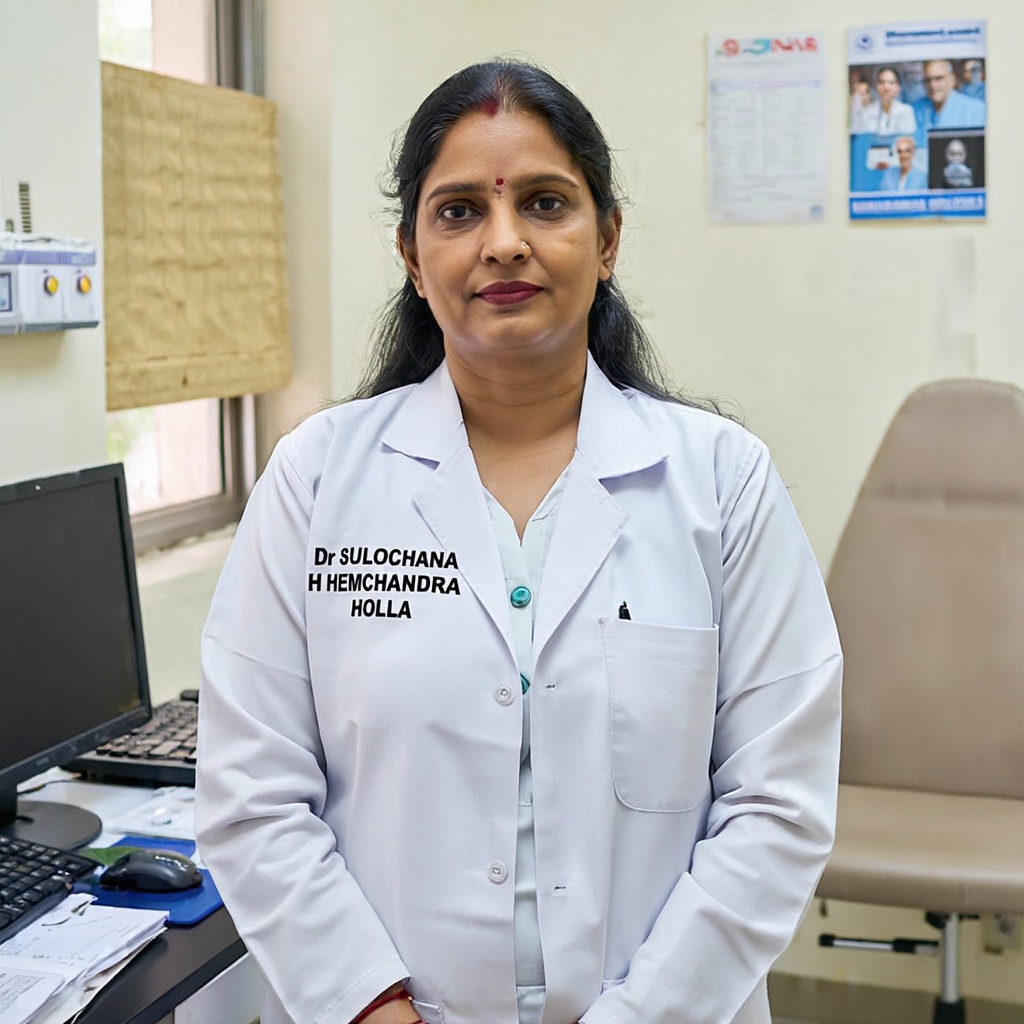
Dr SULOCHANA HEMCHANDRA HOLLA
Consultant Medical Geneticist · Reg: 8532
Last reviewed: September 7, 2026
Overview
To detect aneuploidy for Trisomy 13, 18, 21, and sex chromosomes, as well as microdeletions for DiGeorge syndrome, Prader-Willi syndrome, and Williams syndrome, providing critical information for prenatal care.
- Test Code
- 597
- Price
- ₹14,000
- Sample Type
- Amniotic fluid
- Result Time
- Report available within 4 days after sample receipt at the laboratory.
- Fasting Required
- No
- Method
- FISH (Fluorescence In Situ Hybridization)
Sample Collection
Patient must be at least 15 weeks pregnant. Discuss risks and benefits with healthcare provider. Sign the mandatory Prenatal Genetic Testing Consent Form (Form 18) and Chromosome & FISH analysis Requisition Form (Form 17).
Method: Amniocentesis or Chorionic Villus Sampling (CVS)
Laboratory Analysis
Amniocentesis or CVS is performed under ultrasound guidance. Sample is collected into a sterile screw-capped container.
Report Delivery
Monitor for any complications such as cramping or leakage. Rest as advised. Ensure sample is shipped at 18-22°C to the laboratory.
Timeline: Report available within 4 days after sample receipt at the laboratory.
Patient Instructions
About This Test
Who Should Get This Test
To detect aneuploidy for Trisomy 13, 18, 21, and sex chromosomes, as well as microdeletions for DiGeorge syndrome, Prader-Willi syndrome, and Williams syndrome, providing critical information for prenatal care.
How to Prepare
- Sample must be taken after 15 weeks of gestation.
- Use a sterile screw-capped container for amniotic fluid.
- Ship at room temperature (18-22°C); do not freeze.
- Duly filled Prenatal Genetic Testing Consent Form (Form 18) & Chromosome & FISH analysis Requisition Form (Form 17) is mandatory.
Doctor's Notes
Reviewed by Dr SULOCHANA HEMCHANDRA HOLLA — MBBS, MD (Medical Genetics) · Reg. No. 8532
"This test is crucial for early detection of chromosomal abnormalities, helping parents make informed decisions about pregnancy management and care."
Last medically reviewed: September 7, 2026
Test Parameters & Specifications
Sample Stability
- Insufficient sample volume (less than 7 mL)
- Improper or non-sterile container
- Missing or incomplete consent forms
- Sample frozen or exposed to extreme temperatures
Understanding Your Results
Immediately consult a healthcare provider or genetic counselor upon receiving abnormal or inconclusive results for comprehensive management options.
Limitations
- ⚠Cannot detect all chromosomal abnormalities or genetic disorders
- ⚠False positives or false negatives may occur
- ⚠Does not replace comprehensive karyotyping for detailed analysis
- ⚠Screening test that may require confirmatory diagnostics
Risks & Considerations
- ●Small risk of miscarriage associated with amniocentesis (approximately 0.1-0.3%)
- ●Potential for infection at the collection site
- ●Leakage of amniotic fluid
- ●Mild cramping or discomfort post-procedure
Interfering Factors
- ●Sample contamination during collection or transport
- ●Insufficient fetal cells in the sample
- ●Incorrect gestational age affecting cell viability
- ●Improper sample handling or storage conditions
Compare With Similar Tests
| Test | FISH - Prenatal Comprehensive Screening Panel 1 Test | NIPT (Non-Invasive Prenatal Testing) | Karyotyping - Prenatal | Chromosomal Microarray Analysis |
|---|---|---|---|---|
| Comparison | FISH - Prenatal Comprehensive Screening Panel 1 Test |
Frequently Asked Questions
What is the FISH Prenatal Comprehensive Screening Panel 1 Test?
Who should consider taking this test?
How is the sample collected for this test?
What specific abnormalities does this test detect?
What is the cost of the FISH Prenatal Comprehensive Screening Panel 1 Test in India?
How long does it take to get the test results?
Are there any risks associated with this test?
How accurate is the FISH Prenatal Screening Panel 1 Test?
Can this test be done at home?
What is the difference between FISH and karyotyping?
What should I do if the test results are abnormal?
Is the FISH Prenatal Screening Panel 1 Test covered by insurance?
Related Tests
Reference Laboratory Services
We serve as a reference laboratory for hospitals and clinics across India. Send samples from your facility with same-day pickup, priority processing, and results delivered through our online portal. Competitive institutional pricing available.
Your Data Privacy
Your medical data is protected under Indian law.
✓ Stored in India: All patient records are stored on servers located in India. No data is transferred outside the country.
✓ DPDP Act Compliant: Under the Digital Personal Data Protection Act 2023, you can request deletion of your records at any time by contacting support.
Book Your Test
Enter your details and we'll connect you within 15 minutes.