
Neisseria Gonorrhoea Qualitative PCR Test
Short Name: NG PCR Test
Also known as: Gonorrhoea PCR Test, N. gonorrhoeae Qualitative PCR, Gonorrhoea NAAT Test, GC PCR Test, Gonococcal DNA Detection Test
Neisseria Gonorrhoea Qualitative PCR Test test available at DNA Labs India for ₹5,000. Uses Real-Time Polymerase Chain Reaction (RT-PCR), Nucleic Acid Amplification Test (NAAT) on First morning urine OR Vaginal / Endocervical Swab samples. Results in Sample accepted daily by 11:00 AM. Report available the next business day (approximately 24 hours from sample receipt).. Free home collection in 300+ cities across India.

🩺 Medically Reviewed By
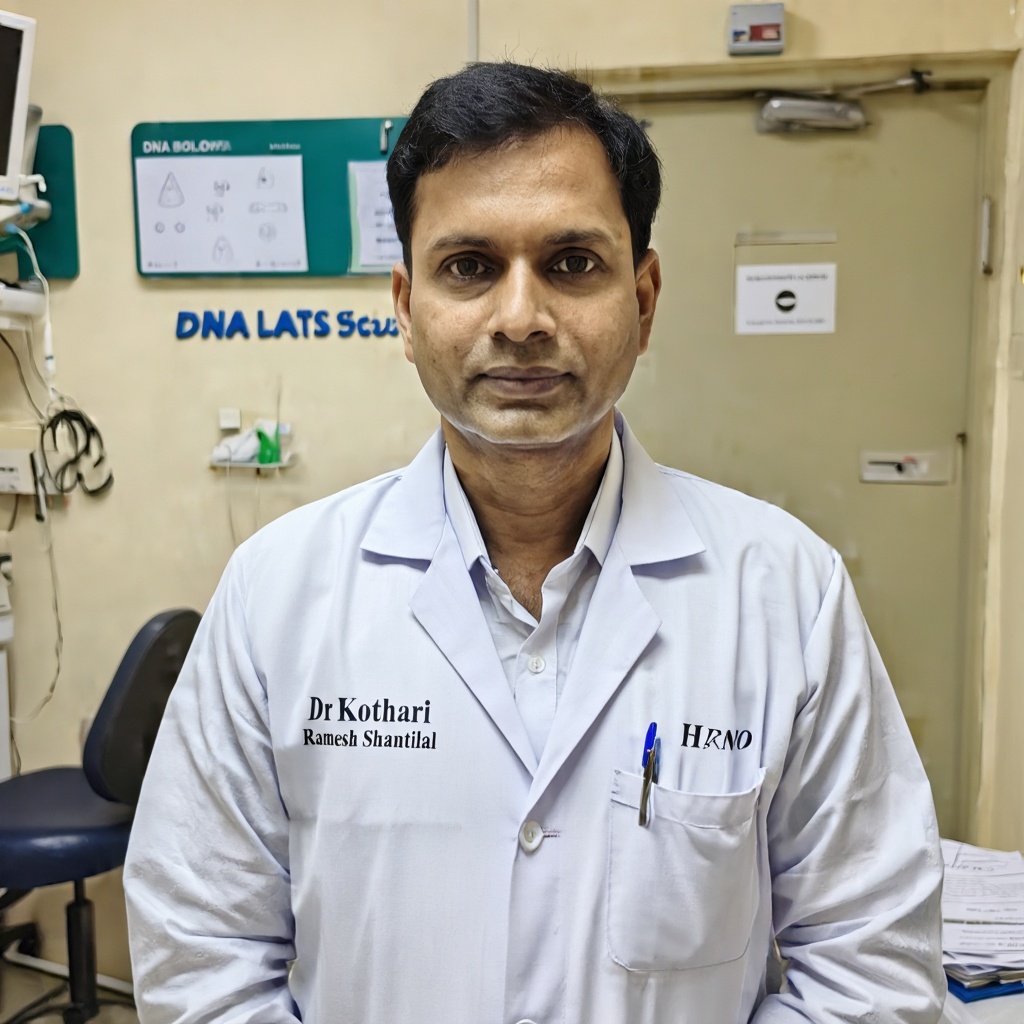
Dr Kothari Ramesh Shantilal
Consultant Microbiologist · Reg: 27670
Last reviewed: September 7, 2026
Overview
The primary purpose of the Neisseria Gonorrhoea Qualitative PCR Test is to accurately and rapidly detect the presence of Neisseria gonorrhoeae DNA in clinical specimens, confirming or ruling out active gonococcal infection. This test is used for initial diagnosis in symptomatic patients, screening of asymptomatic individuals at risk, confirming eradication of infection following treatment (test-of-cure), and for contact tracing in sexual partners of confirmed cases. Its high sensitivity allows for detection from non-invasive sample types such as urine, making it suitable for widespread population screening.
- Test Code
- 1295
- CPT Code
- 87591
- ICD Code
- A54
- Price
- ₹5,000
- Sample Type
- First morning urine OR Vaginal / Endocervical Swab
- Result Time
- Sample accepted daily by 11:00 AM. Report available the next business day (approximately 24 hours from sample receipt).
- Fasting Required
- No
- Method
- Real-Time Polymerase Chain Reaction (RT-PCR), Nucleic Acid Amplification Test (NAAT)
Sample Collection
Patients should not urinate for at least one hour before providing a first-morning urine sample. Avoid use of vaginal douches, creams, or antimicrobial agents for 24 hours before specimen collection. No fasting is required. Inform your healthcare provider about any antibiotics currently being taken.
Method: Patient-collected first-morning urine or clinician-collected swab
Laboratory Analysis
For urine: Collect the first stream of the first-morning void (approximately 15–30 mL) into a sterile screw-capped container without interrupting the flow. For swabs: A healthcare professional will collect the vaginal or endocervical swab using a sterile nylon or Dacron swab following standard clinical procedure.
Report Delivery
Label the specimen container clearly with patient name, date, and time of collection. Store the specimen refrigerated (2–8°C) and transport to the laboratory within the specified stability period. Do not freeze the sample. Results are typically available within 24 hours of laboratory receipt.
Timeline: Sample accepted daily by 11:00 AM. Report available the next business day (approximately 24 hours from sample receipt).
Patient Instructions
About This Test
Who Should Get This Test
The primary purpose of the Neisseria Gonorrhoea Qualitative PCR Test is to accurately and rapidly detect the presence of Neisseria gonorrhoeae DNA in clinical specimens, confirming or ruling out active gonococcal infection. This test is used for initial diagnosis in symptomatic patients, screening of asymptomatic individuals at risk, confirming eradication of infection following treatment (test-of-cure), and for contact tracing in sexual partners of confirmed cases. Its high sensitivity allows for detection from non-invasive sample types such as urine, making it suitable for widespread population screening.
How to Prepare
- Use a sterile, screw-capped container provided by the laboratory for urine specimens
- Collect the first stream of the first-morning urine (first 15–30 mL)
- Do not urinate for at least one hour before specimen collection
- For swab collection, avoid douches and vaginal creams for 24 hours prior
- Ship specimen refrigerated (2–8°C); do not freeze
- Ensure all containers are clearly labelled with patient identification details
Doctor's Notes
Reviewed by Dr Kothari Ramesh Shantilal — MBBS, MD (Microbiology) · Reg. No. 27670
"Gonorrhoea remains one of the most prevalent sexually transmitted infections globally, and rising antimicrobial resistance makes early and accurate detection critical. The Neisseria Gonorrhoea Qualitative PCR test offers significantly higher sensitivity and specificity compared to traditional culture methods, detecting even low bacterial loads from non-invasive specimens such as first-morning urine. I recommend this test for any sexually active individual presenting with urethral, vaginal, pharyngeal, or rectal symptoms suggestive of gonococcal infection, as well as for asymptomatic individuals with known exposure. Early detection through PCR-based testing enables timely targeted antibiotic therapy, reduces the risk of complications such as pelvic inflammatory disease and infertility, and helps limit onward transmission. Patients testing positive should be co-tested for Chlamydia trachomatis and other STIs."
Last medically reviewed: September 7, 2026
Test Parameters & Specifications
Sample Stability
- Specimen received at room temperature or frozen
- Container leaking or unlabelled
- Specimen collected after the 7-day refrigerated stability window
- Non-sterile container used for urine collection
- Specimen contaminated with visible debris or foreign material
Understanding Your Results
Detected
Neisseria gonorrhoeae DNA was identified in the specimen, confirming active gonococcal infection. The patient should be promptly treated with appropriate antibiotics as prescribed by the attending physician. Co-testing for Chlamydia trachomatis and other STIs is recommended. Sexual partners should be notified, tested, and treated.
Status: Abnormal
Not Detected
Neisseria gonorrhoeae DNA was not found in the submitted specimen. If clinical symptoms persist or there is a strong epidemiological suspicion of infection, repeat testing with a fresh specimen or alternative specimen types may be considered. A negative result within 7 days of exposure may require repeat testing.
Status: Normal
Consult your doctor if you experience any symptoms such as painful urination, unusual genital or rectal discharge, pelvic or testicular pain, or sore throat following sexual contact. You should also consult a physician if you have been in sexual contact with a partner diagnosed with gonorrhoea, even if you have no symptoms. If your PCR result is positive, seek immediate medical consultation for antibiotic treatment and partner notification. If your result is negative but symptoms persist, discuss repeat testing or alternative diagnoses with your healthcare provider.
Limitations
- ⚠This is a qualitative test; it does not quantify bacterial load
- ⚠A negative result does not completely exclude infection if the specimen was collected too early in the incubation period (less than 7 days post-exposure)
- ⚠PCR detects DNA and cannot distinguish between viable and non-viable organisms; positive results may persist briefly after successful treatment
- ⚠This test does not provide antibiotic susceptibility data; culture is required for antimicrobial resistance profiling
- ⚠Cross-reactivity with closely related Neisseria species is minimized by target-specific primers but cannot be entirely excluded
Risks & Considerations
- ●No medical risk from urine specimen collection
- ●Mild, transient discomfort may occur during vaginal or cervical swab collection
- ●Very slight risk of specimen contamination during collection if proper technique is not followed
Interfering Factors
- ●Specimen collected during menstruation may affect vaginal/endocervical swab results
- ●Recent use of antibiotics may suppress bacterial load and reduce detection
- ●Specimen contamination or improper collection technique may yield false results
- ●Urine specimens collected more than one hour after the first void of the day may have reduced sensitivity
- ●Use of vaginal douches, lubricants, or antimicrobial agents prior to swab collection
Compare With Similar Tests
| Test | Neisseria Gonorrhoea Qualitative PCR Test | Gonorrhoea Culture | Gram Stain (Urethral Smear) | Rapid Antigen Test |
|---|---|---|---|---|
| Comparison | Neisseria Gonorrhoea Qualitative PCR Test |
Frequently Asked Questions
What is the Neisseria Gonorrhoea Qualitative PCR Test?
How much does the Neisseria Gonorrhoea Qualitative PCR Test cost in India?
What sample types are accepted for this test?
How accurate is the PCR test for detecting gonorrhoea?
How soon can I get my test results?
Is the test painful?
Can this test detect gonorrhoea if I have no symptoms?
When should I get tested after a potential exposure?
Does a negative result completely rule out gonorrhoea?
Is home sample collection available for this test?
What should I do if my test result is positive?
Can I get this test if I am on antibiotics?
Related Tests
Reference Laboratory Services
We serve as a reference laboratory for hospitals and clinics across India. Send samples from your facility with same-day pickup, priority processing, and results delivered through our online portal. Competitive institutional pricing available.
Your Data Privacy
Your medical data is protected under Indian law.
✓ Stored in India: All patient records are stored on servers located in India. No data is transferred outside the country.
✓ DPDP Act Compliant: Under the Digital Personal Data Protection Act 2023, you can request deletion of your records at any time by contacting support.
Book Your Test
Enter your details and we'll connect you within 15 minutes.