
NSUN2 Gene Mental retardation, autosomal recessive type 5 NGS Genetic Test
Short Name: NSUN2 Gene NGS
Also known as: NSUN2 gene sequencing test, MRT5 genetic test, NSUN2 NGS test for intellectual disability, Autosomal recessive mental retardation type 5 genetic test
NSUN2 Gene Mental retardation, autosomal recessive type 5 NGS Genetic Test test available at DNA Labs India for ₹20,000. Uses Next-Generation Sequencing (NGS) on Blood or Extracted DNA or One drop Blood on FTA Card samples. Results in Reports are generally available within 3 to 4 weeks after the sample is received. Additional time may be required if variant confirmation by an alternative method is necessary.. Free home collection in 300+ cities across India.

🩺 Medically Reviewed By
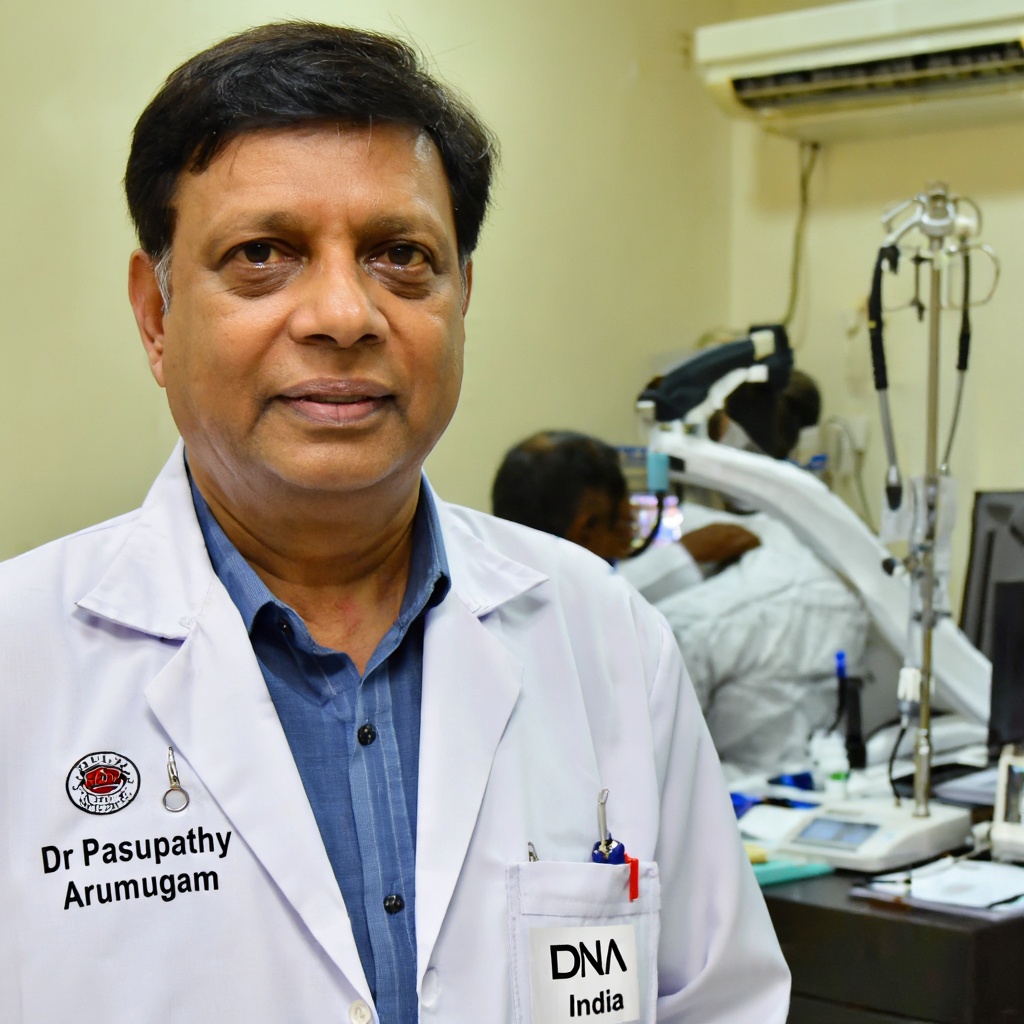
Dr Pasupathy Arumugam
Consultant Pathologist · Reg: 21521
Last reviewed: September 7, 2026
Overview
The primary purpose of this NGS genetic test is to detect pathogenic or likely pathogenic variants in the NSUN2 gene in individuals with clinical features suggestive of NSUN2-associated autosomal recessive intellectual disability type 5. The test is also useful for carrier testing in at-risk family members when a pathogenic NSUN2 variant has already been identified in the family. NGS allows targeted analysis of the NSUN2 gene and provides information that can be correlated with clinical findings for diagnosis, prognosis, and reproductive risk counselling.
- Test Code
- 4273
- Price
- ₹20,000
- Sample Type
- Blood or Extracted DNA or One drop Blood on FTA Card
- Result Time
- Reports are generally available within 3 to 4 weeks after the sample is received. Additional time may be required if variant confirmation by an alternative method is necessary.
- Fasting Required
- No
- Method
- Next-Generation Sequencing (NGS)
Sample Collection
No special preparation or fasting is required. Please carry a valid government ID and any previous medical, developmental, or genetic reports. A genetic counselling session is recommended to document family history and draw a pedigree chart of family members affected with NSUN2-related intellectual disability.
Method: Peripheral blood draw / dried blood spot on FTA card / submitted extracted DNA
Laboratory Analysis
A trained phlebotomist will collect venous blood. If an FTA card is being used, one drop of blood is applied to the card. The procedure is quick and minimally invasive.
Report Delivery
You can resume normal activities immediately. The sample will be transported to the DNA Labs India facility for NGS analysis. The clinical report will usually be available within 3 to 4 weeks.
Timeline: Reports are generally available within 3 to 4 weeks after the sample is received. Additional time may be required if variant confirmation by an alternative method is necessary.
Patient Instructions
About This Test
Who Should Get This Test
The primary purpose of this NGS genetic test is to detect pathogenic or likely pathogenic variants in the NSUN2 gene in individuals with clinical features suggestive of NSUN2-associated autosomal recessive intellectual disability type 5. The test is also useful for carrier testing in at-risk family members when a pathogenic NSUN2 variant has already been identified in the family. NGS allows targeted analysis of the NSUN2 gene and provides information that can be correlated with clinical findings for diagnosis, prognosis, and reproductive risk counselling.
How to Prepare
- No fasting is required
- Use an EDTA vacutainer for whole blood collection
- For FTA card, allow the blood spot to air-dry completely before sealing
- Label the sample with patient name, date of birth, and date of collection
- Transport the sample at ambient temperature unless otherwise instructed by the laboratory
Doctor's Notes
Reviewed by Dr Pasupathy Arumugam — MBBS, MD (Pathology) · Reg. No. 21521
"A definitive molecular diagnosis helps a family understand the cause of intellectual disability and enables more accurate recurrence-risk counselling. NGS results should always be interpreted with the clinical findings and a three-generation family pedigree."
Last medically reviewed: September 7, 2026
Test Parameters & Specifications
Sample Stability
- Incorrectly labelled sample or requisition form
- Clotted, severely haemolysed, or insufficient blood sample
- Wet or damaged FTA card
- Sample received without proper patient identification or clinical indication
- Sample transported under inappropriate temperature conditions
Understanding Your Results
Consult a paediatrician, neurologist, or medical geneticist if a child has developmental delay, delayed speech or language, poor motor coordination, seizures, or a family history of intellectual disability. If an NSUN2 pathogenic variant is identified, genetic counselling should be arranged for the family to understand recurrence risks and testing options.
Limitations
- ⚠NGS may not detect large deletions/duplications, repeat expansions, uniparental disomy, or methylation abnormalities
- ⚠A variant of uncertain significance (VUS) may be reported and may require additional family segregation studies
- ⚠A negative result reduces but does not exclude the possibility of NSUN2-related disease or other genetic causes of intellectual disability
- ⚠This test should be interpreted in the context of clinical evaluation and by a qualified medical geneticist or neurologist
- ⚠Pre- and post-test genetic counselling is recommended for all individuals undergoing this test
Risks & Considerations
- ●Minor pain, bruising, or bleeding at the blood collection site
- ●Dizziness or fainting during venepuncture
- ●Emotional distress associated with genetic test results
- ●Possibility of receiving a variant of uncertain significance
Interfering Factors
- ●Allogeneic bone marrow stem cell transplant can cause haematopoietic chimerism and affect blood-based DNA results
- ●Maternal cell contamination in neonatal blood samples can mask the child's true genotype
- ●Low DNA quantity or degraded DNA can compromise sequencing quality
- ●Very low-level somatic mosaicism may not be detected by standard NGS
- ●Variants located outside the covered coding or splice-site regions may not be identified
Compare With Similar Tests
| Test | NSUN2 Gene Mental retardation, autosomal recessive type 5 NGS Genetic Test | ||
|---|---|---|---|
| Comparison | NSUN2 Gene Mental retardation, autosomal recessive type 5 NGS Genetic Test |
Frequently Asked Questions
What is NSUN2 gene mental retardation, autosomal recessive type 5?
What are the common symptoms of NSUN2-associated intellectual disability?
How is NSUN2 gene intellectual disability diagnosed?
What is the cost of the NSUN2 gene NGS genetic test at DNA Labs India?
What sample is required for the NSUN2 gene test?
Do I need to fast before the NSUN2 gene test?
How long does the NSUN2 genetic test report take?
What does the NGS test look for in the NSUN2 gene?
Can this test be used for carrier detection?
Does a negative NSUN2 gene test rule out intellectual disability?
Why is genetic counselling needed before and after this test?
In which Indian cities is this test available with home sample collection?
Related Tests
KCTD3 Gene Neurodevelopmental disorder, KCTD3 related NGS Genetic Test
₹20,000CNTNAP4 Gene Neurodevelopmental disorder, CNTNAP4 related NGS Genetic Test
₹20,000MACF1 Gene Neurodevelopmental disorder, MACF1 related NGS Genetic Test
₹20,000AHNAK2 Gene Autism Spectrum Disorder NGS Genetic Test
₹20,000CROCC Gene Neurodevelopmental disorder, CROCC related NGS Genetic Test
₹20,000ATP1B4 Gene Autism, ATP1B4 Related NGS Genetic Test
₹20,000Reference Laboratory Services
We serve as a reference laboratory for hospitals and clinics across India. Send samples from your facility with same-day pickup, priority processing, and results delivered through our online portal. Competitive institutional pricing available.
Your Data Privacy
Your medical data is protected under Indian law.
✓ Stored in India: All patient records are stored on servers located in India. No data is transferred outside the country.
✓ DPDP Act Compliant: Under the Digital Personal Data Protection Act 2023, you can request deletion of your records at any time by contacting support.
Book Your Test
Enter your details and we'll connect you within 15 minutes.