
Nx Gen Sequencing: Charcot-Marie-Tooth Disease & Sensory Neuropathies Test
Short Name: CMT & Sensory Neuropathy NGS Panel
Also known as: Hereditary Motor and Sensory Neuropathy (HMSN) Test, CMT Gene Panel Test, Charcot-Marie-Tooth Disease Genetic Test, Peripheral Neuropathy NGS Panel, Hereditary Sensory Neuropathy Gene Test
Nx Gen Sequencing: Charcot-Marie-Tooth Disease & Sensory Neuropathies Test test available at DNA Labs India for ₹23,400. Uses Next-Generation Sequencing (NGS), Sanger Sequencing (confirmation) on Whole Blood samples. Results in Results are typically available within 40 working days from the date of sample receipt at the laboratory. Samples should be submitted daily by 9:00 AM for optimal processing. Reports are delivered digitally via the online portal, email, and WhatsApp.. Free home collection in 300+ cities across India.

🩺 Medically Reviewed By
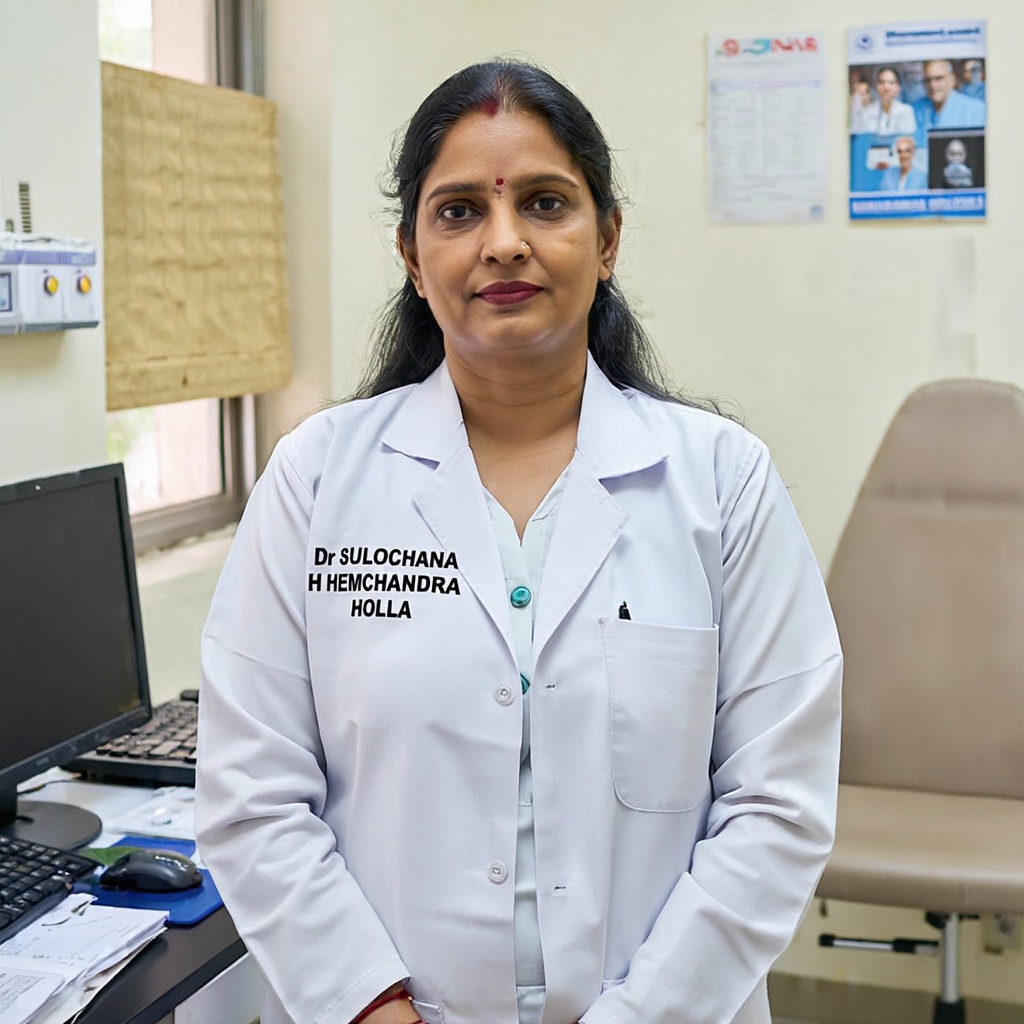
Dr SULOCHANA HEMCHANDRA HOLLA
Consultant Medical Geneticist · Reg: 8532
Last reviewed: September 7, 2026
Overview
The purpose of the Nx Gen Sequencing test for Charcot-Marie-Tooth Disease and Sensory Neuropathies is to provide a comprehensive molecular diagnosis by analyzing over 100 genes known to be associated with these conditions. This test identifies pathogenic and likely pathogenic genetic variants, including single nucleotide variants (SNVs), small insertions and deletions (indels), and select copy number variants across the following genes: AARS, ABHD12, AIFM1, ARHGEF10, ATL1, ATL3, ATP1A1, ATP7A, BAG3, BSCL2, CCT5, CNTNAP1, COA7, COX6A1, CTDP1, DCTN1, DCTN2, DHTKD1, DNAJB2, DNM2, DNMT1, DRP2, DST, DYNC1H1, EGR2, FAM134B, FGD4, FIG4, GAN, GARS, GDAP1, GJB1, GNB4, HARS, HINT1, HK1, HOXD1, HSPB1, HSPB3, HSPB8, IGHMBP2, INF2, JPH1, KARS, KIF1A, KIF1B, KIF5A, LITAF, LMNA, LRSAM1, MARS, MCM3AP, MED25, MFN2, MME, MORC2, MPV17, MPZ, MTMR2, NAGLU, NDRG1, NEFH, NEFL, NGF, NTRK1, PDK3, PLEKHG5, PMP22, PRDM12, PRPS1, PRX, PTRH2, RAB7A, SBF1, SBF2, SCN11A, SCO2, SCN9A, SETX, SGPL1, SH3TC2, SIGMAR1, SLC12A6, SLC25A46, SOX1, SPG11, SPTLC1, SPTLC2, SURF1, TFG, TRIM2, TRPV4, VCP, WARS, WNK1, and YARS. This information helps clinicians confirm a suspected diagnosis, differentiate between subtypes of CMT and sensory neuropathies, guide treatment and management decisions, facilitate genetic counseling for affected families, and enable carrier testing and prenatal diagnosis when indicated.
- Test Code
- 1345
- CPT Code
- 81448
- ICD Code
- G60.0
- Price
- ₹23,400
- Sample Type
- Whole Blood
- Result Time
- Results are typically available within 40 working days from the date of sample receipt at the laboratory. Samples should be submitted daily by 9:00 AM for optimal processing. Reports are delivered digitally via the online portal, email, and WhatsApp.
- Fasting Required
- No
- Method
- Next-Generation Sequencing (NGS), Sanger Sequencing (confirmation)
Sample Collection
Duly filled Whole Exome Sequencing Consent Form (Form 37) is mandatory. No fasting is required. Inform the healthcare provider about any recent blood transfusions or current medications. Ensure the patient is well-hydrated for easier venipuncture.
Method: Venipuncture
Laboratory Analysis
A trained phlebotomist will collect 10 mL (minimum 5 mL) of whole blood via venipuncture into 2 Lavender Top (EDTA) tubes. The process typically takes 5-10 minutes. Mild discomfort or a slight pinching sensation may be felt during needle insertion.
Report Delivery
Apply gentle pressure with cotton wool or gauze at the puncture site for 3-5 minutes. The collected sample is shipped refrigerated and must not be frozen. Sample stability: Room Temperature – 6 hours; Refrigerator (2-8°C) – 72 hours; Frozen – Not applicable. A small bruise may appear at the collection site and typically resolves within a few days.
Timeline: Results are typically available within 40 working days from the date of sample receipt at the laboratory. Samples should be submitted daily by 9:00 AM for optimal processing. Reports are delivered digitally via the online portal, email, and WhatsApp.
Patient Instructions
About This Test
Who Should Get This Test
The purpose of the Nx Gen Sequencing test for Charcot-Marie-Tooth Disease and Sensory Neuropathies is to provide a comprehensive molecular diagnosis by analyzing over 100 genes known to be associated with these conditions. This test identifies pathogenic and likely pathogenic genetic variants, including single nucleotide variants (SNVs), small insertions and deletions (indels), and select copy number variants across the following genes: AARS, ABHD12, AIFM1, ARHGEF10, ATL1, ATL3, ATP1A1, ATP7A, BAG3, BSCL2, CCT5, CNTNAP1, COA7, COX6A1, CTDP1, DCTN1, DCTN2, DHTKD1, DNAJB2, DNM2, DNMT1, DRP2, DST, DYNC1H1, EGR2, FAM134B, FGD4, FIG4, GAN, GARS, GDAP1, GJB1, GNB4, HARS, HINT1, HK1, HOXD1, HSPB1, HSPB3, HSPB8, IGHMBP2, INF2, JPH1, KARS, KIF1A, KIF1B, KIF5A, LITAF, LMNA, LRSAM1, MARS, MCM3AP, MED25, MFN2, MME, MORC2, MPV17, MPZ, MTMR2, NAGLU, NDRG1, NEFH, NEFL, NGF, NTRK1, PDK3, PLEKHG5, PMP22, PRDM12, PRPS1, PRX, PTRH2, RAB7A, SBF1, SBF2, SCN11A, SCO2, SCN9A, SETX, SGPL1, SH3TC2, SIGMAR1, SLC12A6, SLC25A46, SOX1, SPG11, SPTLC1, SPTLC2, SURF1, TFG, TRIM2, TRPV4, VCP, WARS, WNK1, and YARS.
This information helps clinicians confirm a suspected diagnosis, differentiate between subtypes of CMT and sensory neuropathies, guide treatment and management decisions, facilitate genetic counseling for affected families, and enable carrier testing and prenatal diagnosis when indicated.
How to Prepare
- Collect 10 mL (5 mL minimum) whole blood from 2 Lavender Top (EDTA) tubes
- Ship the sample refrigerated. DO NOT FREEZE
- Duly filled Whole Exome Sequencing Consent Form (Form 37) is mandatory with every sample
- Label all tubes clearly with patient name, date of birth, date and time of collection
- Submit sample daily before 9:00 AM for optimal processing
- Ensure tubes are gently mixed 8-10 times after collection to prevent clotting
Doctor's Notes
Reviewed by Dr SULOCHANA HEMCHANDRA HOLLA — MBBS, MD (Medical Genetics) · Reg. No. 8532
"Charcot-Marie-Tooth disease is one of the most common inherited neuropathies and is frequently misdiagnosed or undiagnosed due to clinical overlap with other neuropathies. Next-generation sequencing allows us to identify the precise genetic cause across more than 100 implicated genes in a single test, enabling accurate diagnosis, prognostication, targeted genetic counseling, and informed family planning decisions. I recommend this test for any patient presenting with progressive distal weakness, foot deformities, or unexplained sensory neuropathy, especially when there is a family history suggestive of hereditary neuropathy."
Last medically reviewed: September 7, 2026
Test Parameters & Specifications
Sample Stability
- Frozen samples
- Sample volume below minimum requirement (less than 5 mL)
- Missing or incomplete Whole Exome Sequencing Consent Form (Form 37)
- Samples collected in incorrect tube type (non-EDTA)
- Severely hemolyzed, clotted, or contaminated samples
- Samples received beyond the allowable stability window
- Unlabeled or mismatched sample labels
Understanding Your Results
Pathogenic or Likely Pathogenic Variant Detected
A genetic variant classified as pathogenic or likely pathogenic has been identified, confirming a molecular diagnosis of CMT or sensory neuropathy. The specific gene and variant, its inheritance pattern, and the associated clinical phenotype are detailed. This information guides prognosis, management, and genetic counseling for family members. Cascade testing of at-risk relatives is recommended.
Variant of Uncertain Significance (VUS) Detected
A variant of uncertain significance has been identified. This means there is currently insufficient evidence to determine whether the variant is disease-causing or benign. Clinical correlation, family segregation studies, and periodic re-evaluation as new scientific data become available are recommended. The variant should not be used alone for clinical decision-making.
No Pathogenic Variant Detected
No pathogenic or likely pathogenic variants were identified in the genes analyzed. This does not completely exclude a genetic basis for the condition, as mutations in genes not covered by this panel, regulatory region variants, or other types of genomic alterations may still be responsible. Clinical correlation and further evaluation, including whole exome or whole genome sequencing, may be considered.
Benign or Likely Benign Variant Detected
The identified variant(s) are classified as benign or likely benign, meaning they are not considered disease-causing. These are common population variants and do not explain the patient's clinical presentation. Further clinical evaluation may be warranted if symptoms persist.
Consult your neurologist or geneticist if you or a family member experience progressive muscle weakness in the feet or hands, frequent tripping or difficulty walking, foot deformities such as high arches or hammer toes, unexplained numbness, tingling, or burning pain in the extremities, loss of sensation, or if there is a known family history of Charcot-Marie-Tooth disease or hereditary neuropathy. Early genetic diagnosis can guide appropriate management, rehabilitation strategies, and family planning decisions.
Limitations
- ⚠This test may not detect large genomic rearrangements, deep intronic variants, or repeat expansions in all genes
- ⚠Variants of uncertain significance (VUS) may be identified and require further clinical correlation
- ⚠The test does not cover all possible genetic causes of peripheral neuropathy; negative results do not fully exclude a genetic etiology
- ⚠Mosaicism at low levels may not be reliably detected
- ⚠Regulatory and promoter region variants outside the coding regions may not be captured
Risks & Considerations
- ●Minor bruising or hematoma at the venipuncture site
- ●Mild pain or discomfort during blood draw
- ●Rare risk of infection at the needle puncture site
- ●Fainting or lightheadedness during or after blood collection (vasovagal reaction)
- ●Emotional or psychological impact of genetic test results, particularly if pathogenic variants are identified
Interfering Factors
- ●Degraded or insufficient DNA quality due to improper sample storage or transport
- ●Contamination of the blood sample during collection or handling
- ●Recent blood transfusion may affect DNA analysis results
- ●Hemolyzed samples may reduce DNA yield and quality
- ●Missing or incomplete Whole Exome Sequencing Consent Form (Form 37) will result in sample rejection
Compare With Similar Tests
| Test | Nx Gen Sequencing: Charcot-Marie-Tooth Disease & Sensory Neuropathies Test | Nx Gen Sequencing (CMT & Sensory Neuropathy Panel) | Single-Gene Sanger Sequencing | Whole Exome Sequencing (WES) |
|---|---|---|---|---|
| Comparison | Nx Gen Sequencing: Charcot-Marie-Tooth Disease & Sensory Neuropathies Test |
Frequently Asked Questions
What is Charcot-Marie-Tooth (CMT) disease?
What is the Nx Gen Sequencing test for CMT and Sensory Neuropathies?
Who should consider getting this genetic test?
What sample is required for this test?
How long does it take to get the test results?
Is fasting required before the blood sample collection?
What do the test results mean?
Is genetic counseling recommended with this test?
Can this test detect all types of Charcot-Marie-Tooth disease?
Is home sample collection available for this test?
What is the cost of the Nx Gen Sequencing test for CMT and Sensory Neuropathies?
How accurate is the Nx Gen Sequencing genetic test?
Related Tests
Angelman Syndrome Test
₹10,000Duchenne / Becker Muscular Dystrophy (DMD / BMD) Gene Mutation Test
₹14,000Episodic Ataxia Type 1 Hotspot Test
₹11,500Episodic Ataxia Comprehensive Profile Hotspot Test
₹16,000Megalencephalic Leukoencephalopathy with Subcortical Cysts Van Der Knaap and Nalband MLC Gene Hotspot Mutation Test
₹7,500Analyzer 18 SMA 18 Test Panel
₹1,755Reference Laboratory Services
We serve as a reference laboratory for hospitals and clinics across India. Send samples from your facility with same-day pickup, priority processing, and results delivered through our online portal. Competitive institutional pricing available.
Your Data Privacy
Your medical data is protected under Indian law.
✓ Stored in India: All patient records are stored on servers located in India. No data is transferred outside the country.
✓ DPDP Act Compliant: Under the Digital Personal Data Protection Act 2023, you can request deletion of your records at any time by contacting support.
Book Your Test
Enter your details and we'll connect you within 15 minutes.