
Nx Gen Sequencing: Tuberous Sclerosis Complex Test
Short Name: TSC Nx Gen Sequencing
Also known as: TSC Genetic Test, TSC1 TSC2 Gene Sequencing, Tuberous Sclerosis Next Generation Sequencing, Tuberous Sclerosis Complex Molecular Test, TSC NGS Panel
Nx Gen Sequencing: Tuberous Sclerosis Complex Test test available at DNA Labs India for ₹27,495. Uses Next-Generation Sequencing (NGS), Sanger Sequencing on Whole Blood samples. Results in Sample collection is processed daily for samples received by 9:00 AM. The complete report is delivered within 30 working days from the date of sample receipt at the laboratory.. Free home collection in 300+ cities across India.

🩺 Medically Reviewed By
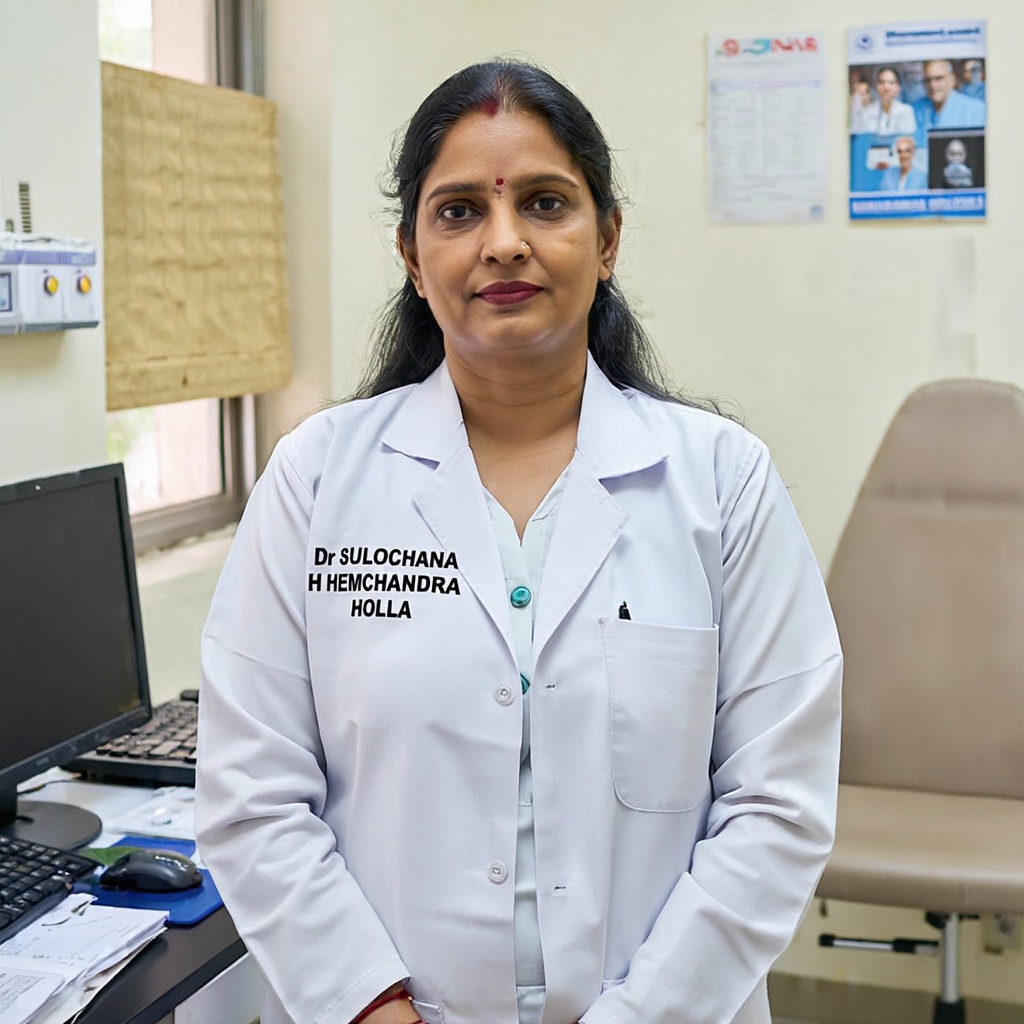
Dr SULOCHANA HEMCHANDRA HOLLA
Consultant Medical Geneticist · Reg: 8532
Last reviewed: September 7, 2026
Overview
The primary purpose of the Nx Gen Sequencing test for Tuberous Sclerosis Complex is to provide a definitive molecular diagnosis by identifying pathogenic or likely pathogenic variants in the TSC1 (hamartin) and TSC2 (tuberin) genes. This test aids clinicians in confirming a clinical diagnosis of TSC, differentiating TSC from other conditions with overlapping features, guiding treatment decisions including the use of mTOR inhibitors (everolimus/sirolimus), enabling genetic counseling for affected individuals and their families, facilitating prenatal or preimplantation genetic diagnosis in families with a known variant, and supporting prognosis assessment based on the specific variant identified. The identification of a causative variant also enables targeted screening of asymptomatic family members who may be at risk.
- Test Code
- 1359
- CPT Code
- 81405
- ICD Code
- Q85.1
- Price
- ₹27,495
- Sample Type
- Whole Blood
- Result Time
- Sample collection is processed daily for samples received by 9:00 AM. The complete report is delivered within 30 working days from the date of sample receipt at the laboratory.
- Fasting Required
- No
- Method
- Next-Generation Sequencing (NGS), Sanger Sequencing
Sample Collection
No fasting is required. Ensure the Clinical Exome Testing Requisition Form (Form 36) is duly completed with detailed clinical information, family history, and referring physician details before sample collection. Avoid blood transfusion within 4 weeks prior to testing.
Method: Venipuncture
Laboratory Analysis
A trained phlebotomist will collect 10 mL (minimum 5 mL) of whole blood via venipuncture into two Lavender Top (EDTA) tubes. The tubes should be gently inverted 8-10 times to prevent clotting. Ensure proper labeling of tubes with patient name, date of birth, and unique identification number.
Report Delivery
Store the sample at room temperature for up to 6 hours or refrigerate (2-8°C) for up to 72 hours. Do NOT freeze the sample. Ship the sample refrigerated with cold packs to maintain temperature. Ensure the sample reaches the laboratory within the stability window for optimal DNA extraction and sequencing quality.
Timeline: Sample collection is processed daily for samples received by 9:00 AM. The complete report is delivered within 30 working days from the date of sample receipt at the laboratory.
Patient Instructions
About This Test
Who Should Get This Test
The primary purpose of the Nx Gen Sequencing test for Tuberous Sclerosis Complex is to provide a definitive molecular diagnosis by identifying pathogenic or likely pathogenic variants in the TSC1 (hamartin) and TSC2 (tuberin) genes. This test aids clinicians in confirming a clinical diagnosis of TSC, differentiating TSC from other conditions with overlapping features, guiding treatment decisions including the use of mTOR inhibitors (everolimus/sirolimus), enabling genetic counseling for affected individuals and their families, facilitating prenatal or preimplantation genetic diagnosis in families with a known variant, and supporting prognosis assessment based on the specific variant identified. The identification of a causative variant also enables targeted screening of asymptomatic family members who may be at risk.
How to Prepare
- Collect 10 mL (minimum 5 mL) whole blood in 2 Lavender Top (EDTA) tubes.
- Invert tubes gently 8-10 times immediately after collection to mix anticoagulant.
- Do not freeze the blood sample under any circumstances.
- Store at room temperature (up to 6 hours) or refrigerate at 2-8°C (up to 72 hours).
- Ship refrigerated with cold gel packs; do not ship frozen.
- Complete and attach the Clinical Exome Testing Requisition Form (Form 36).
- Label tubes clearly with patient name, date of birth, sample date, and unique ID.
Doctor's Notes
Reviewed by Dr SULOCHANA HEMCHANDRA HOLLA — MBBS, MD (Medical Genetics) · Reg. No. 8532
"Tuberous Sclerosis Complex is a multisystem disorder that frequently presents with neurological manifestations including infantile spasms, focal epilepsy, and developmental delay. Molecular confirmation through TSC1 and TSC2 gene sequencing using next-generation sequencing is the gold standard for establishing a definitive diagnosis. Early genetic identification enables timely initiation of surveillance protocols for renal, cardiac, and pulmonary complications, and allows for targeted therapies such as mTOR inhibitors. I strongly recommend genetic testing for all individuals with suspected TSC and for family members of confirmed cases to facilitate cascade screening and informed genetic counseling."
Last medically reviewed: September 7, 2026
Test Parameters & Specifications
Sample Stability
- Sample collected in non-EDTA anticoagulant tubes (e.g., heparin, citrate)
- Insufficient sample volume (less than 5 mL)
- Hemolyzed, clotted, or grossly contaminated samples
- Sample received frozen
- Sample older than 72 hours at refrigerated temperature
- Missing or incomplete Clinical Exome Testing Requisition Form (Form 36)
- Unlabeled or mismatched sample tubes
Understanding Your Results
Confirms molecular diagnosis of Tuberous Sclerosis Complex. Genetic counseling and initiation of organ-specific surveillance protocols are recommended. Cascade testing of at-risk family members should be offered.
Clinical action: Refer to multidisciplinary TSC clinic. Initiate brain MRI, renal imaging, cardiac evaluation, and dermatological assessment as appropriate. Consider mTOR inhibitor therapy if clinically indicated.
Strong evidence supporting TSC diagnosis. Variant reclassification may occur over time with additional data. Clinical correlation is essential.
Clinical action: Manage as confirmed TSC pending further variant characterization. Offer genetic counseling and family screening.
Insufficient evidence to determine pathogenicity. The variant cannot be used for definitive diagnosis. Family segregation analysis and functional studies may help clarify significance.
Clinical action: Clinical management should be based on clinical findings. Genetic counseling to discuss limitations. Recommend periodic reanalysis as variant databases are updated.
Does not exclude TSC. Approximately 10-15% of individuals with clinical TSC have no identifiable mutation in TSC1 or TSC2. Clinical diagnosis criteria still apply.
Clinical action: Continue clinical management based on clinical findings. Consider additional genetic testing or research-based assays if clinically warranted.
Consult your doctor or genetic counselor if you or your child experience seizures (especially infantile spasms), unexplained developmental delays, skin lesions such as white patches or facial bumps, or if a family member has been diagnosed with TSC. Additionally, consult a specialist if prenatal imaging reveals cardiac rhabdomyomas or if renal imaging shows angiomyolipomas. A confirmed genetic diagnosis enables proactive surveillance and timely intervention.
Limitations
- ⚠This test may not detect large genomic rearrangements beyond the scope of NGS-based CNV analysis.
- ⚠Deep intronic variants outside the targeted regions may not be identified.
- ⚠The test does not evaluate genes associated with TSC phenocopies or other genetic conditions with overlapping features.
- ⚠A negative result does not completely exclude TSC, as approximately 10-15% of clinically diagnosed TSC cases have no identifiable variant in TSC1 or TSC2.
- ⚠Variants of Uncertain Significance (VUS) cannot be used for definitive diagnostic decisions without additional clinical and family data.
- ⚠This test does not detect epigenetic changes or mitochondrial DNA variants.
Risks & Considerations
- ●Minor bruising or discomfort at the venipuncture site
- ●Rare risk of fainting during blood draw
- ●Possible detection of Variants of Uncertain Significance (VUS) that may cause anxiety without providing a definitive answer
- ●Risk of incidental findings in genes analyzed beyond TSC1/TSC2 is minimal in targeted testing
- ●Psychological impact of a positive diagnosis on the patient and family members
Interfering Factors
- ●Degraded or insufficient DNA quality from improperly stored blood samples
- ●Recent blood transfusion within the past 4 weeks may affect results
- ●Contamination of the sample during collection or transport
- ●Hemolyzed or clotted samples may not yield reliable sequencing data
- ●Presence of mosaicism may result in variant allele frequencies below detection thresholds
Compare With Similar Tests
| Test | Nx Gen Sequencing: Tuberous Sclerosis Complex Test | Nx Gen Sequencing (This Test) | Sanger Sequencing Only | Clinical Exome Sequencing | Targeted Mutation Panel (Single Variant) |
|---|---|---|---|---|---|
| Comparison | Nx Gen Sequencing: Tuberous Sclerosis Complex Test |
Frequently Asked Questions
What is Tuberous Sclerosis Complex (TSC)?
What genes does the Nx Gen Sequencing TSC test analyze?
Who should consider getting this TSC genetic test?
How is the blood sample collected for this test?
What is the turnaround time for receiving the results?
What does a positive test result mean?
Can TSC be detected before birth using this test?
Is Tuberous Sclerosis Complex hereditary?
Does a negative test result rule out TSC?
What is the cost of the Nx Gen Sequencing TSC test at DNA Labs India?
Is home sample collection available for this test?
What happens after I receive my genetic test results?
Related Tests
Huntington Disease Mutation Detection Test
₹8,000Myotonic Dystrophy Type 1 Test
₹8,500Nx Gen Sequencing: Duchenne & Becker Muscular Dystrophy Test
₹23,400MED25 Gene CMT2B2 NGS Genetic Test
₹20,000FLNA Gene Intestinal pseudoobstraction, neuronal NGS Genetic Test
₹20,000CNKSR2 Gene Intellectual disability nonsyndromic, CNKSR2 related NGS Genetic Test
₹20,000Reference Laboratory Services
We serve as a reference laboratory for hospitals and clinics across India. Send samples from your facility with same-day pickup, priority processing, and results delivered through our online portal. Competitive institutional pricing available.
Your Data Privacy
Your medical data is protected under Indian law.
✓ Stored in India: All patient records are stored on servers located in India. No data is transferred outside the country.
✓ DPDP Act Compliant: Under the Digital Personal Data Protection Act 2023, you can request deletion of your records at any time by contacting support.
Book Your Test
Enter your details and we'll connect you within 15 minutes.