
Pheochromocytoma Profile Test
Short Name: Pheochromocytoma Profile
Also known as: Pheochromocytoma Panel, Catecholamine-Metanephrine Profile, VMA, Metanephrines, Catecholamines and Chromogranin A Profile
Pheochromocytoma Profile Test test available at DNA Labs India for ₹13,000. Uses HPLC-EC, TRACE, LC-MS/MS on Plasma and 24-hour urine samples. Results in Reports are available in 2 days after the sample is submitted to the laboratory.. Free home collection in 300+ cities across India.

🩺 Medically Reviewed By
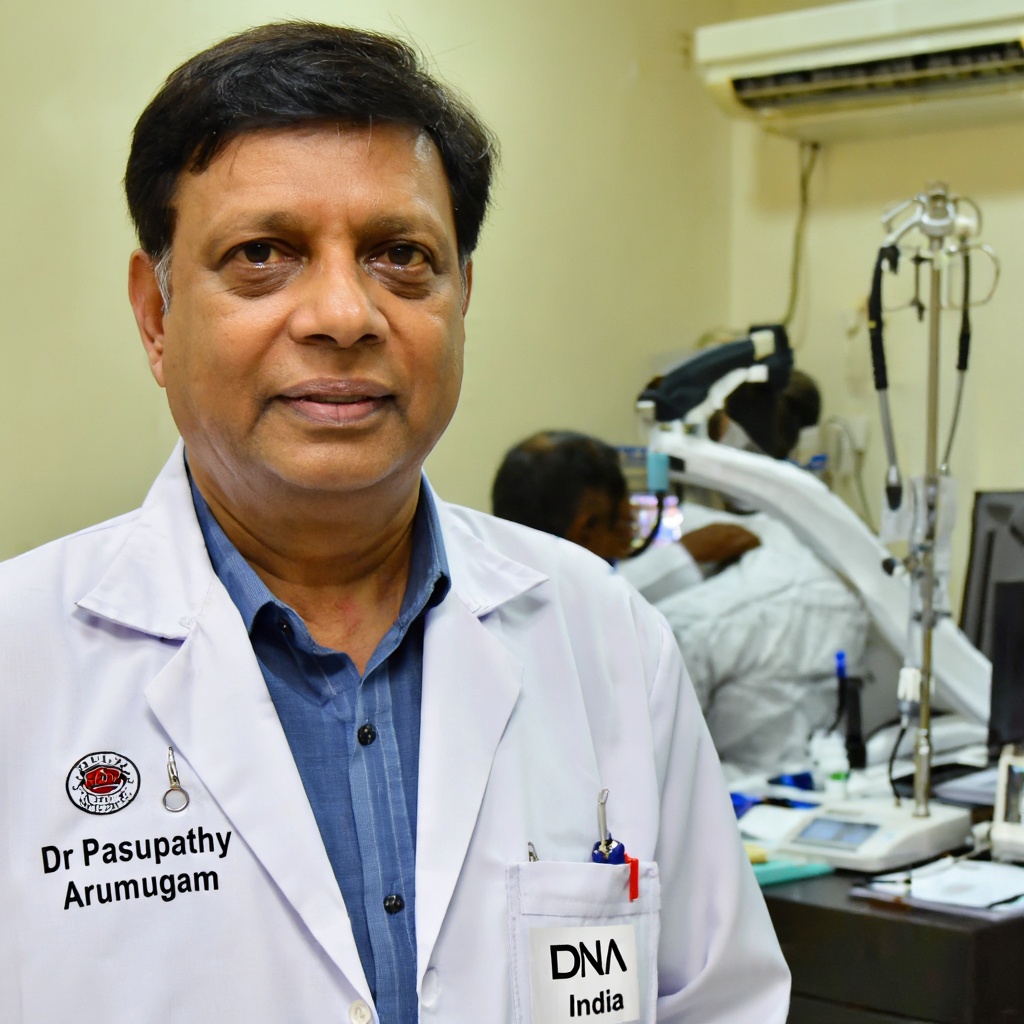
Dr Pasupathy Arumugam
Consultant Pathologist · Reg: 21521
Last reviewed: September 7, 2026
Overview
To evaluate for possible pheochromocytoma or paraganglioma by measuring catecholamine production and its metabolites, including plasma free metanephrines, urinary metanephrines, urinary catecholamines, VMA and chromogranin A.
- Test Code
- 3546
- Price
- ₹13,000
- Sample Type
- Plasma and 24-hour urine
- Result Time
- Reports are available in 2 days after the sample is submitted to the laboratory.
- Fasting Required
- No
- Method
- HPLC-EC, TRACE, LC-MS/MS
Sample Collection
For at least 72 hours before and during specimen collection, strictly avoid alpha-one blockers, aminophylline, amphetamines, ampicillin, beta-blockers, ephedrine, imipramine, methyldopa, buspirone, codeine, L-dopa, MAO inhibitors, nicotine, phenacetin, phenothiazines, theophylline, vasodilators, aspirin, PAS, alpha-two agonists, bromocriptine, calcium channel blockers (long-term use), clofibrate, propranolol, penicillin, reserpine, thyroxine, alpha-methyldopa, isoproterenol, labetalol, mandelamine, paracetamol, cimetidine, metoclopramide, vigorous exercise, alcoholic beverages, tea/coffee, tobacco, chocolate, pepper, vanilla and banana. Do not stop prescribed medications without discussing with your doctor.
Method: Venipuncture and 24-hour urine collection
Laboratory Analysis
Blood sample should be collected into a lavender top EDTA tube. For 24-hour urine collection, use the provided urine container with an appropriate volume of 50% HCl to maintain pH between 1 and 2. Do not use concentrated HCl. Record the 24-hour urine volume on the request form and the urine container.
Report Delivery
Specimens should be shipped frozen. Do not thaw. Reports are typically available in 2 days after sample submission.
Timeline: Reports are available in 2 days after the sample is submitted to the laboratory.
Patient Instructions
About This Test
Who Should Get This Test
To evaluate for possible pheochromocytoma or paraganglioma by measuring catecholamine production and its metabolites, including plasma free metanephrines, urinary metanephrines, urinary catecholamines, VMA and chromogranin A.
How to Prepare
- Do not use concentrated HCl for urine preservation; use 50% HCl to maintain urine pH between 1 and 2.
- Collect the complete 24-hour urine volume and record the total volume on the request form and container.
- For blood, collect 2 mL (minimum 1 mL) plasma in a lavender top EDTA tube.
- Freeze the specimen for transport; do not thaw.
- Follow all medication and dietary restrictions for at least 72 hours before and during collection.
Doctor's Notes
Reviewed by Dr Pasupathy Arumugam — MBBS, MD (Pathology) · Reg. No. 21521
"A positive biochemical profile for pheochromocytoma should be followed by imaging and multidisciplinary evaluation. Pre-operative alpha-blockade is essential before any surgical intervention."
Last medically reviewed: September 7, 2026
Test Parameters & Specifications
Sample Stability
- Specimen received thawed
- Incorrect urine pH or missing preservative
- Incomplete 24-hour urine collection
- Insufficient sample volume
- Improperly labeled specimen
- Missing 24-hour urine volume documentation
Understanding Your Results
Seek urgent medical evaluation if you have paroxysmal hypertension, severe headaches, palpitations, sweating, or hypertensive crises. If you have an adrenal incidentaloma or a genetic syndrome associated with pheochromocytoma, discuss screening with your doctor.
Limitations
- ⚠False-positive results can occur due to medications, stress, renal impairment, improper collection, or dietary interference.
- ⚠The test is not diagnostic in isolation; imaging and clinical correlation are required.
- ⚠Some catecholamine-producing tumors may produce normal results; repeat testing or additional biomarkers may be needed.
- ⚠Reference ranges differ between laboratories; use the values printed on your report.
Risks & Considerations
- ●Blood draw may cause mild pain, bruising, or rarely infection.
- ●24-hour urine collection is non-invasive and generally safe.
- ●Do not stop prescribed medications without consulting your doctor.
Interfering Factors
- ●Alpha-one blockers
- ●Aminophylline
- ●Amphetamines
- ●Ampicillin
- ●Beta-blockers
- ●Ephedrine
- ●Imipramine
- ●Methyldopa
- ●Buspirone
- ●Codeine
- ●L-Dopa
- ●MAO inhibitors
- ●Nicotine
- ●Phenacetin
- ●Phenothiazines
- ●Theophylline
- ●Vasodilators
- ●Aspirin
- ●PAS
- ●Alpha-two agonists
- ●Bromocriptine
- ●Calcium channel blockers (long-term use)
- ●Clofibrate
- ●Propranolol
- ●Penicillin
- ●Reserpine
- ●Thyroxine
- ●Alpha-methyldopa
- ●Isoproterenol
- ●Labetalol
- ●Mandelamine
- ●Paracetamol
- ●Cimetidine
- ●Metoclopramide
- ●Vigorous exercise
- ●Alcoholic beverages
- ●Tea/coffee
- ●Tobacco
- ●Chocolate
- ●Pepper
- ●Vanilla
- ●Banana
Frequently Asked Questions
What is the Pheochromocytoma Profile Test?
How much does this test cost at DNA Labs India?
What sample is needed for this test?
Do I need to fast before the test?
What should I avoid before this test?
What does the test measure?
How long will my reports take?
Is home sample collection available?
Who may need this test?
Can medications affect the test result?
What if my results are high?
Is this test covered by insurance?
Related Tests
Reference Laboratory Services
We serve as a reference laboratory for hospitals and clinics across India. Send samples from your facility with same-day pickup, priority processing, and results delivered through our online portal. Competitive institutional pricing available.
Your Data Privacy
Your medical data is protected under Indian law.
✓ Stored in India: All patient records are stored on servers located in India. No data is transferred outside the country.
✓ DPDP Act Compliant: Under the Digital Personal Data Protection Act 2023, you can request deletion of your records at any time by contacting support.
Book Your Test
Enter your details and we'll connect you within 15 minutes.