
POLG Gene Neuropathy with sensory ataxic, dysarthria, and ophthalmoparesis NGS Genetic Test
Short Name: POLG NGS Genetic Test
Also known as: POLG Gene Mutation Test, SANDO NGS Genetic Test, POLG-related disorders NGS Test, Mitochondrial Neuropathy Gene Test
POLG Gene Neuropathy with sensory ataxic, dysarthria, and ophthalmoparesis NGS Genetic Test test available at DNA Labs India for ₹20,000. Uses Next-Generation Sequencing (NGS) on Blood or Extracted DNA or One drop Blood on FTA Card samples. Results in Reports are delivered within 3 to 4 weeks from the date of sample receipt at the laboratory.. Free home collection in 300+ cities across India.

🩺 Medically Reviewed By
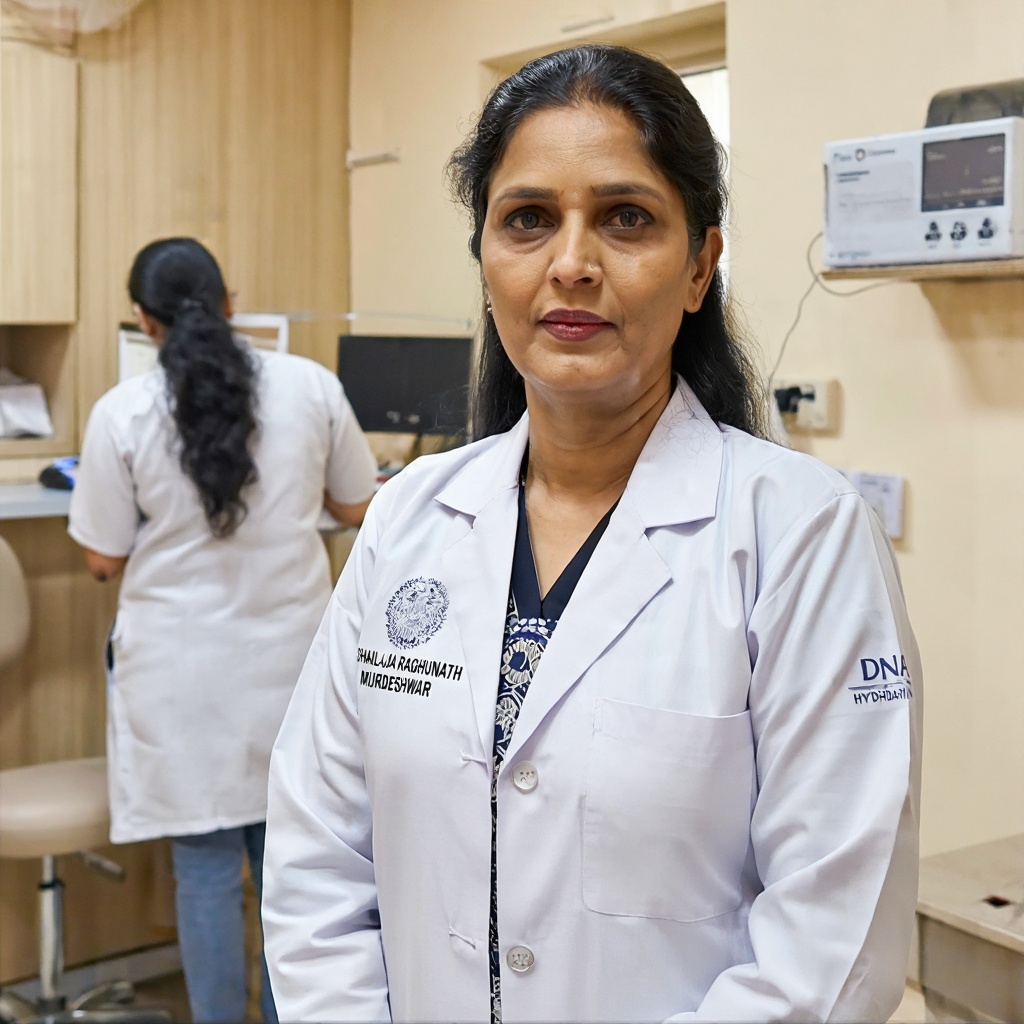
Dr SHAILAJA RAGHUNATH MURDESHWAR
Consultant Physician · Reg: 8052
Last reviewed: September 7, 2026
Overview
To detect pathogenic variants in the POLG gene that are associated with mitochondrial neuropathies, including sensory ataxic neuropathy, dysarthria, and ophthalmoparesis. This NGS test aids in the molecular confirmation of POLG-related disorders and supports genetic counseling for affected families.
- Test Code
- 4423
- Price
- ₹20,000
- Sample Type
- Blood or Extracted DNA or One drop Blood on FTA Card
- Result Time
- Reports are delivered within 3 to 4 weeks from the date of sample receipt at the laboratory.
- Fasting Required
- No
- Method
- Next-Generation Sequencing (NGS)
Sample Collection
No special preparation is required. Please bring the clinical history, previous neurological evaluation records, and any family pedigree details.
Method: Venipuncture or Finger prick for FTA card
Laboratory Analysis
A trained phlebotomist will draw 2-3 ml of peripheral blood in an EDTA tube. Alternatively, a drop of blood may be placed on the FTA card for dried blood spot testing.
Report Delivery
The sample is then sent to the laboratory. You can resume normal activities immediately.
Timeline: Reports are delivered within 3 to 4 weeks from the date of sample receipt at the laboratory.
Patient Instructions
About This Test
Who Should Get This Test
To detect pathogenic variants in the POLG gene that are associated with mitochondrial neuropathies, including sensory ataxic neuropathy, dysarthria, and ophthalmoparesis. This NGS test aids in the molecular confirmation of POLG-related disorders and supports genetic counseling for affected families.
How to Prepare
- No fasting required
- Provide clinical history and pedigree
- Informed consent for genetic testing must be signed
- Ensure correct labelling with patient identity
Doctor's Notes
Reviewed by Dr SHAILAJA RAGHUNATH MURDESHWAR — MBBS, MD (General Medicine) · Reg. No. 8052
"Genetic confirmation is essential for patients presenting with progressive ataxia and ophthalmoparesis. NGS testing of the POLG gene enables accurate diagnosis, prognostic counselling, and screening of at-risk family members."
Last medically reviewed: September 7, 2026
Test Parameters & Specifications
Sample Stability
- Haemolysed blood samples
- Insufficient sample volume
- Spilled or unlabelled samples
- Sample in non-EDTA container (e.g., plain tube)
Understanding Your Results
Pathogenic or Likely Pathogenic variant detected
Confirms the genetic diagnosis. Genetic counselling recommended for family risk assessment.
Variant of Uncertain Significance (VUS)
Fails to confirm or exclude the diagnosis. Additional testing, segregation analysis, or functional studies may be needed.
No pathogenic variant detected
Reduces the likelihood of POLG-related disorder but does not completely eliminate a mitochondrial or other genetic cause.
Consult a neurologist or clinical geneticist for personalised risk assessment and management if you or a family member carry a POLG pathogenic variant.
Limitations
- ⚠NGS may not reliably detect large deletions or duplications unless CNV analysis is performed.
- ⚠Variants in non-coding regulatory regions beyond the exon-intron boundaries may be missed.
- ⚠Low-level mosaicism below 10% may not be detected.
- ⚠Variants of uncertain significance may require additional family segregation studies.
Risks & Considerations
- ●Minor pain or bruising at the venipuncture site
- ●Dizziness or fainting during blood collection
- ●Psychological stress from receiving genetic test results
Interfering Factors
- ●Recent blood transfusion
- ●Clonal haematopoiesis
- ●Bone marrow transplant
- ●Extensive DNA degradation
- ●Insufficient DNA yield
Compare With Similar Tests
| Test | POLG Gene Neuropathy with sensory ataxic, dysarthria, and ophthalmoparesis NGS Genetic Test | POLG Gene NGS Genetic Test | Mitochondrial Genome NGS Test | Inherited Neuropathy NGS Panel |
|---|---|---|---|---|
| Comparison | POLG Gene Neuropathy with sensory ataxic, dysarthria, and ophthalmoparesis NGS Genetic Test |
Frequently Asked Questions
What is POLG gene neuropathy?
What are the main symptoms of POLG gene neuropathy?
What is SANDO syndrome?
How is POLG gene neuropathy diagnosed?
What is the cost of the POLG NGS genetic test in India?
What sample types are accepted?
How long does the report take?
Can children be tested?
Is home sample collection available?
Will I receive raw data and VCF files?
What does a positive test result mean?
Is genetic counselling recommended?
Related Tests
Angelman Syndrome Test
₹10,000Duchenne / Becker Muscular Dystrophy (DMD / BMD) Gene Mutation Test
₹14,000Episodic Ataxia Type 1 Hotspot Test
₹11,500Episodic Ataxia Comprehensive Profile Hotspot Test
₹16,000Megalencephalic Leukoencephalopathy with Subcortical Cysts Van Der Knaap and Nalband MLC Gene Hotspot Mutation Test
₹7,500Analyzer 18 SMA 18 Test Panel
₹1,755Reference Laboratory Services
We serve as a reference laboratory for hospitals and clinics across India. Send samples from your facility with same-day pickup, priority processing, and results delivered through our online portal. Competitive institutional pricing available.
Your Data Privacy
Your medical data is protected under Indian law.
✓ Stored in India: All patient records are stored on servers located in India. No data is transferred outside the country.
✓ DPDP Act Compliant: Under the Digital Personal Data Protection Act 2023, you can request deletion of your records at any time by contacting support.
Book Your Test
Enter your details and we'll connect you within 15 minutes.