
PTCH1 Gene Basal cell nevus syndrome NGS Genetic Test
Short Name: PTCH1 BCNS NGS Test
Also known as: Gorlin Syndrome Genetic Test, PTCH1 Mutation Analysis, Gorlin-Goltz Syndrome NGS Test, BCNS Genetic Test, PTCH1 Gene Sequencing Test
PTCH1 Gene Basal cell nevus syndrome NGS Genetic Test test available at DNA Labs India for ₹20,000. Uses Next-Generation Sequencing (NGS) on Blood or Extracted DNA or One Drop Blood on FTA Card samples. Results in 3 to 4 Weeks. Free home collection in 300+ cities across India.

🩺 Medically Reviewed By
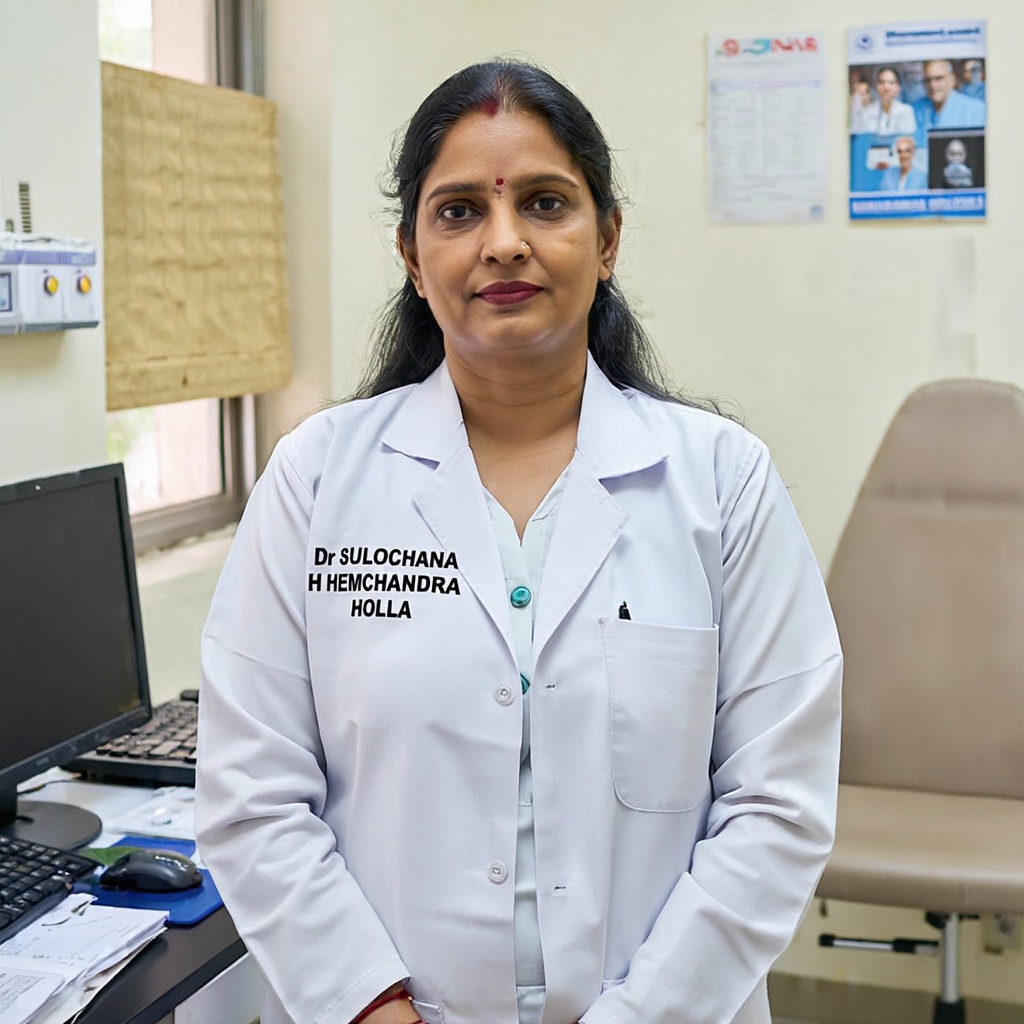
Dr SULOCHANA HEMCHANDRA HOLLA
Consultant Medical Geneticist · Reg: 8532
Last reviewed: September 7, 2026
Overview
The purpose of the PTCH1 Gene Basal Cell Nevus Syndrome NGS Genetic Test is to identify pathogenic or likely pathogenic mutations in the PTCH1 gene that cause Basal Cell Nevus Syndrome (Gorlin Syndrome). This test aids in confirming a clinical diagnosis, differentiating BCNS from other conditions with overlapping features, enabling risk assessment for associated malignancies, facilitating genetic counseling for affected families, and guiding personalized surveillance and treatment strategies.
- Test Code
- 2836
- CPT Code
- 81479
- ICD Code
- Q87.89
- Price
- ₹20,000
- Sample Type
- Blood or Extracted DNA or One Drop Blood on FTA Card
- Result Time
- 3 to 4 Weeks
- Fasting Required
- No
- Method
- Next-Generation Sequencing (NGS)
Sample Collection
A pre-test genetic counseling session is recommended to discuss the implications of testing, obtain informed consent, and prepare a detailed pedigree chart of family members affected with or suspected of having BCNS. Clinical history of the patient, including previous diagnoses, imaging reports, and family history, should be documented.
Method: Venipuncture / FTA Card Spot
Laboratory Analysis
A trained phlebotomist will collect 5-10 mL of peripheral blood via venipuncture into an EDTA (lavender top) tube. Alternatively, extracted DNA or one drop of blood on an FTA card may be submitted. The procedure typically takes 5-10 minutes and involves minimal discomfort.
Report Delivery
Apply gentle pressure to the puncture site with a cotton ball or gauze for 3-5 minutes. A small bandage may be applied. Patients can resume normal activities immediately. Avoid heavy lifting with the collection arm for a few hours. Results will be available within 3 to 4 weeks.
Timeline: 3 to 4 Weeks
Patient Instructions
About This Test
Who Should Get This Test
The purpose of the PTCH1 Gene Basal Cell Nevus Syndrome NGS Genetic Test is to identify pathogenic or likely pathogenic mutations in the PTCH1 gene that cause Basal Cell Nevus Syndrome (Gorlin Syndrome). This test aids in confirming a clinical diagnosis, differentiating BCNS from other conditions with overlapping features, enabling risk assessment for associated malignancies, facilitating genetic counseling for affected families, and guiding personalized surveillance and treatment strategies.
How to Prepare
- Collect 5-10 mL of peripheral blood in an EDTA (Lavender Top) tube
- Alternatively, submit extracted DNA (minimum 1 microgram) or one drop of blood on an FTA card
- Clearly label the sample tube with patient name, date of birth, and unique identification number
- Gently invert the EDTA tube 8-10 times immediately after collection to prevent clotting
- Transport the sample at ambient room temperature (15-25°C)
- Ensure the sample reaches the laboratory within 72 hours of collection
- Complete the test requisition form with clinical history and family pedigree information
Doctor's Notes
Reviewed by Dr SULOCHANA HEMCHANDRA HOLLA — MBBS, MD (Medical Genetics) · Reg. No. 8532
"As an oncologist, I frequently encounter patients presenting with multiple basal cell carcinomas at a young age, which raises suspicion for underlying Basal Cell Nevus Syndrome (Gorlin Syndrome). The PTCH1 Gene NGS Genetic Test is an invaluable diagnostic tool for confirming BCNS at the molecular level. A confirmed PTCH1 pathogenic variant enables us to implement comprehensive cancer surveillance protocols, including regular dermatological screenings, dental evaluations for odontogenic keratocysts, and monitoring for medulloblastoma in pediatric patients. Early genetic diagnosis allows for personalized management strategies that can significantly reduce morbidity and improve long-term outcomes. I strongly recommend this test for any patient with clinical features suggestive of BCNS or a positive family history of the syndrome."
Last medically reviewed: September 7, 2026
Test Parameters & Specifications
Sample Stability
- Hemolyzed, clotted, or insufficient sample volume
- Unlabeled or mislabeled samples
- Samples collected in incorrect anticoagulant tubes (non-EDTA)
- Samples received beyond the stability window (>72 hours for whole blood at room temperature)
- Contaminated samples or samples with compromised integrity
- Incomplete test requisition form or missing clinical history
Understanding Your Results
Pathogenic Variant Detected
A pathogenic mutation in the PTCH1 gene has been identified, confirming a molecular diagnosis of Basal Cell Nevus Syndrome (Gorlin Syndrome). Comprehensive cancer surveillance, regular dermatological evaluations, dental assessments, and genetic counseling for family members are recommended.
Likely Pathogenic Variant Detected
A likely pathogenic variant in the PTCH1 gene has been identified. This is strongly suggestive of BCNS. Clinical correlation and possible segregation analysis in family members may be recommended for definitive confirmation.
Variant of Uncertain Significance (VUS)
A genetic variant in PTCH1 has been detected, but current evidence is insufficient to classify it as pathogenic or benign. Clinical correlation is essential. Family studies and periodic reclassification of the variant are recommended.
Likely Benign Variant Detected
A likely benign variant in the PTCH1 gene has been identified. This variant is unlikely to be causative of BCNS. Clinical correlation is advised if symptoms persist.
No Pathogenic Variant Detected
No pathogenic or likely pathogenic variants were identified in the PTCH1 gene. This result does not completely exclude BCNS, as mutations in other genes (SUFU, PTCH2) or large rearrangements not detectable by NGS may be responsible. Clinical correlation and additional testing may be considered.
Consult a doctor if you or your family members exhibit multiple basal cell carcinomas, especially at a young age; jaw cysts or dental abnormalities; palmar or plantar pits; skeletal anomalies such as bifid ribs or vertebral anomalies; a family history of Gorlin Syndrome; or any combination of these features. Early consultation with a clinical geneticist or oncologist is recommended for appropriate evaluation, genetic counseling, and management planning.
Limitations
- ⚠This test specifically targets the PTCH1 gene and does not analyze other genes associated with overlapping phenotypes
- ⚠Large genomic rearrangements, copy number variations, or deep intronic variants may not be fully detected by standard NGS sequencing
- ⚠Variants of Uncertain Significance (VUS) may be identified and may require further evaluation or family studies
- ⚠Epigenetic changes such as methylation alterations are not assessed by this test
- ⚠A negative result does not completely exclude BCNS, as mutations in other genes (e.g., SUFU, PTCH2) may cause similar phenotypes
- ⚠Mosaicism at low levels may not be detected
Risks & Considerations
- ●Minimal physical risk associated with blood draw (minor bruising, discomfort at puncture site)
- ●Psychological impact of receiving a genetic diagnosis, including anxiety or distress
- ●Potential implications for life insurance, health insurance, or employment (consult local regulations)
- ●Family implications, as a positive result may indicate risk for other family members
- ●Possibility of identifying Variants of Uncertain Significance (VUS) which may cause uncertainty
Interfering Factors
- ●Recent blood transfusion (within 120 days) may affect DNA analysis results
- ●Sample contamination during collection or transport may compromise sequencing accuracy
- ●Degraded DNA due to improper storage or prolonged transit time
- ●Hemolyzed or clotted blood samples may yield insufficient quality DNA
Compare With Similar Tests
| Test | PTCH1 Gene Basal cell nevus syndrome NGS Genetic Test | ||||||
|---|---|---|---|---|---|---|---|
| Comparison | PTCH1 Gene Basal cell nevus syndrome NGS Genetic Test |
Frequently Asked Questions
What is the PTCH1 Gene Basal Cell Nevus Syndrome NGS Genetic Test?
Who should consider getting the PTCH1 Gene NGS Genetic Test?
What sample is required for the PTCH1 Gene NGS Genetic Test?
How long does it take to get the results of the PTCH1 Gene NGS Genetic Test?
What does a positive result (pathogenic variant detected) mean?
Can this test be performed on children or during pregnancy?
Is genetic counseling required before taking this test?
What is the cost of the PTCH1 Gene NGS Genetic Test in India?
Does DNA Labs India provide raw data files with the test report?
Is the PTCH1 Gene NGS Genetic Test covered by insurance in India?
How accurate is the PTCH1 Gene NGS Genetic Test?
Can other family members also get tested if one family member is diagnosed with BCNS?
Related Tests
Comprehensive Leukemia Panel (SNVs, Small INDELs and CNVs)
₹33,000XRCC2 Gene Fanconi anemia, XRCCR2 related NGS Genetic Test
₹20,000CDKN1C Gene Beckwith-Wiedemann syndrome NGS Genetic Test
₹20,000ATR Gene Cutaneous telangiectasia and cancer syndrome, familial NGS Genetic Test
₹20,000PTEN Gene Cowden syndrome type 1 NGS Genetic Test
₹20,000MSH6 Gene Endometrial cancer, familial, MSH6 related NGS Genetic Test
₹20,000Reference Laboratory Services
We serve as a reference laboratory for hospitals and clinics across India. Send samples from your facility with same-day pickup, priority processing, and results delivered through our online portal. Competitive institutional pricing available.
Your Data Privacy
Your medical data is protected under Indian law.
✓ Stored in India: All patient records are stored on servers located in India. No data is transferred outside the country.
✓ DPDP Act Compliant: Under the Digital Personal Data Protection Act 2023, you can request deletion of your records at any time by contacting support.
Book Your Test
Enter your details and we'll connect you within 15 minutes.