
ROGDI Gene Kohlschutter Tonz syndrome NGS Genetic Test
Short Name: ROGDI Gene NGS Test
Also known as: Kohlschutter-Tonz Syndrome NGS Test, ROGDI Gene Sequencing Test, KTS Genetic Test, ROGDI Mutation Analysis
ROGDI Gene Kohlschutter Tonz syndrome NGS Genetic Test test available at DNA Labs India for ₹20,000. Uses Next Generation Sequencing (NGS) on Blood or Extracted DNA or One drop Blood on FTA Card samples. Results in Reports will be delivered within 3 to 4 weeks from the date of sample receipt at the laboratory. You will receive the conclusive clinical test report along with raw data files (FASTQ and VCF).. Free home collection in 300+ cities across India.

🩺 Medically Reviewed By
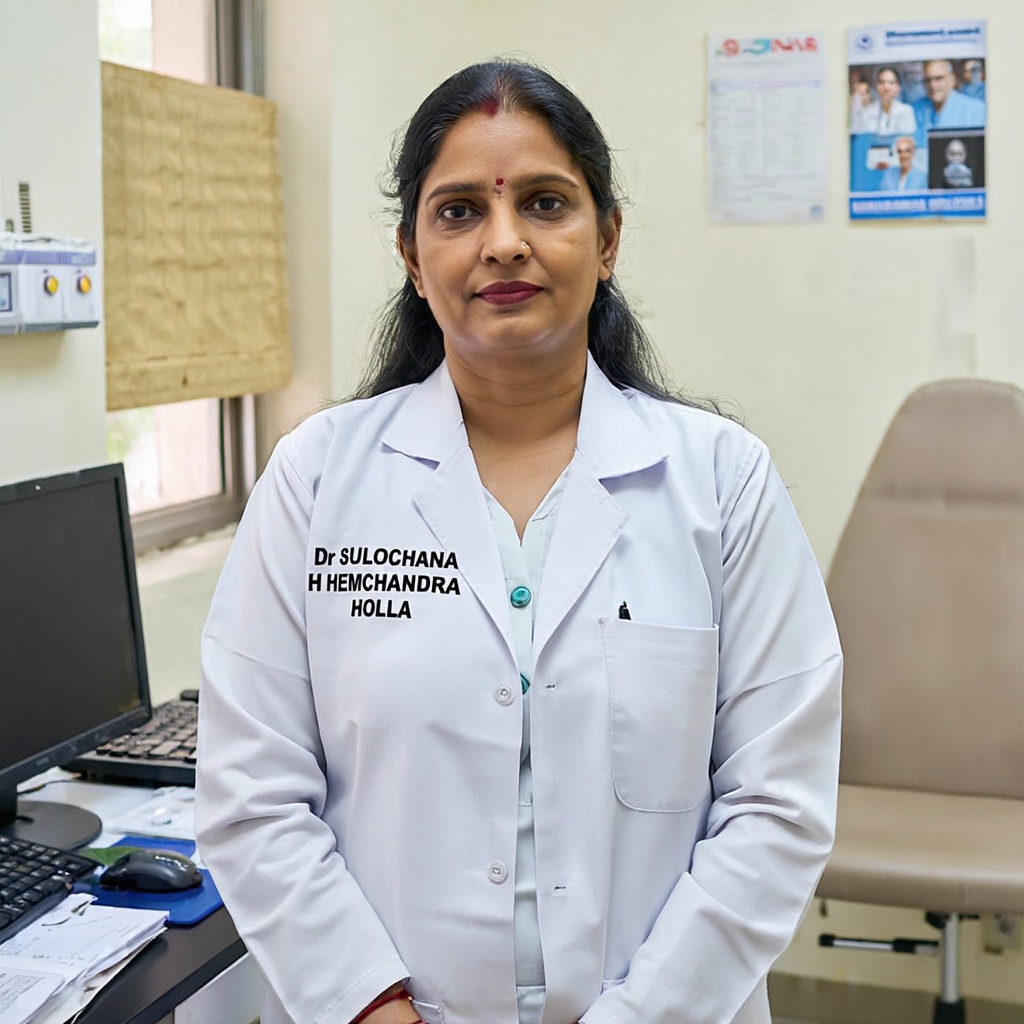
Dr SULOCHANA HEMCHANDRA HOLLA
Consultant Medical Geneticist · Reg: 8532
Last reviewed: September 7, 2026
Overview
The purpose of this NGS genetic test is to detect pathogenic mutations in the ROGDI gene responsible for causing Kohlschutter-Tonz syndrome. Molecular confirmation helps clinicians establish an accurate diagnosis, distinguish KTS from other epileptic encephalopathies, provide prognosis, guide seizure management, and offer recurrence risk counselling to affected families.
- Test Code
- 4164
- Price
- ₹20,000
- Sample Type
- Blood or Extracted DNA or One drop Blood on FTA Card
- Result Time
- Reports will be delivered within 3 to 4 weeks from the date of sample receipt at the laboratory. You will receive the conclusive clinical test report along with raw data files (FASTQ and VCF).
- Fasting Required
- No
- Method
- Next Generation Sequencing (NGS)
Sample Collection
No specific preparation is required. No fasting is needed. Please carry the test requisition form with complete clinical history. Inform the laboratory about any prior genetic testing or known familial mutations. A genetic counselling session is recommended before testing.
Method: Peripheral venipuncture / Finger prick / DNA extraction
Laboratory Analysis
Approximately 2-3 ml of peripheral blood will be collected by a trained phlebotomist using a sterile needle and EDTA vacutainer. For FTA card collection, a single drop of blood is obtained by a finger prick and applied to the designated area. Extracted DNA can also be submitted directly.
Report Delivery
The blood sample should be transported to the laboratory promptly. FTA cards should be air-dried at room temperature before sealing in the provided pouch. Results will be shared through the online portal, email, or WhatsApp within 3 to 4 weeks.
Timeline: Reports will be delivered within 3 to 4 weeks from the date of sample receipt at the laboratory. You will receive the conclusive clinical test report along with raw data files (FASTQ and VCF).
Patient Instructions
About This Test
Who Should Get This Test
The purpose of this NGS genetic test is to detect pathogenic mutations in the ROGDI gene responsible for causing Kohlschutter-Tonz syndrome. Molecular confirmation helps clinicians establish an accurate diagnosis, distinguish KTS from other epileptic encephalopathies, provide prognosis, guide seizure management, and offer recurrence risk counselling to affected families.
How to Prepare
- Blood sample must be collected in an EDTA (lavender top) vacutainer
- For FTA card, a single drop of blood should be applied to each pre-printed circle and allowed to air dry
- Label the sample with patient's full name, unique ID, and date of collection
- Complete the requisition form including clinical history, pedigree, and signed informed consent
- Do not freeze whole blood; store at 2-8°C if transport is delayed
Doctor's Notes
Reviewed by Dr SULOCHANA HEMCHANDRA HOLLA — MBBS, MD (Medical Genetics) · Reg. No. 8532
"Genetic counselling prior to testing is essential as Kohlschutter-Tonz syndrome follows autosomal recessive inheritance, giving parents a 25% recurrence risk with each pregnancy."
Last medically reviewed: September 7, 2026
Test Parameters & Specifications
Sample Stability
- Hemolyzed blood samples
- Clotted blood samples
- Improperly labelled or unlabelled samples
- Frozen whole blood samples
- Samples received after more than 72 hours without cold chain
- Incomplete requisition or missing consent form
Understanding Your Results
Pathogenic (Class 5)
Confirmed molecular diagnosis of Kohlschutter-Tonz syndrome; recurrence risk counselling strongly recommended
Likely Pathogenic (Class 4)
High likelihood of disease causation; family segregation studies may be suggested to confirm
Variant of Uncertain Significance (Class 3)
Insufficient evidence to determine pathogenicity; additional genetic testing of family members may be needed
Benign (Class 1) / Likely Benign (Class 2)
No clinical significance; does not explain the patient's phenotype
If a pathogenic or likely pathogenic variant is identified, please consult a clinical geneticist or neurologist for a comprehensive management plan. Genetic counselling is strongly recommended to understand the implications of results for the patient and family members.
Limitations
- ⚠NGS may not reliably detect large structural rearrangements, deep intronic variants, or complex repeat expansions
- ⚠Variants of uncertain significance (VUS) may require additional family testing
- ⚠This test does not assess other genes associated with similar neurodevelopmental phenotypes
- ⚠Copy number variants may require confirmation by MLPA or qPCR
- ⚠Test results should always be interpreted in the context of clinical findings
Risks & Considerations
- ●Minimal risk associated with routine blood collection
- ●Mild bruising at the venipuncture site
- ●Rare local infection or discomfort at the puncture site
- ●No genetic risk from the test itself
Interfering Factors
- ●Insufficient DNA quantity or quality
- ●Contamination of blood sample during collection
- ●Maternal cell contamination in prenatal samples
- ●Uninformative or incomplete clinical history
- ●Genetic variants of uncertain significance
- ●Somatic mosaicism detected at low level
Compare With Similar Tests
| Test | ROGDI Gene Kohlschutter Tonz syndrome NGS Genetic Test | ROGDI Gene NGS Test | Comprehensive Epilepsy NGS Panel |
|---|---|---|---|
| Comparison | ROGDI Gene Kohlschutter Tonz syndrome NGS Genetic Test |
Frequently Asked Questions
What is Kohlschutter-Tonz syndrome?
How is Kohlschutter-Tonz syndrome inherited?
What does the ROGDI gene NGS genetic test detect?
What sample type is required for this test?
Is fasting required before giving the blood sample?
How long will the test take to produce results?
Does DNA Labs India provide raw data files with the report?
What is the cost of the ROGDI gene NGS test?
Who should consider taking this test?
Are there any risks associated with this genetic test?
Will this test detect all causes of early-onset epilepsy?
What are the benefits of a molecular genetic diagnosis for KTS?
Related Tests
Angelman Syndrome Test
₹10,000Duchenne / Becker Muscular Dystrophy (DMD / BMD) Gene Mutation Test
₹14,000Episodic Ataxia Type 1 Hotspot Test
₹11,500Episodic Ataxia Comprehensive Profile Hotspot Test
₹16,000Megalencephalic Leukoencephalopathy with Subcortical Cysts Van Der Knaap and Nalband MLC Gene Hotspot Mutation Test
₹7,500Analyzer 18 SMA 18 Test Panel
₹1,755Reference Laboratory Services
We serve as a reference laboratory for hospitals and clinics across India. Send samples from your facility with same-day pickup, priority processing, and results delivered through our online portal. Competitive institutional pricing available.
Your Data Privacy
Your medical data is protected under Indian law.
✓ Stored in India: All patient records are stored on servers located in India. No data is transferred outside the country.
✓ DPDP Act Compliant: Under the Digital Personal Data Protection Act 2023, you can request deletion of your records at any time by contacting support.
Book Your Test
Enter your details and we'll connect you within 15 minutes.