
SCN1A Gene Familial hemiplegic migraine type 3 NGS Genetic Test
Short Name: SCN1A FHM3 NGS Test
Also known as: SCN1A FHM Type 3 Genetic Test, Familial Hemiplegic Migraine Type 3 Gene Test, SCN1A Next Generation Sequencing Test, Hemiplegic Migraine SCN1A Mutation Analysis, SCN1A Gene Sequencing Test
SCN1A Gene Familial hemiplegic migraine type 3 NGS Genetic Test test available at DNA Labs India for ₹20,000. Uses Next Generation Sequencing (NGS) on Blood or Extracted DNA or One Drop Blood on FTA Card samples. Results in Results are typically available within 3 to 4 weeks from the date the laboratory receives and processes the sample. Results are delivered via online portal, email, or WhatsApp as per the patient's preference.. Free home collection in 300+ cities across India.

🩺 Medically Reviewed By
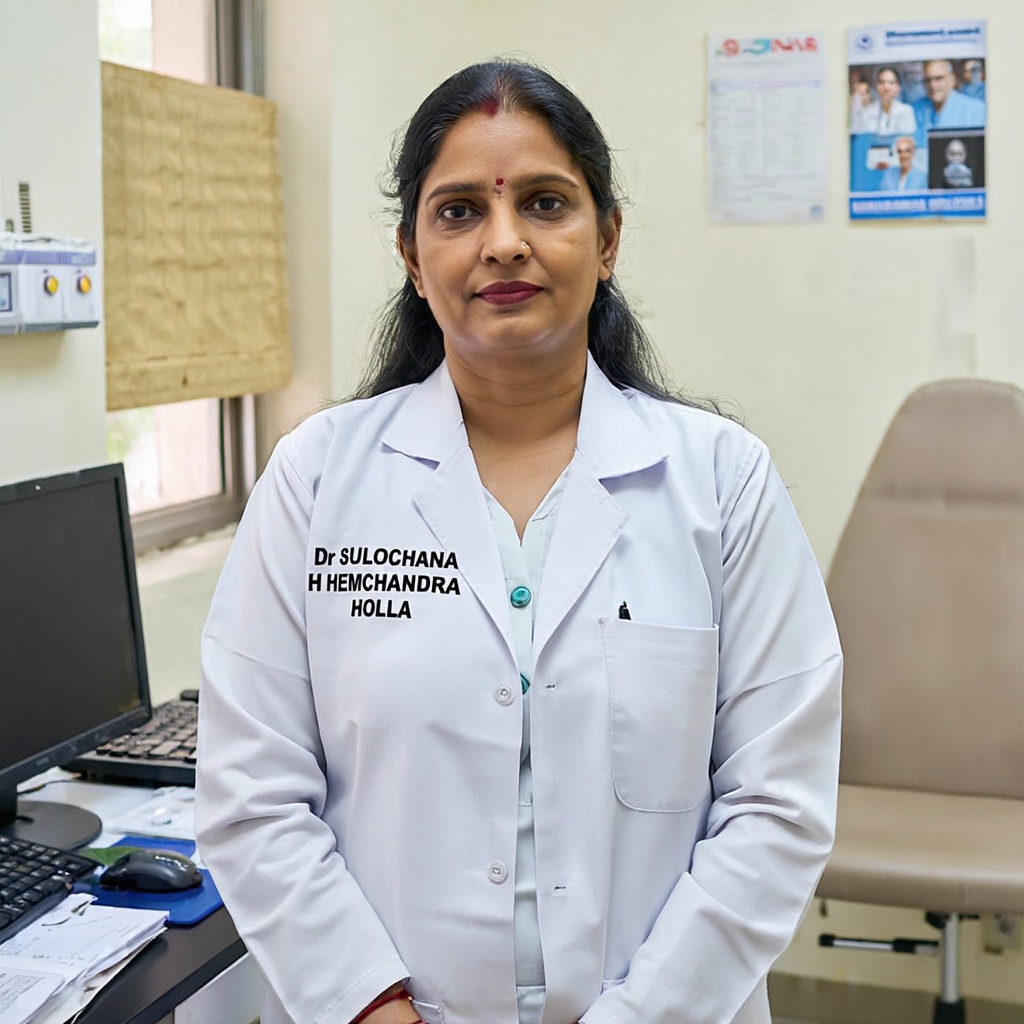
Dr SULOCHANA HEMCHANDRA HOLLA
Consultant Medical Geneticist · Reg: 8532
Last reviewed: September 7, 2026
Overview
This test is performed to identify pathogenic or likely pathogenic mutations in the SCN1A gene that cause familial hemiplegic migraine type 3 (FHM3). The purpose includes confirming the clinical diagnosis of FHM3 in symptomatic individuals, differentiating FHM3 from FHM1, FHM2, and other neurological conditions such as epilepsy, guiding personalised treatment strategies (including avoiding medications that may exacerbate SCN1A dysfunction), enabling genetic counselling for at-risk family members, and supporting carrier testing and family planning decisions. The NGS approach ensures comprehensive gene coverage with high analytical sensitivity and specificity.
- Test Code
- 1620
- CPT Code
- 81479
- ICD Code
- G43.1
- Price
- ₹20,000
- Sample Type
- Blood or Extracted DNA or One Drop Blood on FTA Card
- Result Time
- Results are typically available within 3 to 4 weeks from the date the laboratory receives and processes the sample. Results are delivered via online portal, email, or WhatsApp as per the patient's preference.
- Fasting Required
- No
- Method
- Next Generation Sequencing (NGS)
Sample Collection
A genetic counselling session is recommended before sample collection. During this session, the clinical history of the patient, a detailed family pedigree, and the nature and frequency of migraine episodes will be documented. No fasting or special dietary preparation is required. Inform the laboratory if the patient has received a blood transfusion within the past 120 days or is on anticoagulant therapy.
Method: Venipuncture
Laboratory Analysis
A peripheral blood sample of 3 to 5 mL is collected via venipuncture into an EDTA (lavender top) vacutainer tube. Alternatively, one drop of blood may be deposited on an FTA card. Previously extracted DNA from another laboratory may also be submitted. The collection procedure typically takes 5 to 10 minutes and is minimally invasive.
Report Delivery
After collection, mild pressure is applied to the puncture site. The blood sample is labelled, stored at ambient room temperature, and transported to the DNA Labs India laboratory. DNA extraction, library preparation, and NGS sequencing of the SCN1A gene are performed. The complete process, including data analysis and report generation, takes approximately 3 to 4 weeks.
Timeline: Results are typically available within 3 to 4 weeks from the date the laboratory receives and processes the sample. Results are delivered via online portal, email, or WhatsApp as per the patient's preference.
Patient Instructions
About This Test
Who Should Get This Test
This test is performed to identify pathogenic or likely pathogenic mutations in the SCN1A gene that cause familial hemiplegic migraine type 3 (FHM3). The purpose includes confirming the clinical diagnosis of FHM3 in symptomatic individuals, differentiating FHM3 from FHM1, FHM2, and other neurological conditions such as epilepsy, guiding personalised treatment strategies (including avoiding medications that may exacerbate SCN1A dysfunction), enabling genetic counselling for at-risk family members, and supporting carrier testing and family planning decisions. The NGS approach ensures comprehensive gene coverage with high analytical sensitivity and specificity.
How to Prepare
- No fasting is required before sample collection
- Blood should be collected in an EDTA (lavender top) tube or on an FTA card
- Do not use heparin tubes as heparin can interfere with molecular testing
- Ensure proper labelling of the sample with patient name, date of birth, and unique identifier
- Store the sample at ambient room temperature (15-30°C) until dispatch
- Transport the sample to the laboratory within 48 hours of collection for optimal DNA quality
- Provide complete clinical history, symptom details, and a three-generation family pedigree during the pre-test counselling session
Doctor's Notes
Reviewed by Dr SULOCHANA HEMCHANDRA HOLLA — MBBS, MD (Medical Genetics) · Reg. No. 8532
"Familial hemiplegic migraine type 3 caused by SCN1A mutations is a rare but clinically significant condition that can significantly impact quality of life. Accurate genetic diagnosis through NGS allows for targeted treatment strategies, enables genetic counselling for affected families, and helps differentiate FHM3 from other hemiplegic migraine subtypes and seizure disorders. Early identification of the causative mutation can guide medication choices—particularly avoiding sodium channel blockers that may worsen SCN1A-related symptoms—and help counsel patients on trigger management. I recommend this test for any patient presenting with recurrent hemiplegic migraine episodes, especially with a positive family history."
Last medically reviewed: September 7, 2026
Test Parameters & Specifications
Sample Stability
- Sample collected in an incorrect container (e.g., heparin tube instead of EDTA tube)
- Severely haemolysed or clotted blood sample
- Insufficient sample volume (less than 2 mL)
- Sample contaminated or improperly labelled with mismatched patient identifiers
- Sample received beyond the acceptable stability window (more than 48 hours at ambient temperature for whole blood)
- FTA card with insufficient blood spot or visible contamination
Understanding Your Results
Pathogenic Variant Detected
A known disease-causing mutation in the SCN1A gene has been identified. This confirms the molecular diagnosis of FHM3 and supports the clinical diagnosis. The specific variant, its location, zygosity, and associated phenotype will be detailed in the report. Genetic counselling for family members is strongly recommended.
Likely Pathogenic Variant Detected
A variant that is probably disease-causing has been found based on available evidence. Clinical correlation with the patient's symptoms, family segregation analysis, and functional studies may be recommended to strengthen the classification. Genetic counselling is advised.
Variant of Uncertain Significance (VUS)
A genetic change in the SCN1A gene has been identified, but current scientific evidence is insufficient to classify it as pathogenic or benign. This result alone cannot confirm or rule out FHM3. Clinical follow-up, family studies, and periodic reclassification as knowledge advances are recommended.
Likely Benign Variant Detected
A variant that is unlikely to have clinical significance for FHM3 has been identified. This finding does not support a genetic diagnosis of familial hemiplegic migraine type 3. Clinical evaluation for other causes of hemiplegic migraine may be warranted.
No Pathogenic Variant Detected
No disease-causing or likely disease-causing mutation was found in the SCN1A gene. FHM3 due to SCN1A mutations is unlikely based on this result. However, mutations in other genes (CACNA1A for FHM1, ATP1A2 for FHM2), or variants in non-coding regions not covered by this test, cannot be excluded. Clinical correlation and consideration of additional genetic testing are recommended.
Consult a neurologist or clinical geneticist if you or a family member experience recurrent episodes of severe headache with temporary one-sided weakness or paralysis, visual disturbances, speech difficulties, or confusion during migraine attacks. Seek medical advice if there is a known family history of hemiplegic migraine. Early genetic diagnosis enables targeted treatment, avoidance of contraindicated medications (such as certain sodium channel blockers), and informed family planning. Genetic counselling is recommended both before and after testing.
Limitations
- ⚠This test specifically analyses the SCN1A gene and will not detect mutations in CACNA1A (FHM1), ATP1A2 (FHM2), or other genes associated with hemiplegic migraine
- ⚠Deep intronic variants, regulatory region mutations, and variants in untranslated regions (UTRs) outside the sequenced target may not be detected
- ⚠Variants of uncertain significance (VUS) may be identified and require further clinical correlation, family segregation studies, or functional assays
- ⚠Low-level mosaicism (typically below 5-10% allele frequency) may not be reliably detected by standard NGS
- ⚠This test does not detect epigenetic modifications, mitochondrial DNA variants, or trinucleotide repeat expansions
- ⚠Balanced structural rearrangements such as translocations are not detected by this method
Risks & Considerations
- ●Minor bruising, swelling, or discomfort at the blood collection site
- ●Rare risk of infection at the venipuncture site
- ●Emotional or psychological impact of genetic test results on the patient and family members
- ●Possibility of identifying variants of uncertain significance (VUS) requiring further evaluation and follow-up
- ●Potential implications for life or health insurance coverage (consult your provider regarding genetic test policies in India)
Interfering Factors
- ●Degraded or low-quality DNA may affect sequencing accuracy and coverage
- ●Blood sample contamination during collection or transport can lead to inaccurate variant calls
- ●Recent blood transfusion (within 120 days) may introduce donor DNA and interfere with results
- ●Haematological malignancies or active infections may affect DNA purity from peripheral blood
- ●Heparin anticoagulant can inhibit downstream molecular reactions; EDTA is preferred
Compare With Similar Tests
| Test | SCN1A Gene Familial hemiplegic migraine type 3 NGS Genetic Test | ||||
|---|---|---|---|---|---|
| Comparison | SCN1A Gene Familial hemiplegic migraine type 3 NGS Genetic Test |
Frequently Asked Questions
What is the SCN1A Gene Familial Hemiplegic Migraine Type 3 NGS Genetic Test?
What is familial hemiplegic migraine type 3 (FHM3)?
Who should get this genetic test?
What sample is required for this test?
How long does it take to get the results?
What is the cost of the SCN1A Gene FHM3 NGS Genetic Test?
Is home sample collection available for this test?
What do the test results mean?
How is FHM3 different from FHM1 and FHM2?
Does DNA Labs India provide raw data files with the test report?
Is genetic counselling required before this test?
Can this test detect all types of hemiplegic migraine?
Related Tests
Angelman Syndrome Test
₹10,000Duchenne / Becker Muscular Dystrophy (DMD / BMD) Gene Mutation Test
₹14,000Episodic Ataxia Type 1 Hotspot Test
₹11,500Episodic Ataxia Comprehensive Profile Hotspot Test
₹16,000Megalencephalic Leukoencephalopathy with Subcortical Cysts Van Der Knaap and Nalband MLC Gene Hotspot Mutation Test
₹7,500Analyzer 18 SMA 18 Test Panel
₹1,755Reference Laboratory Services
We serve as a reference laboratory for hospitals and clinics across India. Send samples from your facility with same-day pickup, priority processing, and results delivered through our online portal. Competitive institutional pricing available.
Your Data Privacy
Your medical data is protected under Indian law.
✓ Stored in India: All patient records are stored on servers located in India. No data is transferred outside the country.
✓ DPDP Act Compliant: Under the Digital Personal Data Protection Act 2023, you can request deletion of your records at any time by contacting support.
Book Your Test
Enter your details and we'll connect you within 15 minutes.