
SLC9A9 Gene Autism Susceptibility, Type 16 NGS Genetic Test
Short Name: SLC9A9 Autism Type 16 NGS Test
Also known as: SLC9A9 Gene Autism Susceptibility Type 16 Test, SLC9A9 Mutation Analysis, Autism Susceptibility Type 16 NGS Genetic Test
SLC9A9 Gene Autism Susceptibility, Type 16 NGS Genetic Test test available at DNA Labs India for ₹20,000. Uses Next Generation Sequencing (NGS) on Blood or Extracted DNA or One drop Blood on FTA Card samples. Results in Reports are generally delivered within 3 to 4 weeks from the date the sample is received at the laboratory.. Free home collection in 300+ cities across India.

🩺 Medically Reviewed By
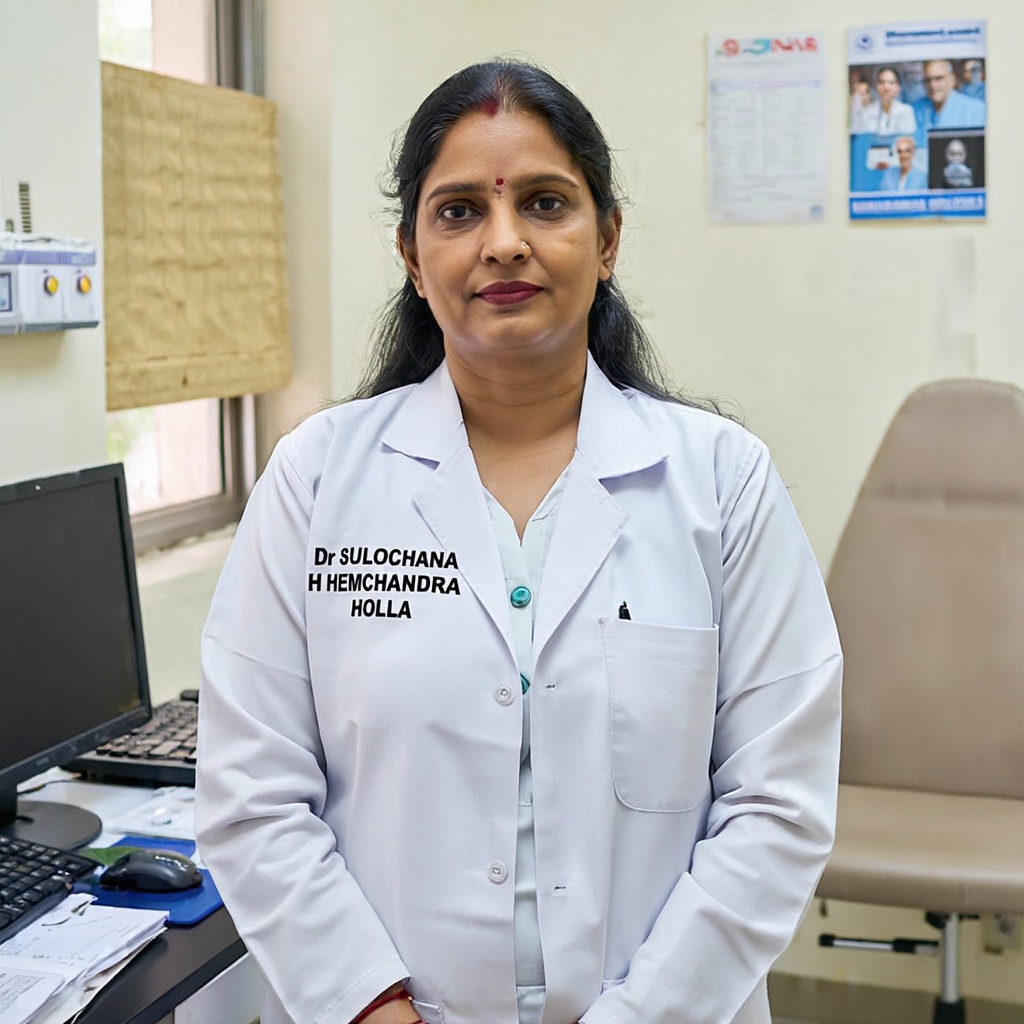
Dr SULOCHANA HEMCHANDRA HOLLA
Consultant Medical Geneticist · Reg: 8532
Last reviewed: September 7, 2026
Overview
The purpose of this test is to identify SLC9A9 gene variants associated with increased susceptibility to autism spectrum disorder. The test is designed to support clinical diagnosis, family risk assessment, and management planning when autism symptoms are present.
- Test Code
- 3916
- Price
- ₹20,000
- Sample Type
- Blood or Extracted DNA or One drop Blood on FTA Card
- Result Time
- Reports are generally delivered within 3 to 4 weeks from the date the sample is received at the laboratory.
- Fasting Required
- No
- Method
- Next Generation Sequencing (NGS)
Sample Collection
No fasting is required. It is recommended that the patient and family undergo a genetic counselling session to draw a pedigree chart and document the clinical history before sample collection. Please carry a doctor's prescription or referral if available.
Method: Peripheral blood draw or FTA card spot
Laboratory Analysis
The blood sample is collected by a trained phlebotomist using a sterile blood collection kit. For FTA card sampling, a single drop of blood is applied to the FTA card. The process is quick and safe.
Report Delivery
The sample is labelled, packed, and transported to the laboratory at ambient temperature. The patient can resume normal daily activities immediately after collection.
Timeline: Reports are generally delivered within 3 to 4 weeks from the date the sample is received at the laboratory.
Patient Instructions
About This Test
Who Should Get This Test
The purpose of this test is to identify SLC9A9 gene variants associated with increased susceptibility to autism spectrum disorder. The test is designed to support clinical diagnosis, family risk assessment, and management planning when autism symptoms are present.
How to Prepare
- EDTA blood: Mix the blood gently and label the tube with patient ID and date.
- Extracted DNA: Place DNA in a sterile screw-capped tube with a unique sample identifier.
- FTA card: Apply a single blood spot, allow it to air dry completely, and store in the provided protective sleeve.
- All samples must be accompanied by a requisition form with clinical history and consultation notes.
Doctor's Notes
Reviewed by Dr SULOCHANA HEMCHANDRA HOLLA — MBBS, MD (Medical Genetics) · Reg. No. 8532
"SLC9A9 variants should be interpreted as risk factors rather than standalone diagnostic markers. A complete clinical evaluation, family pedigree, and genetic counselling are necessary before clinical decisions are made. This is especially important in prenatal and reproductive counselling."
Last medically reviewed: September 7, 2026
Test Parameters & Specifications
Sample Stability
- Unlabelled or mislabelled samples.
- Insufficient blood or DNA quantity.
- Clotted or haemolysed blood affecting DNA quality.
- FTA card with mixed or contaminated blood spots.
- Missing clinical history or informed consent.
Understanding Your Results
Consult a qualified doctor if autism-like features are present, if the test result shows a pathogenic variant or VUS, or if you need help understanding recurrence risk and family planning options. A neurologist, paediatrician, psychiatrist, or clinical geneticist can provide further guidance.
Limitations
- ⚠Targeted NGS analyzes SLC9A9 and selected autism-associated genes; it may not detect mutations in genes outside the targeted regions.
- ⚠Standard NGS may not detect large deletions, duplications, structural variants, or repeat expansions.
- ⚠A variant of uncertain significance may be reported and need additional family segregation studies.
- ⚠A negative result does not exclude autism spectrum disorder or other genetic causes.
Risks & Considerations
- ●Mild pain or bruising at the blood collection site.
- ●Slight bleeding or haematoma.
- ●Rare infection at the puncture site.
- ●No radiation or significant physical risk from the genetic test itself.
Interfering Factors
- ●Poor DNA quantity or quality.
- ●Sample mix-up or labelling errors.
- ●FTA card contamination or improper drying.
- ●Incomplete clinical information.
- ●Mosaic variants below the analytical sensitivity of NGS.
- ●Novel variants where limited evidence is available for classification.
Frequently Asked Questions
What is the SLC9A9 gene?
How is the SLC9A9 gene related to autism?
What is the Type 16 NGS Genetic Test?
What sample is needed for this test?
What is the cost of the SLC9A9 Gene Autism Susceptibility Type 16 NGS Genetic Test?
How long does it take to get reports?
Is fasting required before this test?
Is home sample collection available?
What does a positive result mean?
Why should I ask for raw data files?
Who is this test meant for?
Does insurance cover this test?
Related Tests
MERRF (Myoclonic Epilepsy Associated with Ragged Red Fibres) Mutation Detection Test
₹16,000Myotonic Dystrophy Comprehensive Profile Test
₹11,000MYF6 Gene Centronuclear Myopathy Type 3 NGS Genetic Test
₹20,000DRPLA (Dentatorubral-Pallidoluysian Atrophy) Gene Analysis Test
₹7,500KIF7 Gene Acrocallosal Syndrome NGS Genetic Test
₹20,000APTX Gene Ataxia-Oculomotor Apraxia Type 1 NGS Genetic Test
₹20,000Reference Laboratory Services
We serve as a reference laboratory for hospitals and clinics across India. Send samples from your facility with same-day pickup, priority processing, and results delivered through our online portal. Competitive institutional pricing available.
Your Data Privacy
Your medical data is protected under Indian law.
✓ Stored in India: All patient records are stored on servers located in India. No data is transferred outside the country.
✓ DPDP Act Compliant: Under the Digital Personal Data Protection Act 2023, you can request deletion of your records at any time by contacting support.
Book Your Test
Enter your details and we'll connect you within 15 minutes.