
SOD1 Gene Amyotrophic Lateral Sclerosis Type 1 NGS Genetic Test
Short Name: SOD1 ALS1 NGS Test
Also known as: SOD1 Gene Mutation Test, ALS Type 1 Genetic Test, SOD1 Sequencing, SOD1 Gene Analysis
SOD1 Gene Amyotrophic Lateral Sclerosis Type 1 NGS Genetic Test test available at DNA Labs India for ₹20,000. Uses Next Generation Sequencing (NGS) on Blood or Extracted DNA or One drop Blood on FTA Card samples. Results in The results for the SOD1 Gene ALS Type 1 NGS Genetic Test are typically delivered within 3 to 4 weeks from the date of sample receipt. Patients receive an online portal alert and an email / WhatsApp notification when the report is ready.. Free home collection in 300+ cities across India.

🩺 Medically Reviewed By
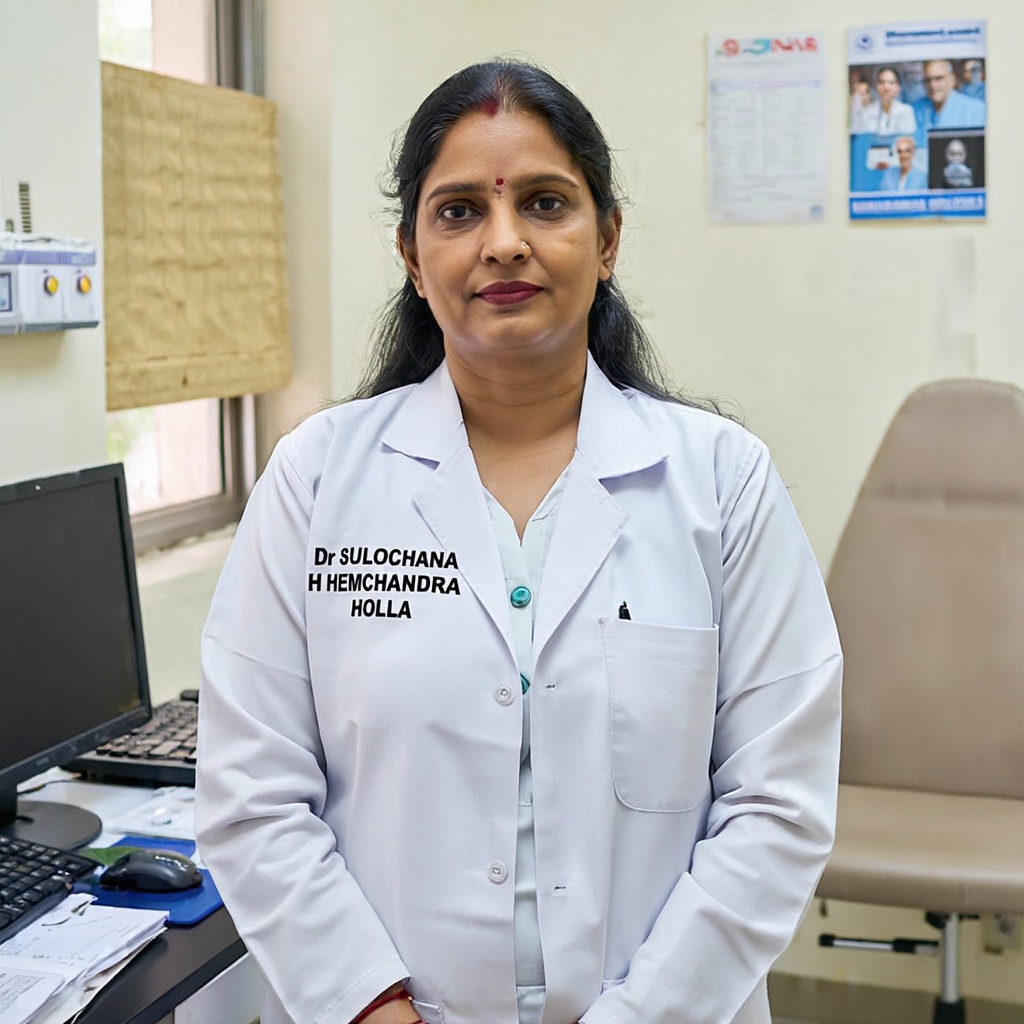
Dr SULOCHANA HEMCHANDRA HOLLA
Consultant Medical Geneticist · Reg: 8532
Last reviewed: September 7, 2026
Overview
The primary purpose of this NGS genetic test is to detect disease-causing mutations in the SOD1 gene associated with amyotrophic lateral sclerosis type 1. It assists in confirming a clinical diagnosis in symptomatic individuals, supports predictive testing for presymptomatic family members, and helps differentiate ALS type 1 from other motor neuron diseases. The test result also enables informed reproductive and family planning decisions through genetic counselling.
- Test Code
- 3884
- ICD Code
- G12.21
- Price
- ₹20,000
- Sample Type
- Blood or Extracted DNA or One drop Blood on FTA Card
- Result Time
- The results for the SOD1 Gene ALS Type 1 NGS Genetic Test are typically delivered within 3 to 4 weeks from the date of sample receipt. Patients receive an online portal alert and an email / WhatsApp notification when the report is ready.
- Fasting Required
- No
- Method
- Next Generation Sequencing (NGS)
Sample Collection
No special pre-test preparation such as fasting is required. However, a detailed clinical history and genetic counselling session are recommended before undergoing the test. The physician may draw a three-generation pedigree to assess hereditary risk.
Method: Peripheral Blood Draw or Finger Prick
Laboratory Analysis
A trained phlebotomist will collect approximately 2-3 ml of peripheral blood in an EDTA vacutainer. For FTA card sampling, one drop of blood is collected onto the designated card. The procedure is quick and routine.
Report Delivery
No post-test restrictions apply. The specimen is transported to the laboratory at ambient temperature (15-25°C). Patients can go about their daily activities immediately. The report will be available within 3 to 4 weeks.
Timeline: The results for the SOD1 Gene ALS Type 1 NGS Genetic Test are typically delivered within 3 to 4 weeks from the date of sample receipt. Patients receive an online portal alert and an email / WhatsApp notification when the report is ready.
Patient Instructions
About This Test
Who Should Get This Test
The primary purpose of this NGS genetic test is to detect disease-causing mutations in the SOD1 gene associated with amyotrophic lateral sclerosis type 1. It assists in confirming a clinical diagnosis in symptomatic individuals, supports predictive testing for presymptomatic family members, and helps differentiate ALS type 1 from other motor neuron diseases. The test result also enables informed reproductive and family planning decisions through genetic counselling.
How to Prepare
- For blood sample: Use EDTA vacutainer and fill to the marked line
- For FTA card: Apply single drop of blood on each circle and allow to dry for at least 1 hour
- Label the sample with patient name, date, and unique ID
- Samples should be shipped in biohazard bags with proper packaging
- Avoid hemolysis during collection or transport
Doctor's Notes
Reviewed by Dr SULOCHANA HEMCHANDRA HOLLA — MBBS, MD (Medical Genetics) · Reg. No. 8532
"Genetic testing for SOD1 mutations is essential for early diagnosis, prognosis and family planning. A multidisciplinary approach helps at-risk families make informed decisions."
Last medically reviewed: September 7, 2026
Test Parameters & Specifications
Sample Stability
- Hemolyzed blood sample
- Clotted blood when using EDTA tube beyond acceptable limit
- Incorrectly labeled or unmatched specimen
- Sample received in sodium heparin tube if not specified
- Insufficient quantity of blood or DNA
- FTA card saturated with water or contaminated
Understanding Your Results
Pathogenic or Likely Pathogenic variant detected
A disease-causing SOD1 mutation is identified. This confirms the genetic diagnosis of ALS type 1. Predictive testing of at-risk family members is recommended.
No pathogenic variant detected
Neither a pathogenic nor likely pathogenic variant was found in the SOD1 gene. ALS due to SOD1 mutation is excluded. Evaluation of other genetic and non-genetic causes may be considered.
Variant of Uncertain Significance (VUS)
A genetic variant was found but its clinical significance is currently unknown. Additional family analysis and functional studies may help reclassify the variant.
If you or a family member experience unexplained progressive muscle weakness, twitching, cramps, or difficulty with speech, swallowing, or breathing, consult a neurologist. Genetic testing is recommended when familial ALS is suspected or when a SOD1 mutation has been identified in a family. Predictive genetic counselling is essential before testing for at-risk individuals.
Limitations
- ⚠NGS does not detect all types of mutations; large structural rearrangements and deep intronic variants may escape detection
- ⚠This test specifically addresses SOD1-related ALS and does not analyse other ALS-associated genes
- ⚠The absence of a detectable SOD1 mutation does not exclude ALS of other genetic or sporadic causes
- ⚠Interpretation of variants of uncertain significance may require further family segregation studies and functional analysis
- ⚠Predictive testing in asymptomatic individuals should only be performed after genetic counselling
Risks & Considerations
- ●No physical risks from the standard blood collection procedure
- ●Minimal discomfort at the puncture site
- ●Possible psychological impact of finding a pathogenic variant
- ●Risk of false reassurance if a mutation is not detected due to testing limitations
Interfering Factors
- ●Sequence variants in non-coding regulatory regions may not be detected by standard NGS
- ●Large gene deletions or duplications may require additional copy number analysis
- ●Extremely high GC-content regions of the SOD1 gene may have reduced sequencing coverage
- ●Very low-quality DNA or partially degraded DNA can affect test accuracy
- ●Recent bone marrow transplantation may cause mixed DNA results and misinterpretation
Compare With Similar Tests
| Test | SOD1 Gene Amyotrophic Lateral Sclerosis Type 1 NGS Genetic Test | SOD1 Single Gene Sequencing | Multi-Gene ALS Panel | Whole Exome Sequencing |
|---|---|---|---|---|
| Comparison | SOD1 Gene Amyotrophic Lateral Sclerosis Type 1 NGS Genetic Test |
Frequently Asked Questions
What does the SOD1 Gene ALS Type 1 NGS Test detect?
Who should consider taking this SOD1 gene test?
What is the cost of the SOD1 Gene ALS Type 1 NGS Genetic Test in India?
Do I need to fast for this genetic test?
What sample is required for the SOD1 NGS test?
What is the turnaround time for the SOD1 gene test?
Will I receive raw data files with the report?
How accurate is the NGS test for SOD1 mutations?
What does a negative SOD1 test result mean?
Is genetic counselling necessary before taking this test?
Can this test be used for prenatal diagnosis?
Are there any risks or side effects of the test?
Related Tests
Angelman Syndrome Test
₹10,000Duchenne / Becker Muscular Dystrophy (DMD / BMD) Gene Mutation Test
₹14,000Episodic Ataxia Type 1 Hotspot Test
₹11,500Episodic Ataxia Comprehensive Profile Hotspot Test
₹16,000Megalencephalic Leukoencephalopathy with Subcortical Cysts Van Der Knaap and Nalband MLC Gene Hotspot Mutation Test
₹7,500Analyzer 18 SMA 18 Test Panel
₹1,755Reference Laboratory Services
We serve as a reference laboratory for hospitals and clinics across India. Send samples from your facility with same-day pickup, priority processing, and results delivered through our online portal. Competitive institutional pricing available.
Your Data Privacy
Your medical data is protected under Indian law.
✓ Stored in India: All patient records are stored on servers located in India. No data is transferred outside the country.
✓ DPDP Act Compliant: Under the Digital Personal Data Protection Act 2023, you can request deletion of your records at any time by contacting support.
Book Your Test
Enter your details and we'll connect you within 15 minutes.