
Stone Analysis with Picture Test
Short Name: Stone Analysis with Picture
Also known as: Kidney Stone Analysis, Urinary Stone Analysis, Renal Calculus Analysis, Stone FTIR Analysis with Photograph
Stone Analysis with Picture Test test available at DNA Labs India for ₹1,229. Uses FTIR (Fourier Transform Infrared Spectroscopy), Digital Photography on Stone (s) samples. Results in Samples received Monday to Saturday before 9 am are reported by the next day.. Free home collection in 300+ cities across India.

🩺 Medically Reviewed By
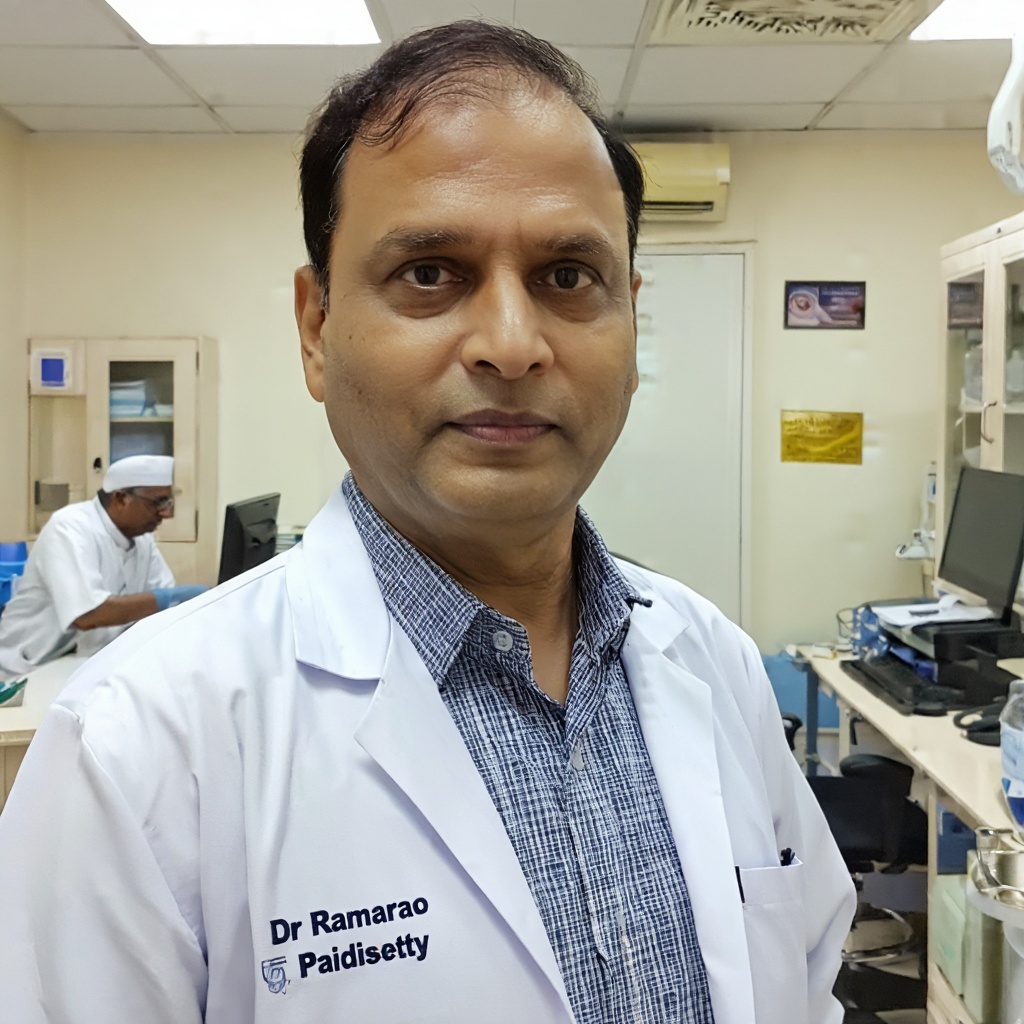
Dr Ramarao Paidisetty
Consultant Biochemist · Reg: 21504
Last reviewed: September 7, 2026
Overview
The purpose of this test is to identify the chemical composition of a urinary or kidney stone so that clinicians can determine underlying metabolic risk factors, choose the correct treatment strategy, and recommend effective preventive measures.
- Test Code
- 3674
- CPT Code
- 82318
- ICD Code
- N20.0
- Price
- ₹1,229
- Sample Type
- Stone (s)
- Result Time
- Samples received Monday to Saturday before 9 am are reported by the next day.
- Fasting Required
- No
- Method
- FTIR (Fourier Transform Infrared Spectroscopy), Digital Photography
Sample Collection
No special preparation required. Collect the stone in a clean, dry, screw-capped container.
Method: Patient collects passed stone in the provided container; surgically retrieved stone may also be sent for analysis.
Laboratory Analysis
Pass urine through a strainer or collect the stone directly into a clean container. Do not mix toilet paper or tissue with the sample.
Report Delivery
Close the container tightly and label it. Keep it at room temperature or refrigerate until transport to the laboratory.
Timeline: Samples received Monday to Saturday before 9 am are reported by the next day.
Patient Instructions
About This Test
Who Should Get This Test
The purpose of this test is to identify the chemical composition of a urinary or kidney stone so that clinicians can determine underlying metabolic risk factors, choose the correct treatment strategy, and recommend effective preventive measures.
How to Prepare
- Collect the stone exactly as advised by your doctor.
- Use a clean, dry, screw-capped container.
- Do not mix urine, tissue, or toilet paper with the stone.
- Label the container with patient name and collection date.
- If the stone was passed during urination, drain urine through a strainer to catch it.
- Transport the sample at room temperature or refrigerated.
Doctor's Notes
Reviewed by Dr Ramarao Paidisetty — MBBS, MD (Biochemistry) · Reg. No. 21504
"In recurrent stone formers, stone composition is one of the most clinically useful clues for deciding whether the priority is dietary modification, hydration, medication, or a detailed metabolic workup."
Last medically reviewed: September 7, 2026
Test Parameters & Specifications
Sample Stability
- Sample received in a formalin or chemical-containing container
- Sample mixed with faecal material or other tissue
- Insufficient stone material for FTIR analysis
- Unlabelled sample or incomplete patient details
Understanding Your Results
Seek urgent medical care if you have high fever, uncontrollable pain, vomiting, or inability to pass urine. Discuss the stone analysis report with your nephrologist or urologist for a complete prevention plan.
Limitations
- ⚠A single stone analysis may not reflect all metabolic abnormalities; further workup may be needed
- ⚠Very small stones may not provide sufficient material for full FTIR analysis
- ⚠FTIR identifies mineral composition but does not by itself diagnose the underlying cause of stone formation
Risks & Considerations
- ●No significant physical risk is associated with submitting a stone sample.
- ●If the stone has not yet passed, medical consultation is required for symptomatic management and further imaging.
Interfering Factors
- ●Contamination with urine crystals, blood or toilet paper
- ●Inadequate sample quantity
- ●Storing stone in formalin or other preservatives
- ●Mixing multiple stones from different patients or episodes
Frequently Asked Questions
What is the Stone Analysis with Picture test?
Why is stone analysis important after passing a kidney stone?
How is the stone sample collected?
Do I need to fast before the test?
What does FTIR mean?
Can this test detect all types of kidney stones?
How long does it take to get reports?
Is the test painful?
What is the cost of the Stone Analysis with Picture test?
Why is a picture of the stone included?
What preparation is required before the test?
Can this test help prevent future kidney stones?
Related Tests
Reference Laboratory Services
We serve as a reference laboratory for hospitals and clinics across India. Send samples from your facility with same-day pickup, priority processing, and results delivered through our online portal. Competitive institutional pricing available.
Your Data Privacy
Your medical data is protected under Indian law.
✓ Stored in India: All patient records are stored on servers located in India. No data is transferred outside the country.
✓ DPDP Act Compliant: Under the Digital Personal Data Protection Act 2023, you can request deletion of your records at any time by contacting support.
Book Your Test
Enter your details and we'll connect you within 15 minutes.