
ZDHHC17 Gene Huntington disease, ZDHHC17 related NGS Genetic Test
Short Name: ZDHHC17 NGS Genetic Test
Also known as: ZDHHC17 gene sequencing, ZDHHC17-related Huntington disease genetic test, Huntington disease NGS panel for ZDHHC17
ZDHHC17 Gene Huntington disease, ZDHHC17 related NGS Genetic Test test available at DNA Labs India for ₹20,000. Uses Next Generation Sequencing (NGS) for ZDHHC17 gene, Sanger sequencing validation for detected variants on Blood or Extracted DNA or One drop Blood on FTA Card samples. Results in Reports are available in 3 to 4 weeks from the date of sample receipt. Raw data files (FASTQ, VCF) are also provided alongside the clinical report.. Free home collection in 300+ cities across India.

🩺 Medically Reviewed By
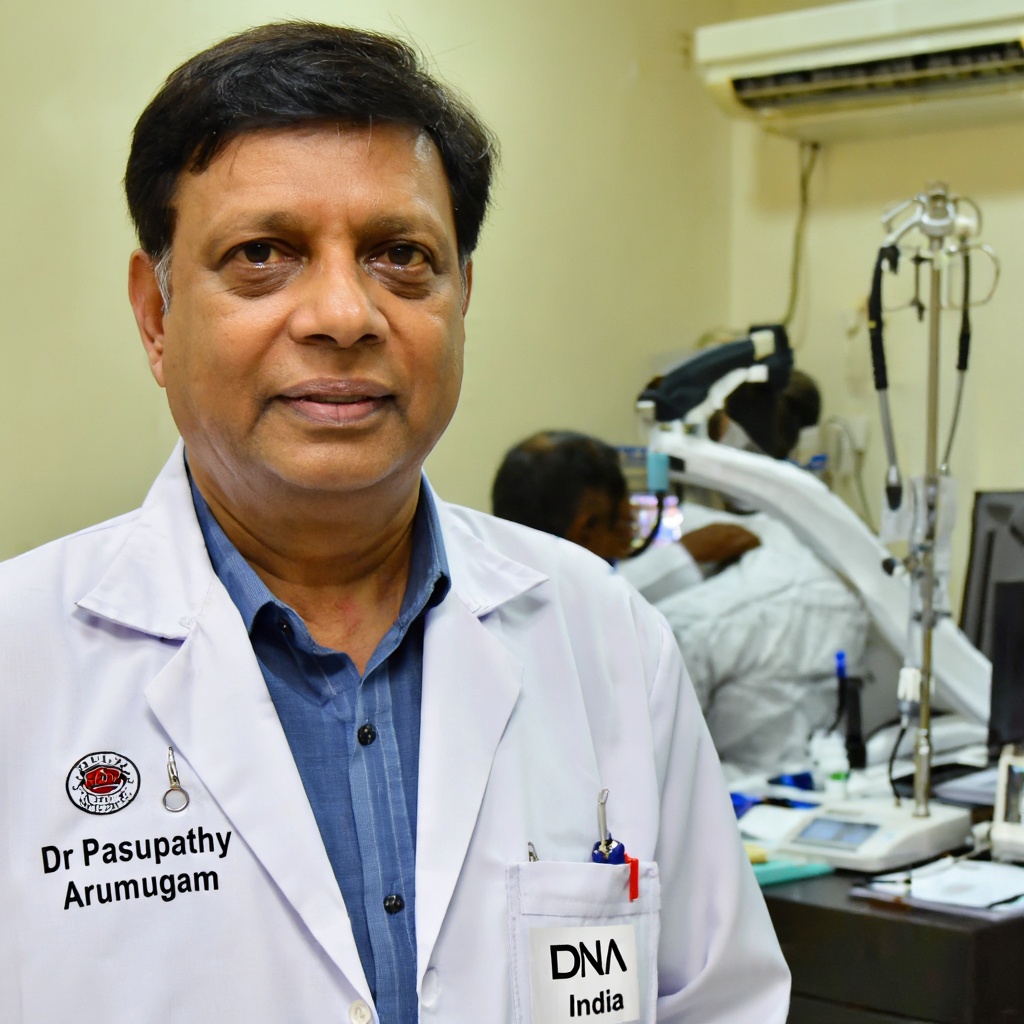
Dr Pasupathy Arumugam
Consultant Pathologist · Reg: 21521
Last reviewed: September 7, 2026
Overview
The purpose of this test is to identify pathogenic or likely pathogenic sequence variants in the ZDHHC17 gene that may be associated with Huntington disease-like phenotype. It aids clinicians in establishing a molecular diagnosis, enabling proper genetic counseling, targeted treatment planning, and informed reproductive choices.
- Test Code
- 4132
- ICD Code
- G10
- Price
- ₹20,000
- Sample Type
- Blood or Extracted DNA or One drop Blood on FTA Card
- Result Time
- Reports are available in 3 to 4 weeks from the date of sample receipt. Raw data files (FASTQ, VCF) are also provided alongside the clinical report.
- Fasting Required
- No
- Method
- Next Generation Sequencing (NGS) for ZDHHC17 gene, Sanger sequencing validation for detected variants
Sample Collection
No special preparation is needed. Patients are advised to bring any prior genetic test reports and a valid identity proof. A pre-test genetic counseling session is recommended and is included as part of this test.
Method: Peripheral venipuncture or dried blood spot collection
Laboratory Analysis
A trained phlebotomist will collect a blood sample from a vein in the arm. The procedure takes approximately 5 minutes. Alternatively, a one-drop blood sample may be collected on an FTA card for dry blood spot testing.
Report Delivery
There are no activity restrictions after sample collection. Patients may resume normal daily activities immediately. The sample will be transported to the laboratory for NGS analysis.
Timeline: Reports are available in 3 to 4 weeks from the date of sample receipt. Raw data files (FASTQ, VCF) are also provided alongside the clinical report.
Patient Instructions
About This Test
Who Should Get This Test
The purpose of this test is to identify pathogenic or likely pathogenic sequence variants in the ZDHHC17 gene that may be associated with Huntington disease-like phenotype. It aids clinicians in establishing a molecular diagnosis, enabling proper genetic counseling, targeted treatment planning, and informed reproductive choices.
How to Prepare
- Blood sample should be collected using EDTA vacutainer for whole blood
- If using FTA card, fill the circle completely with blood
- For extracted DNA, ensure sufficient quantity (500 ng–2 µg) with integrity
- Label the sample with patient name, unique ID, and date of collection
Doctor's Notes
Reviewed by Dr Pasupathy Arumugam — MBBS, MD (Pathology) · Reg. No. 21521
"Genetic counseling is strongly recommended before and after this test, especially for presymptomatic testing and family planning discussions."
Last medically reviewed: September 7, 2026
Test Parameters & Specifications
Sample Stability
- Hemolyzed or clotted blood sample
- Incorrectly labeled sample
- Sample in sodium fluoride or other non-recommended anticoagulant
- FTA card not air-dried or contaminated
Understanding Your Results
Negative: No pathogenic variant detected
The ZDHHC17 gene is not found to carry a disease-causing variant. This does not rule out HTT-repeat expansion or other genetic causes of Huntington disease-like phenotypes.
Positive: Pathogenic or likely pathogenic variant detected
The detected ZDHHC17 variant is associated with an increased risk/development of ZDHHC17-related neurological disease. Genetic counseling and family cascade testing are recommended.
Variant of Uncertain Significance (VUS)
A variant was found but its clinical significance is not yet established. Functional studies and familial segregation analysis may help clarify.
If you or a family member are experiencing unexplained chorea, muscle jerking, progressive cognitive decline, or mood changes, consult a neurologist. Also consult a genetic counselor for accurate interpretation of test results and to discuss the implications of a positive result.
Limitations
- ⚠This test only analyzes the ZDHHC17 gene and does not detect HTT CAG repeat expansions
- ⚠Mutations in regulatory regions (deep intronic or promoter regions) may not be identified
- ⚠Large structural rearrangements, though rare, may not be resolved by NGS alone
- ⚠A negative result does not completely exclude the diagnosis of Huntington disease, as other genes may be involved
Risks & Considerations
- ●Any blood draw carries a minimal risk of bruising, bleeding, or infection at the puncture site
- ●The main risk is informational: the result may identify an inherited genetic condition, potentially causing psychological or familial distress
- ●There is a low risk of incidental findings if other genes are analyzed in a broader panel, though this test is targeted to ZDHHC17
Interfering Factors
- ●Inadequate DNA quality from the sample can affect sequencing success
- ●Contamination with maternal DNA in prenatal samples may interfere with the result
- ●The presence of homologous pseudogenes could affect alignment, though bioinformatics filters are applied
- ●Rare deep intronic variants not covered by standard NGS may be missed
Compare With Similar Tests
| Test | ZDHHC17 Gene Huntington disease, ZDHHC17 related NGS Genetic Test | ||||
|---|---|---|---|---|---|
| Comparison | ZDHHC17 Gene Huntington disease, ZDHHC17 related NGS Genetic Test |
Frequently Asked Questions
What is the ZDHHC17 gene?
How is ZDHHC17 related to Huntington disease?
Who should consider this genetic test?
What is NGS technology?
What sample is required for this test?
Is fasting required before the ZDHHC17 genetic test?
How long does it take to get the reports?
Can this test diagnose typical Huntington disease?
What does a positive result mean?
What does a negative result mean?
Is genetic counseling recommended before taking this test?
What is the cost of the ZDHHC17 NGS genetic test?
Related Tests
Angelman Syndrome Test
₹10,000Duchenne / Becker Muscular Dystrophy (DMD / BMD) Gene Mutation Test
₹14,000Episodic Ataxia Type 1 Hotspot Test
₹11,500Episodic Ataxia Comprehensive Profile Hotspot Test
₹16,000Megalencephalic Leukoencephalopathy with Subcortical Cysts Van Der Knaap and Nalband MLC Gene Hotspot Mutation Test
₹7,500Analyzer 18 SMA 18 Test Panel
₹1,755Reference Laboratory Services
We serve as a reference laboratory for hospitals and clinics across India. Send samples from your facility with same-day pickup, priority processing, and results delivered through our online portal. Competitive institutional pricing available.
Your Data Privacy
Your medical data is protected under Indian law.
✓ Stored in India: All patient records are stored on servers located in India. No data is transferred outside the country.
✓ DPDP Act Compliant: Under the Digital Personal Data Protection Act 2023, you can request deletion of your records at any time by contacting support.
Book Your Test
Enter your details and we'll connect you within 15 minutes.