
Bacterial 16S rRNA V3- V4 Amplicon Sequencing and Analysis Test
Short Name: 16S rRNA V3-V4 Sequencing
Also known as: 16S rRNA Gene Sequencing, Bacterial Amplicon Sequencing, Microbiome Analysis
Bacterial 16S rRNA V3- V4 Amplicon Sequencing and Analysis Test test available at DNA Labs India for ₹10,000. Uses 16S rRNA V3-V4 amplicon sequencing, Next-Generation Sequencing (NGS) on Extracted DNA samples. Results in Results are typically available within 8 weeks from sample receipt. You will be notified via email/SMS when your report is ready.. Free home collection in 300+ cities across India.

🩺 Medically Reviewed By
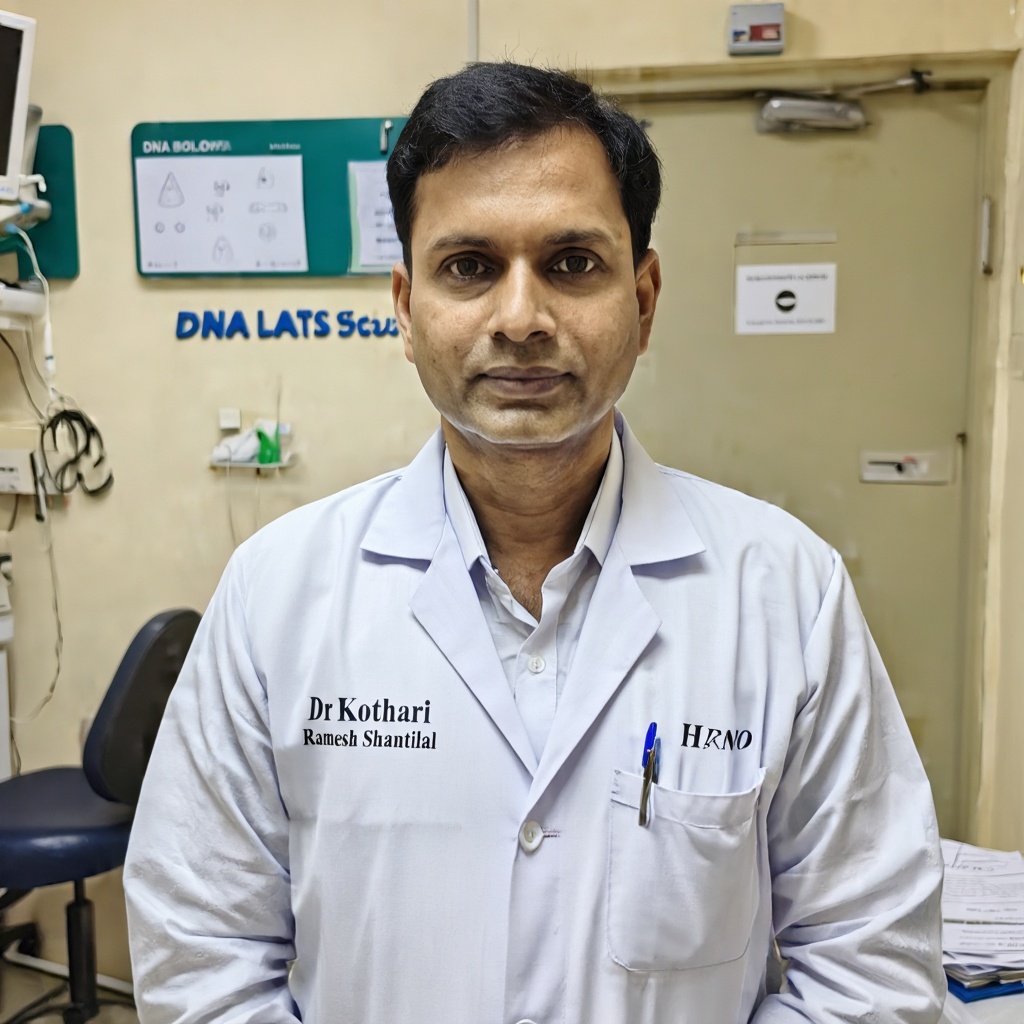
Dr Kothari Ramesh Shantilal
Consultant Microbiologist · Reg: 27670
Last reviewed: September 7, 2026
Overview
The primary purpose of this test is to identify bacterial species present in a clinical sample by analyzing the 16S rRNA gene's V3-V4 region. It helps in diagnosing bacterial infections, especially when conventional culture methods fail or are inconclusive. The test also provides insights into the bacterial community structure, which can be crucial for understanding polymicrobial infections, monitoring treatment response, and guiding antimicrobial stewardship.
- Test Code
- 6336
- CPT Code
- N/A
- ICD Code
- N/A
- Price
- ₹10,000
- Sample Type
- Extracted DNA
- Result Time
- Results are typically available within 8 weeks from sample receipt. You will be notified via email/SMS when your report is ready.
- Fasting Required
- No
- Method
- 16S rRNA V3-V4 amplicon sequencing, Next-Generation Sequencing (NGS)
Sample Collection
No special preparation is required. However, if the sample is being collected at a clinic, inform your healthcare provider about any recent antibiotic use, as it may affect bacterial detection.
Method: DNA extraction from clinical specimen (e.g., tissue, fluid, swab) performed at lab
Laboratory Analysis
The sample (e.g., tissue, fluid, swab) will be collected by a healthcare professional. For home collection, our trained phlebotomist will visit your location. Ensure the sample is handled aseptically to avoid contamination.
Report Delivery
The sample will be transported to our laboratory for DNA extraction and sequencing. You can track the status of your test online. Results will be available within 8 weeks and shared via email/portal.
Timeline: Results are typically available within 8 weeks from sample receipt. You will be notified via email/SMS when your report is ready.
Patient Instructions
About This Test
Who Should Get This Test
The primary purpose of this test is to identify bacterial species present in a clinical sample by analyzing the 16S rRNA gene's V3-V4 region. It helps in diagnosing bacterial infections, especially when conventional culture methods fail or are inconclusive. The test also provides insights into the bacterial community structure, which can be crucial for understanding polymicrobial infections, monitoring treatment response, and guiding antimicrobial stewardship.
How to Prepare
- Sample must be collected in a sterile container
- Avoid touching the collection site with bare hands
- If the sample is a swab, use the provided transport medium
- Label the container with patient ID and date of collection
- Transport the sample to the lab within 24 hours if not processed immediately
Doctor's Notes
Reviewed by Dr Kothari Ramesh Shantilal — MBBS, MD (Microbiology) · Reg. No. 27670
"16S rRNA sequencing is invaluable for identifying fastidious or unculturable bacteria, guiding targeted antimicrobial therapy in complex infections."
Last medically reviewed: September 7, 2026
Test Parameters & Specifications
Sample Stability
- Insufficient DNA quantity (< 1 µg)
- Degraded DNA (e.g., repeated freeze-thaw)
- Sample not labeled correctly
- Improper storage or transport conditions
- Contaminated sample (e.g., visible blood in swab)
Understanding Your Results
Likely causative pathogen; guide targeted therapy
Clinical action: Consider antibiotic susceptibility testing if needed
Polymicrobial infection or normal flora; correlate with clinical context
Clinical action: Assess for pathogenic potential of each species
May indicate non-bacterial etiology or low bacterial load
Clinical action: Consider other diagnostic tests (e.g., fungal, viral)
High clinical significance; initiate appropriate antimicrobial therapy
Clinical action: Consult infectious disease specialist
Consult your healthcare provider if you have persistent symptoms of infection, or if your test results show a pathogenic organism that requires treatment. Early intervention can prevent complications.
Limitations
- ⚠Cannot distinguish between live and dead bacteria
- ⚠May not provide antibiotic susceptibility information
- ⚠Species-level identification may be limited for some genera (e.g., Mycobacterium)
- ⚠Requires sufficient bacterial DNA; low biomass samples may yield inconclusive results
- ⚠Not a substitute for culture-based methods in all cases
Risks & Considerations
- ●Minimal risk of bleeding or infection at the sample collection site
- ●No radiation exposure
- ●Rare possibility of inconclusive results due to low bacterial load
Interfering Factors
- ●Contamination with non-target bacterial DNA during sample collection or processing
- ●Low DNA quantity or quality in the extracted sample
- ●Presence of PCR inhibitors (e.g., heme, humic acid)
- ●Mixed infections with closely related species may require additional analysis
- ●Bioinformatics database limitations for rare or novel species
Compare With Similar Tests
| Test | Bacterial 16S rRNA V3- V4 Amplicon Sequencing and Analysis | ||||
|---|---|---|---|---|---|
| Comparison | Bacterial 16S rRNA V3- V4 Amplicon Sequencing and Analysis |
Frequently Asked Questions
What is the cost of Bacterial 16S rRNA V3-V4 Amplicon Sequencing and Analysis?
What is the sample type required for this test?
How long does it take to get results?
Is fasting required before the test?
Can this test detect all types of bacteria?
Is home sample collection available?
What is the difference between 16S rRNA V3-V4 sequencing and full 16S rRNA sequencing?
Can this test determine antibiotic resistance?
What should I do if my symptoms persist after the test?
Are there any risks associated with the test?
How should I prepare for the test?
Is the test covered by insurance?
Related Tests
FCGR2B Gene Malaria, resistance to NGS Genetic Test
₹20,000ICAM1 Gene Malaria, cerebral, susceptibility to NGS Genetic Test
₹20,000ITS Sequencing
₹5,600IL12RB2 Gene Atypical Mycobacterial infection, IL12RB2 related NGS Genetic Test
₹20,000Parvovirus B19 Qualitative PCR Test
₹5,000Respiratory Panel 5 Test
₹4,500Reference Laboratory Services
We serve as a reference laboratory for hospitals and clinics across India. Send samples from your facility with same-day pickup, priority processing, and results delivered through our online portal. Competitive institutional pricing available.
Your Data Privacy
Your medical data is protected under Indian law.
✓ Stored in India: All patient records are stored on servers located in India. No data is transferred outside the country.
✓ DPDP Act Compliant: Under the Digital Personal Data Protection Act 2023, you can request deletion of your records at any time by contacting support.
Book Your Test
Enter your details and we'll connect you within 15 minutes.