
Cattle Genome Sequencing-30X Test
Short Name: Cattle Genome Seq 30X
Also known as: Bovine Whole Genome Sequencing, Cattle WGS 30X
Cattle Genome Sequencing-30X Test test available at DNA Labs India for ₹185,000. Uses Next-Generation Sequencing (NGS), Whole Genome Sequencing on Extracted DNA samples. Results in Results are typically available within 5 weeks from the date of sample receipt. You will be notified via email or SMS when the report is ready.. Free home collection in 300+ cities across India.

🩺 Medically Reviewed By
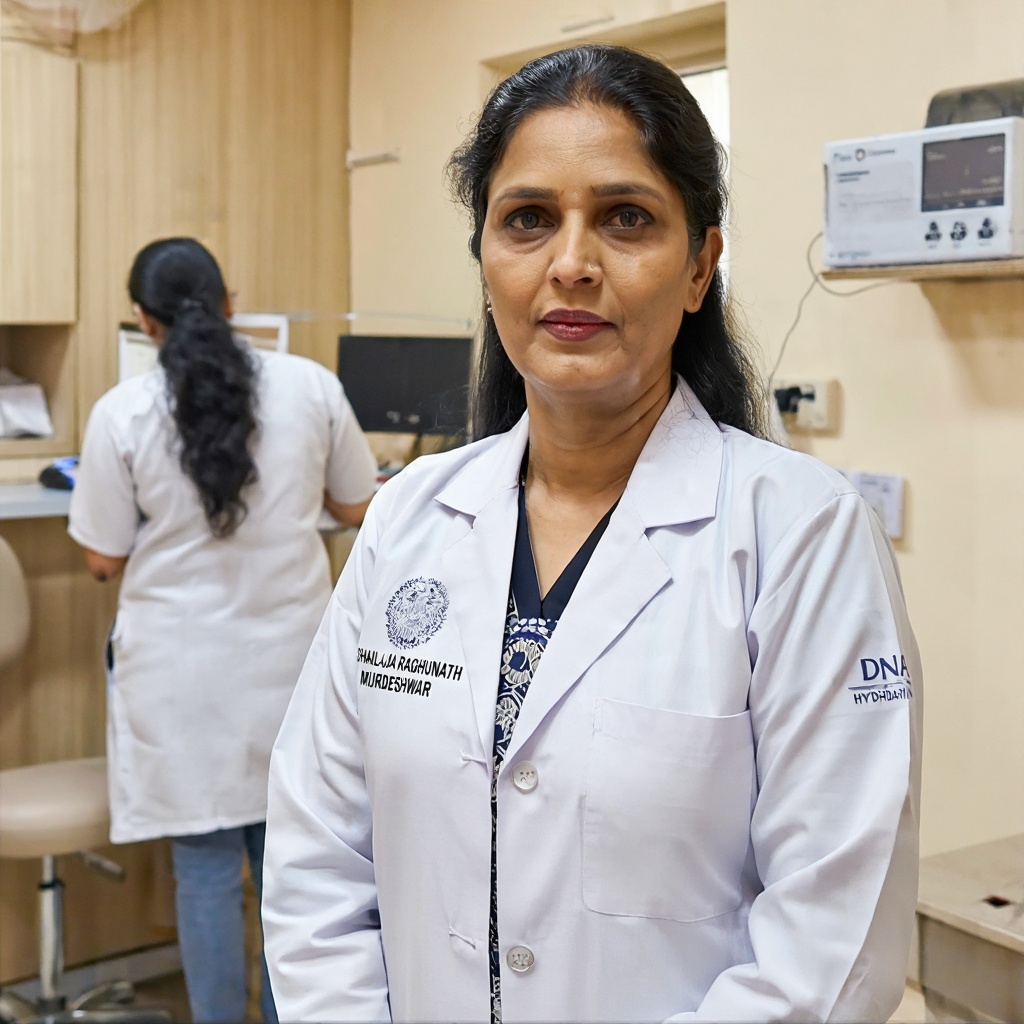
Dr SHAILAJA RAGHUNATH MURDESHWAR
Consultant Physician · Reg: 8052
Last reviewed: September 7, 2026
Overview
The primary purpose of cattle genome sequencing is to provide a complete genetic profile of an individual animal. This information is used to identify genetic mutations associated with inherited diseases, assess carrier status for recessive disorders, and understand the genetic basis of desirable traits such as milk production, growth rate, and disease resistance. It also aids in parentage verification and genomic selection, enabling breeders to make precise breeding decisions that enhance herd genetics over generations. Additionally, the test can reveal susceptibility to certain diseases, allowing for proactive management and preventive care. Ultimately, the goal is to improve the overall health, productivity, and profitability of cattle operations.
- Test Code
- 6364
- CPT Code
- 81435
- ICD Code
- Z13.9
- Price
- ₹185,000
- Sample Type
- Extracted DNA
- Result Time
- Results are typically available within 5 weeks from the date of sample receipt. You will be notified via email or SMS when the report is ready.
- Fasting Required
- No
- Method
- Next-Generation Sequencing (NGS), Whole Genome Sequencing
Sample Collection
No special preparation is required. Ensure the animal is properly restrained for sample collection. Inform the veterinarian about any medications or supplements the animal is receiving.
Method: Blood or tissue sample
Laboratory Analysis
A blood sample is drawn from the jugular vein or a tissue sample (e.g., ear notch) is collected using a sterile technique. The sample is placed in the provided collection tube and labeled correctly.
Report Delivery
The sample should be transported to the laboratory as soon as possible. If there is a delay, store the sample at 2-8°C for up to 72 hours. Avoid freezing the sample unless specified.
Timeline: Results are typically available within 5 weeks from the date of sample receipt. You will be notified via email or SMS when the report is ready.
Patient Instructions
About This Test
Who Should Get This Test
The primary purpose of cattle genome sequencing is to provide a complete genetic profile of an individual animal. This information is used to identify genetic mutations associated with inherited diseases, assess carrier status for recessive disorders, and understand the genetic basis of desirable traits such as milk production, growth rate, and disease resistance. It also aids in parentage verification and genomic selection, enabling breeders to make precise breeding decisions that enhance herd genetics over generations. Additionally, the test can reveal susceptibility to certain diseases, allowing for proactive management and preventive care. Ultimately, the goal is to improve the overall health, productivity, and profitability of cattle operations.
How to Prepare
- Use sterile equipment to avoid contamination
- Collect at least 2-5 µg of DNA or 2-3 ml of blood
- Label the sample with animal ID and date
- Transport in a leak-proof container
- Maintain cold chain if required
Doctor's Notes
Reviewed by Dr SHAILAJA RAGHUNATH MURDESHWAR — MBBS, MD (General Medicine) · Reg. No. 8052
"Genomic sequencing empowers cattle breeders to make data-driven decisions, improving herd health and productivity."
Last medically reviewed: September 7, 2026
Test Parameters & Specifications
Sample Stability
- Hemolyzed blood sample
- Insufficient quantity
- Improper labeling
- Sample not received in appropriate container
Understanding Your Results
Pathogenic variant in a disease-associated gene
Animal may be affected or at risk for the disorder
Recommendation: Consult veterinarian for management and breeding decisions
Carrier status for a recessive disorder
Animal is healthy but can pass the mutation to offspring
Recommendation: Avoid breeding with another carrier to prevent affected offspring
Presence of favorable production trait markers
Animal has genetic potential for high milk yield or growth
Recommendation: Utilize in breeding programs to enhance herd genetics
No significant variants detected
No known genetic issues identified
Recommendation: Continue routine health monitoring
If the test identifies a genetic mutation associated with a disease, or if you have concerns about your herd's health, consult a veterinarian or animal geneticist for further guidance.
Limitations
- ⚠Results are for research and informational purposes; not a substitute for veterinary clinical diagnosis
- ⚠May not detect all possible genetic variants due to reference genome limitations
- ⚠Interpretation may require expert genetic counseling
- ⚠Not intended for human diagnostic use
Risks & Considerations
- ●Minimal risk of bleeding or infection at the collection site
- ●Stress to the animal during handling
- ●No direct health risks from the test itself
Interfering Factors
- ●Poor quality or degraded DNA sample
- ●Contamination with foreign DNA
- ●Incomplete sample labeling
- ●Insufficient DNA quantity
Compare With Similar Tests
| Test | Cattle Genome Sequencing-30X | Cattle Microarray (SNP Chip) | Cattle Exome Sequencing | Cattle Whole Genome Sequencing (10X) |
|---|---|---|---|---|
| Comparison | Cattle Genome Sequencing-30X |
Frequently Asked Questions
What is cattle genome sequencing?
Why is 30X coverage important?
What sample is required for the test?
How long does it take to get results?
What is the cost of the test?
Can this test identify genetic diseases?
Is home sample collection available?
What is the difference between 10X and 30X sequencing?
Can this test be used for breeding decisions?
Are there any risks to the animal?
How should the sample be transported?
Is the test NABL accredited?
Related Tests
Reference Laboratory Services
We serve as a reference laboratory for hospitals and clinics across India. Send samples from your facility with same-day pickup, priority processing, and results delivered through our online portal. Competitive institutional pricing available.
Your Data Privacy
Your medical data is protected under Indian law.
✓ Stored in India: All patient records are stored on servers located in India. No data is transferred outside the country.
✓ DPDP Act Compliant: Under the Digital Personal Data Protection Act 2023, you can request deletion of your records at any time by contacting support.
Book Your Test
Enter your details and we'll connect you within 15 minutes.