
Cultured Mold Antifungal Drug Sensitivity (DST) Test
Short Name: Mold DST Test
Also known as: Antifungal Susceptibility Testing for Molds, Mold Sensitivity Test
Cultured Mold Antifungal Drug Sensitivity (DST) Test test available at DNA Labs India for ₹15,000. Uses Micro-broth Dilution Method on Pure Growth of Mold on appropriate media samples. Results in 7 days. Free home collection in 300+ cities across India.

🩺 Medically Reviewed By
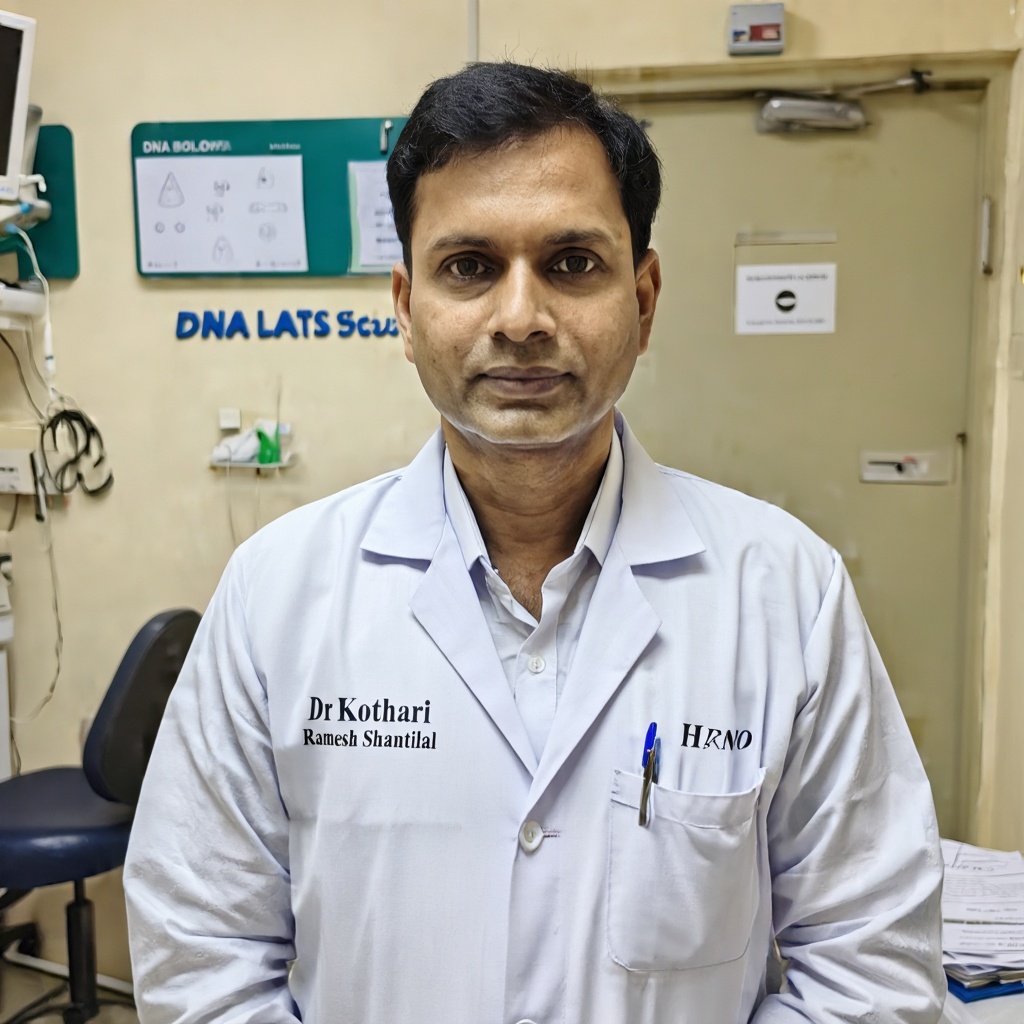
Dr Kothari Ramesh Shantilal
Consultant Microbiologist · Reg: 27670
Last reviewed: September 7, 2026
Overview
To determine the susceptibility of mold isolates to various antifungal drugs, guiding targeted therapy and improving treatment efficacy for mold infections.
- Test Code
- 453
- Price
- ₹15,000
- Sample Type
- Pure Growth of Mold on appropriate media
- Result Time
- 7 days
- Fasting Required
- No
- Method
- Micro-broth Dilution Method
Sample Collection
No special preparation required; ensure the mold sample is pure and properly cultured.
Method: Submission of culture specimen
Laboratory Analysis
Submit the mold culture in a sterile screw-capped container as instructed by your healthcare provider.
Report Delivery
Ship the sample refrigerated to the laboratory promptly to maintain stability.
Timeline: 7 days
Patient Instructions
About This Test
Who Should Get This Test
To determine the susceptibility of mold isolates to various antifungal drugs, guiding targeted therapy and improving treatment efficacy for mold infections.
How to Prepare
- Ensure the mold sample is a pure growth on appropriate media
- Use a sterile screw-capped container for submission
- Refrigerate the sample during transport, avoiding freezing
- Label the container with patient details and test information
Doctor's Notes
Reviewed by Dr Kothari Ramesh Shantilal — MBBS, MD (Microbiology) · Reg. No. 27670
"This test is crucial for identifying effective antifungal treatments, especially in resistant mold infections, and guides personalized therapy."
Last medically reviewed: September 7, 2026
Test Parameters & Specifications
Sample Stability
- Contaminated or mixed culture samples
- Improperly labeled or unlabeled containers
- Samples not stored or transported correctly
- Insufficient sample volume for testing
Understanding Your Results
Susceptible (S) suggests efficacy, Intermediate (I) may require higher doses, Resistant (R) indicates ineffectiveness.
S indicates good activity, I may need monitoring, R advises against use.
S is preferred for treatment, I requires caution, R recommends alternatives.
S is ideal for therapy, I may be used with dose adjustment, R is not recommended.
S supports use, I needs careful evaluation, R suggests resistance.
S is effective, I may have limited activity, R indicates resistance.
Consult your doctor if symptoms persist after treatment, if resistant strains are identified in the test results, or for any concerns about mold infection management.
Limitations
- ⚠Does not cover all possible antifungal agents
- ⚠Results may vary based on mold species and growth conditions
- ⚠Time-consuming process with a turnaround of 7 days
- ⚠Requires pure mold culture for accurate testing
Risks & Considerations
- ●No direct physical risks to the patient
- ●Potential for misinterpretation if not reviewed by experts
- ●Delays in reporting due to sample processing
Interfering Factors
- ●Contaminated sample with other microorganisms
- ●Improper storage or handling of the sample
- ●Delay in sample submission affecting viability
Compare With Similar Tests
| Test | Cultured Mold Antifungal Drug Sensitivity (DST) Test | Bacterial Antimicrobial Susceptibility Test | Fungal Culture and Identification | Blood Fungal Antigen Test |
|---|---|---|---|---|
| Comparison | Cultured Mold Antifungal Drug Sensitivity (DST) Test | While bacterial AST tests for bacteria, this mold DST specifically targets fungal isolates, offering tailored antifungal therapy. | This test identifies mold species, complementing DST by providing growth for sensitivity testing. | Antigen tests detect mold presence in blood, whereas DST determines drug susceptibility from cultured isolates. |
Frequently Asked Questions
What is the Cultured Mold DST Test?
Why is this test important?
What is the cost of the test?
How is the sample collected?
Is any preparation needed before the test?
How long does it take to get results?
What do the test results indicate?
Who should get this test?
Is home sample collection available?
What antifungal drugs are tested in this test?
How should the sample be stored before submission?
What if the test shows resistance to all drugs?
Related Tests
Reference Laboratory Services
We serve as a reference laboratory for hospitals and clinics across India. Send samples from your facility with same-day pickup, priority processing, and results delivered through our online portal. Competitive institutional pricing available.
Your Data Privacy
Your medical data is protected under Indian law.
✓ Stored in India: All patient records are stored on servers located in India. No data is transferred outside the country.
✓ DPDP Act Compliant: Under the Digital Personal Data Protection Act 2023, you can request deletion of your records at any time by contacting support.
Book Your Test
Enter your details and we'll connect you within 15 minutes.