
Fungal Genome De Novo Assembly and Annotation-Illumina Test
Short Name: Fungal Genome Assembly
Also known as: Fungal Whole Genome Sequencing, Fungal Genome Assembly and Annotation
Fungal Genome De Novo Assembly and Annotation-Illumina Test test available at DNA Labs India for ₹20,000. Uses Illumina Next-Generation Sequencing, De Novo Assembly, Gene Prediction and Annotation on Tissue biopsy, body fluid, culture isolate, or clinical specimen samples. Results in Results are typically available within 4 weeks after the sample reaches the laboratory.. Free home collection in 300+ cities across India.

🩺 Medically Reviewed By
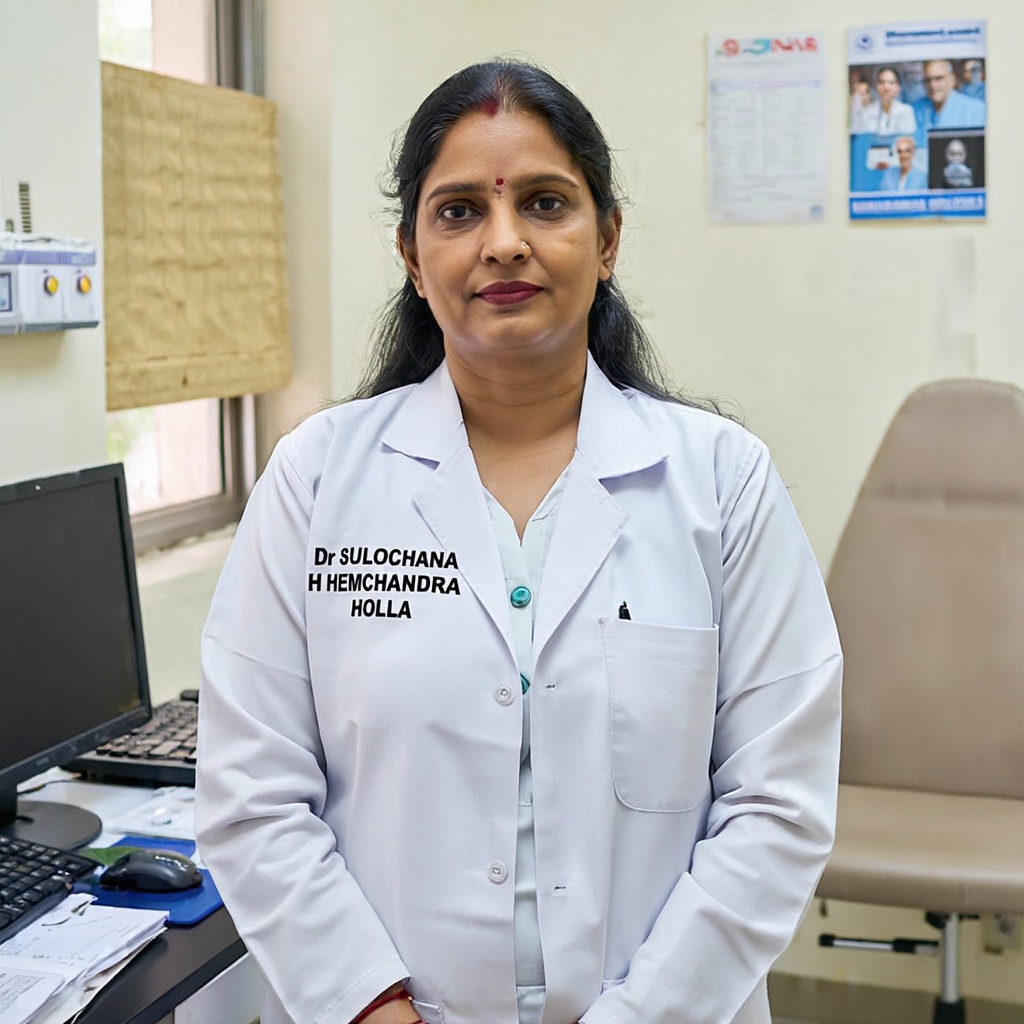
Dr SULOCHANA HEMCHANDRA HOLLA
Consultant Medical Geneticist · Reg: 8532
Last reviewed: September 7, 2026
Overview
The primary purpose of Fungal Genome De Novo Assembly and Annotation is to determine the complete genetic sequence of a fungal pathogen from a clinical sample. This allows for: 1) Definitive species identification, even for rare or non-culturable fungi. 2) Characterization of genetic elements associated with pathogenicity and drug resistance. 3) Phylogenetic analysis to understand transmission and outbreaks. 4) Discovery of novel genes and metabolic pathways. 5) Support for epidemiological surveillance and public health interventions. By providing a whole-genome view, this test surpasses targeted PCR or Sanger sequencing in resolution and comprehensiveness, making it invaluable for complex or treatment-refractory infections.
- Test Code
- 6385
- CPT Code
- 81479
- ICD Code
- B49
- Price
- ₹20,000
- Sample Type
- Tissue biopsy, body fluid, culture isolate, or clinical specimen
- Result Time
- Results are typically available within 4 weeks after the sample reaches the laboratory.
- Fasting Required
- No
- Method
- Illumina Next-Generation Sequencing, De Novo Assembly, Gene Prediction and Annotation
Sample Collection
No special preparation required. Inform your physician about any antifungal medications you are taking, as they may affect fungal load.
Method: Biopsy, aspiration, or swab by healthcare professional
Laboratory Analysis
Sample collection is performed by a trained healthcare professional. For tissue biopsies, local anesthesia may be used. For fluid samples, a sterile needle aspiration is performed.
Report Delivery
The sample is placed in a sterile container and transported to the laboratory at appropriate temperature. You may resume normal activities immediately.
Timeline: Results are typically available within 4 weeks after the sample reaches the laboratory.
Patient Instructions
About This Test
Who Should Get This Test
The primary purpose of Fungal Genome De Novo Assembly and Annotation is to determine the complete genetic sequence of a fungal pathogen from a clinical sample. This allows for: 1) Definitive species identification, even for rare or non-culturable fungi. 2) Characterization of genetic elements associated with pathogenicity and drug resistance. 3) Phylogenetic analysis to understand transmission and outbreaks. 4) Discovery of novel genes and metabolic pathways. 5) Support for epidemiological surveillance and public health interventions. By providing a whole-genome view, this test surpasses targeted PCR or Sanger sequencing in resolution and comprehensiveness, making it invaluable for complex or treatment-refractory infections.
How to Prepare
- Use sterile, DNA-free containers
- Label the container with patient ID and collection date
- Transport samples to the lab within 24 hours at 2-8°C
- For culture isolates, provide pure culture on agar slant
- Avoid freezing tissue samples without cryoprotectant
Doctor's Notes
Reviewed by Dr SULOCHANA HEMCHANDRA HOLLA — MBBS, MD (Medical Genetics) · Reg. No. 8532
"Fungal genome sequencing provides definitive species identification, crucial for selecting targeted antifungal therapy and managing drug-resistant infections."
Last medically reviewed: September 7, 2026
Test Parameters & Specifications
Sample Stability
- Sample not labeled correctly
- Insufficient quantity
- Hemolyzed or clotted blood samples
- Sample received after prolonged transit time
- Evidence of contamination
Understanding Your Results
Candida auris is a multidrug-resistant pathogen requiring urgent infection control measures and targeted antifungal therapy.
May indicate azole resistance; consider alternative antifungal classes.
Indicates a high-quality assembly suitable for downstream analysis.
Suggests potential for invasive disease; monitor patient closely.
Consult your physician immediately if you have symptoms of a fungal infection, especially if you are immunocompromised, have undergone organ transplantation, or are on long-term immunosuppressive therapy. Early diagnosis and treatment are crucial.
Limitations
- ⚠De novo assembly may be fragmented for repetitive or complex genomes
- ⚠Annotation accuracy depends on existing reference databases
- ⚠Cannot detect epigenetic modifications
- ⚠Requires high-quality DNA; low biomass samples may fail
- ⚠Bioinformatics interpretation requires specialized expertise
Risks & Considerations
- ●Minimal risk of bleeding or infection at biopsy site
- ●Discomfort during sample collection
- ●Rare possibility of inconclusive results due to low fungal DNA
Interfering Factors
- ●Contamination with host DNA or other microorganisms
- ●Degraded DNA from improper sample handling
- ●Insufficient fungal DNA quantity
- ●Presence of PCR inhibitors
- ●Mixed infections with multiple fungal species
Compare With Similar Tests
| Test | Fungal Genome De Novo Assembly and Annotation-Illumina | Fungal Culture | PCR-based Assays | Sanger Sequencing |
|---|---|---|---|---|
| Comparison | Fungal Genome De Novo Assembly and Annotation-Illumina | Culture is the gold standard but can take weeks and may miss slow-growing or non-culturable fungi. Genome sequencing provides faster, species-level identification. | PCR targets specific genes and is rapid but limited to known targets. Whole genome sequencing is unbiased and can detect novel species. | Sanger sequencing of ITS region is common but may not resolve closely related species. Whole genome sequencing offers higher resolution. |
Frequently Asked Questions
What is the cost of Fungal Genome De Novo Assembly and Annotation?
What sample types are accepted for this test?
How long does it take to get results?
Is home sample collection available?
What is the difference between de novo assembly and re-sequencing?
Can this test detect antifungal resistance?
Is this test covered by insurance?
What is the turnaround time for the report?
Do I need to fast before the test?
Can this test be performed on a blood sample?
How accurate is the species identification?
Are there any risks associated with sample collection?
Related Tests
FCGR2B Gene Malaria, resistance to NGS Genetic Test
₹20,000ICAM1 Gene Malaria, cerebral, susceptibility to NGS Genetic Test
₹20,000ITS Sequencing
₹5,600IL12RB2 Gene Atypical Mycobacterial infection, IL12RB2 related NGS Genetic Test
₹20,000Parvovirus B19 Qualitative PCR Test
₹5,000Respiratory Panel 5 Test
₹4,500Reference Laboratory Services
We serve as a reference laboratory for hospitals and clinics across India. Send samples from your facility with same-day pickup, priority processing, and results delivered through our online portal. Competitive institutional pricing available.
Your Data Privacy
Your medical data is protected under Indian law.
✓ Stored in India: All patient records are stored on servers located in India. No data is transferred outside the country.
✓ DPDP Act Compliant: Under the Digital Personal Data Protection Act 2023, you can request deletion of your records at any time by contacting support.
Book Your Test
Enter your details and we'll connect you within 15 minutes.