
GRN Gene Ceroid lipofuscinosis neuronal type 11 NGS Genetic Test
Short Name: GRN CLN11 NGS Test
Also known as: GRN Gene Mutation Analysis, Progranulin Gene Sequencing, CLN11 Genetic Test, GRN-Related Neuronal Ceroid Lipofuscinosis Test, Frontotemporal Dementia GRN Gene Test
GRN Gene Ceroid lipofuscinosis neuronal type 11 NGS Genetic Test test available at DNA Labs India for ₹20,000. Uses Next-Generation Sequencing (NGS), Sanger Sequencing (for confirmation of select variants), Bioinformatics Analysis, ACMG Variant Classification on Blood or Extracted DNA or One drop Blood on FTA Card samples. Results in Results are typically available within 3 to 4 weeks from the date of sample receipt at the laboratory. Reports are delivered through our secure online portal, via email, and on WhatsApp for your convenience.. Free home collection in 300+ cities across India.

🩺 Medically Reviewed By
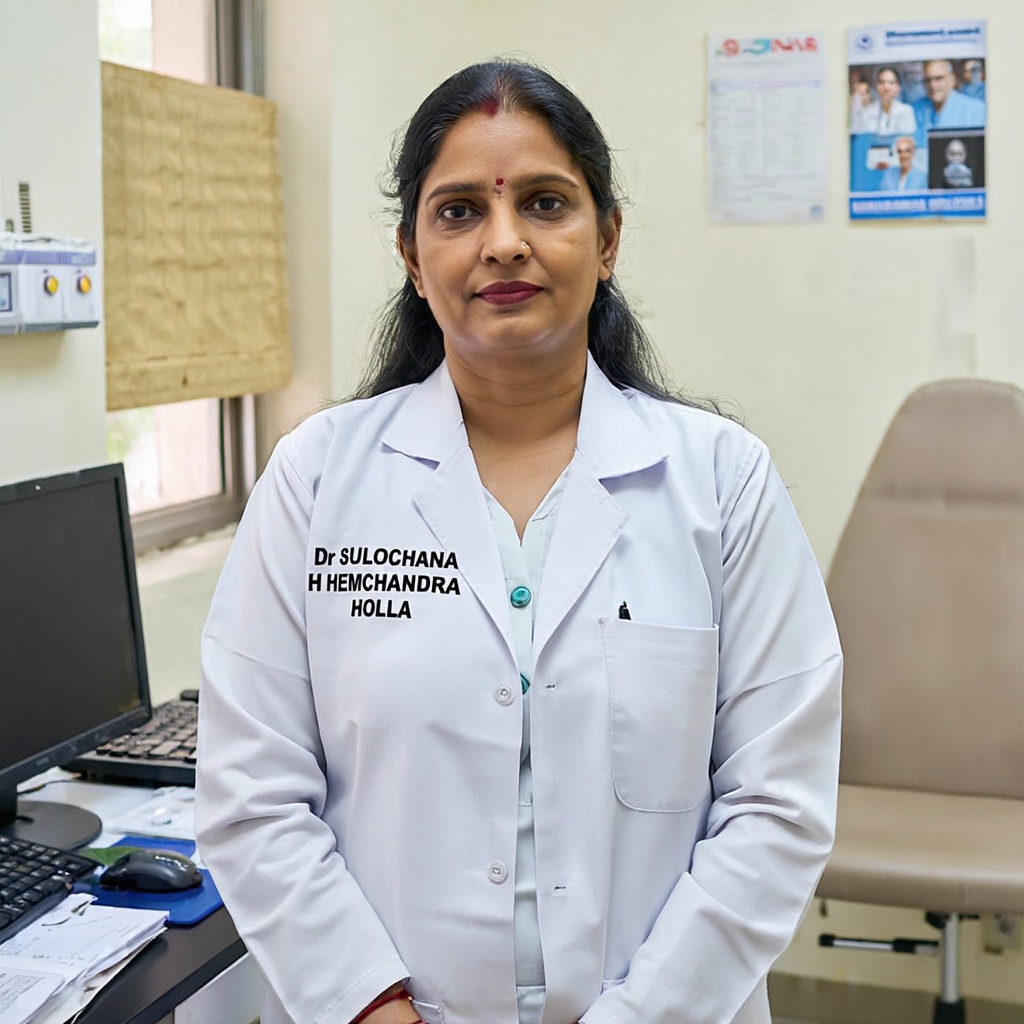
Dr SULOCHANA HEMCHANDRA HOLLA
Consultant Medical Geneticist · Reg: 8532
Last reviewed: September 7, 2026
Overview
The purpose of the GRN Gene Ceroid Lipofuscinosis Neuronal Type 11 NGS Genetic Test is to identify pathogenic or likely pathogenic mutations in the GRN gene that cause neuronal ceroid lipofuscinosis type 11 (CLN11). This test serves to confirm a clinical diagnosis in symptomatic individuals, enable predictive testing for at-risk family members, support genetic counseling and family planning, guide clinical management, and identify patients who may be eligible for emerging therapies or clinical trials targeting progranulin deficiency.
- Test Code
- 1914
- CPT Code
- 81406
- ICD Code
- E75.2
- Price
- ₹20,000
- Sample Type
- Blood or Extracted DNA or One drop Blood on FTA Card
- Result Time
- Results are typically available within 3 to 4 weeks from the date of sample receipt at the laboratory. Reports are delivered through our secure online portal, via email, and on WhatsApp for your convenience.
- Fasting Required
- No
- Method
- Next-Generation Sequencing (NGS), Sanger Sequencing (for confirmation of select variants), Bioinformatics Analysis, ACMG Variant Classification
Sample Collection
A pre-test genetic counseling session is mandatory to document the patient's clinical history, construct a pedigree chart of affected family members, and obtain informed consent. No fasting is required. Ensure that the patient has not received a blood transfusion within the past 4 weeks.
Method: Venipuncture
Laboratory Analysis
A 3-5 mL venous blood sample is collected in an EDTA (lavender-top) tube under aseptic conditions. Alternatively, a one-drop blood sample on an FTA card or previously extracted DNA may be submitted. Label the sample correctly with patient identifiers.
Report Delivery
Store the blood sample at ambient room temperature (15-30°C). Do not freeze whole blood. Transport the sample to the laboratory within 48 hours of collection. The sample undergoes DNA extraction, library preparation, NGS sequencing, bioinformatics analysis, and variant classification before the report is generated.
Timeline: Results are typically available within 3 to 4 weeks from the date of sample receipt at the laboratory. Reports are delivered through our secure online portal, via email, and on WhatsApp for your convenience.
Patient Instructions
About This Test
Who Should Get This Test
The purpose of the GRN Gene Ceroid Lipofuscinosis Neuronal Type 11 NGS Genetic Test is to identify pathogenic or likely pathogenic mutations in the GRN gene that cause neuronal ceroid lipofuscinosis type 11 (CLN11). This test serves to confirm a clinical diagnosis in symptomatic individuals, enable predictive testing for at-risk family members, support genetic counseling and family planning, guide clinical management, and identify patients who may be eligible for emerging therapies or clinical trials targeting progranulin deficiency.
How to Prepare
- Collect 3-5 mL of venous blood in an EDTA (Lavender Top) tube
- Do not use heparinized tubes as heparin can interfere with downstream molecular analysis
- Gently invert the tube 8-10 times after collection to ensure proper mixing with anticoagulant
- Label the tube clearly with patient name, date of birth, collection date, and unique identification number
- Store at ambient room temperature (15-30°C); do not refrigerate or freeze whole blood
- Transport to the laboratory within 48 hours of collection
- Alternatively, an FTA card with one drop of blood or extracted DNA may be used
- Ensure informed consent form and completed clinical history requisition form accompany the sample
Doctor's Notes
Reviewed by Dr SULOCHANA HEMCHANDRA HOLLA — MBBS, MD (Medical Genetics) · Reg. No. 8532
"GRN gene mutations are inherited in an autosomal dominant pattern. Genetic counseling is essential both before and after testing. A confirmed diagnosis allows at-risk family members to consider predictive testing and helps guide clinical management. Early identification of pathogenic GRN variants supports timely intervention and family planning decisions. Patients with a family history of frontotemporal dementia or neuronal ceroid lipofuscinosis should be offered cascade testing of first-degree relatives."
Last medically reviewed: September 7, 2026
Test Parameters & Specifications
Sample Stability
- Sample collected in heparin anticoagulant tube
- Hemolyzed, clotted, or insufficient sample volume
- Sample without proper labeling or identification
- Sample received without signed informed consent or clinical history form
- Blood sample older than 48 hours at time of receipt without prior arrangement
- Contaminated or leaking sample container
Understanding Your Results
A pathogenic variant in the GRN gene was identified. This confirms a molecular diagnosis of GRN-related neuronal ceroid lipofuscinosis type 11 (CLN11) or GRN-related frontotemporal dementia. The condition is inherited in an autosomal dominant pattern, meaning each first-degree relative has a 50% chance of carrying the same variant. Genetic counseling of family members is strongly recommended. Clinical management should be coordinated with a neurologist and geneticist.
Result type: Positive - Pathogenic Variant Detected
A likely pathogenic variant in the GRN gene was identified. This result strongly supports a diagnosis of CLN11 or GRN-related neurodegeneration, though further clinical correlation and family studies may be recommended. Cascade testing of at-risk relatives should be considered after genetic counseling.
Result type: Positive - Likely Pathogenic Variant Detected
A variant of uncertain significance was detected in the GRN gene. Current evidence is insufficient to classify this variant as pathogenic or benign. This result should not be used for clinical decision-making. Periodic re-analysis is recommended as new evidence may become available. Clinical correlation and family studies may help resolve the significance.
Result type: Variant of Uncertain Significance (VUS)
No pathogenic or likely pathogenic variants were identified in the GRN gene. This result reduces the likelihood of GRN-related CLN11 but does not exclude it entirely, as mutations in deep intronic, regulatory, or other genomic regions may not be detected by this test. If clinical suspicion remains high, additional genetic testing for other neuronal ceroid lipofuscinosis genes or alternative diagnostic evaluations should be considered.
Result type: Negative - No Pathogenic Variant Detected
You should consult a doctor or genetic specialist if you or a family member experience progressive memory loss, language difficulties, behavioral or personality changes, muscle weakness, coordination problems, or visual impairment that worsens over time. Additionally, consult a healthcare provider if there is a known family history of neuronal ceroid lipofuscinosis, frontotemporal dementia, or GRN gene mutations. A neurologist and/or clinical geneticist can help determine the appropriate diagnostic workup and management plan. After receiving test results, genetic counseling is strongly recommended to understand the implications for you and your family members.
Limitations
- ⚠This test does not detect large genomic rearrangements or deep intronic variants with certainty
- ⚠Variants of uncertain significance (VUS) may be identified and may require periodic re-analysis
- ⚠A negative result does not completely exclude a genetic etiology if mutations lie outside the targeted regions or involve regulatory elements
- ⚠This test is designed for the GRN gene only and does not screen for mutations in other CLN-associated genes
- ⚠Results should always be interpreted in the context of clinical findings and family history by a qualified geneticist
Risks & Considerations
- ●Minimal risk associated with blood draw: slight pain or bruising at the puncture site
- ●Possible identification of variants of uncertain significance (VUS) that may cause anxiety
- ●Potential psychological impact of receiving a positive diagnosis for a progressive neurodegenerative condition
- ●Risk of genetic discrimination, though protections exist under applicable privacy and genetic information laws in India
Interfering Factors
- ●Degraded or insufficient DNA quality due to improper sample storage or transport
- ●Blood sample contaminated with heparin anticoagulant (EDTA is preferred)
- ●Recent blood transfusion within the past 4 weeks may affect DNA analysis
- ●Inhibition of PCR amplification due to sample contaminants
Compare With Similar Tests
| Test | GRN Gene Ceroid lipofuscinosis neuronal type 11 NGS Genetic Test | Whole Exome Sequencing (WES) | Sanger Sequencing of GRN Gene | Chromosomal Microarray (CMA) |
|---|---|---|---|---|
| Comparison | GRN Gene Ceroid lipofuscinosis neuronal type 11 NGS Genetic Test | WES analyzes all protein-coding genes across the genome, while the GRN CLN11 test specifically targets the GRN gene with deeper coverage. The GRN-specific test is more cost-effective when clinical suspicion is focused on GRN-related disorders. | Sanger sequencing is a first-generation sequencing method that examines one exon at a time. NGS technology used in this test provides higher throughput, better coverage, and the ability to detect multiple variant types simultaneously with greater sensitivity. | CMA detects large copy number variations (deletions/duplications) across the genome but cannot identify single nucleotide variants or small indels within the GRN gene. NGS-based testing offers superior resolution for point mutation detection. |
Frequently Asked Questions
What is the GRN Gene Ceroid Lipofuscinosis Neuronal Type 11 NGS Genetic Test?
Who should consider getting the GRN CLN11 genetic test?
What sample is required for the GRN Gene NGS Genetic Test?
How much does the GRN Gene CLN11 NGS Genetic Test cost?
How long does it take to get the results of the GRN NGS Genetic Test?
What does a positive result mean for GRN Gene CLN11?
Is the GRN Gene CLN11 genetic test covered by insurance?
What is the difference between CLN11 and other types of neuronal ceroid lipofuscinosis?
Can the GRN CLN11 genetic test be used for prenatal testing?
What are the treatment options for GRN-related neuronal ceroid lipofuscinosis?
Is genetic counseling included with the GRN Gene CLN11 test?
How accurate is the NGS-based GRN Gene Genetic Test?
Related Tests
Huntington Disease Mutation Detection Test
₹8,000Myotonic Dystrophy Type 1 Test
₹8,500Nx Gen Sequencing: Duchenne & Becker Muscular Dystrophy Test
₹23,400Nx Gen Sequencing: Tuberous Sclerosis Complex Test
₹27,495MED25 Gene CMT2B2 NGS Genetic Test
₹20,000FLNA Gene Intestinal pseudoobstraction, neuronal NGS Genetic Test
₹20,000Reference Laboratory Services
We serve as a reference laboratory for hospitals and clinics across India. Send samples from your facility with same-day pickup, priority processing, and results delivered through our online portal. Competitive institutional pricing available.
Your Data Privacy
Your medical data is protected under Indian law.
✓ Stored in India: All patient records are stored on servers located in India. No data is transferred outside the country.
✓ DPDP Act Compliant: Under the Digital Personal Data Protection Act 2023, you can request deletion of your records at any time by contacting support.
Book Your Test
Enter your details and we'll connect you within 15 minutes.