
LOXHD1 Gene Deafness, autosomal recessive type 77 NGS Genetic Test
Short Name: LOXHD1 AR Deafness 77 NGS Test
Also known as: DFNB77 Genetic Test, LOXHD1 Mutation Analysis, LOXHD1 NGS Sequencing Test, Autosomal Recessive Deafness 77 DNA Test, LOXHD1 Gene Panel Test
LOXHD1 Gene Deafness, autosomal recessive type 77 NGS Genetic Test test available at DNA Labs India for ₹20,000. Uses Next-Generation Sequencing (NGS), Sanger Confirmation of Variants, Bioinformatics Pipeline Analysis, ACMG Variant Classification on Blood or Extracted DNA or One Drop Blood on FTA Card samples. Results in 3 to 4 Weeks from sample receipt at the laboratory. Free home collection in 300+ cities across India.

🩺 Medically Reviewed By
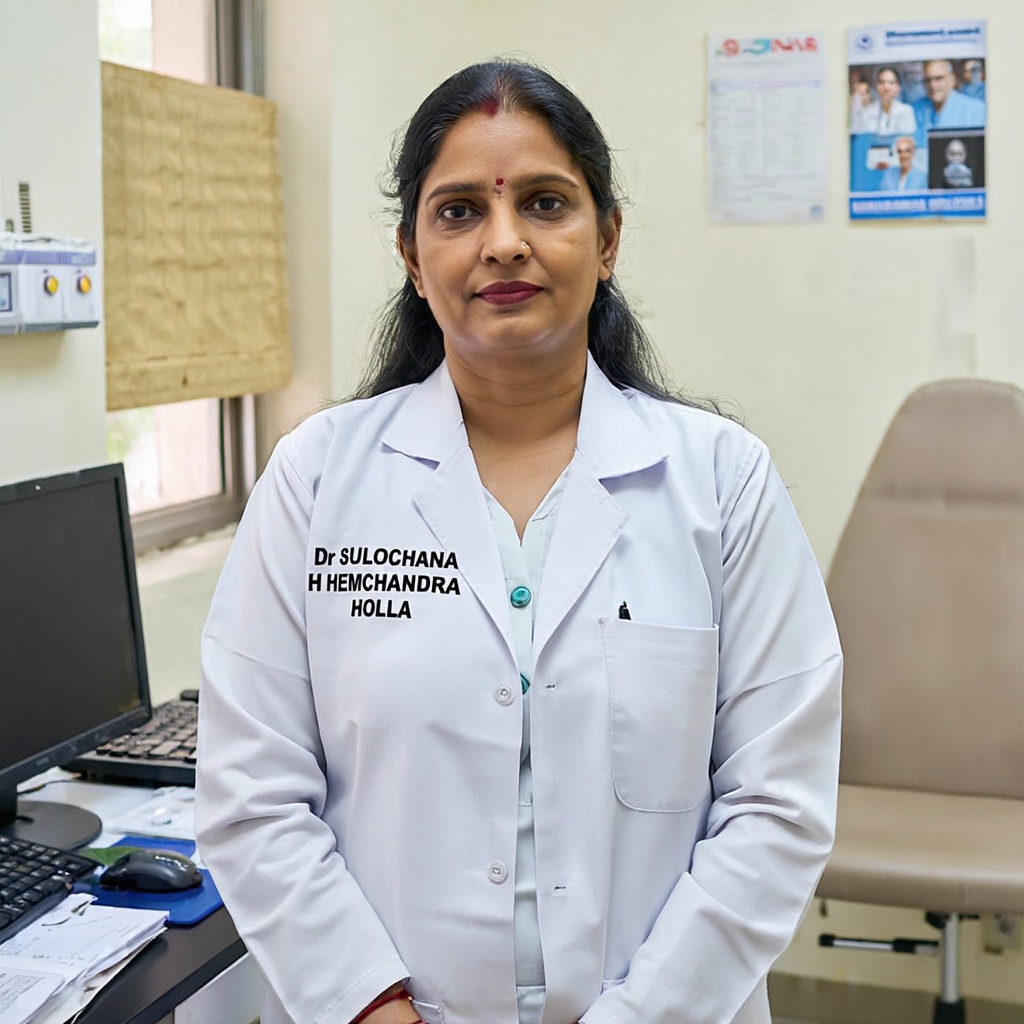
Dr SULOCHANA HEMCHANDRA HOLLA
Consultant Medical Geneticist · Reg: 8532
Last reviewed: September 7, 2026
Overview
The purpose of the LOXHD1 Gene Deafness autosomal recessive type 77 NGS Genetic Test is to identify pathogenic or likely pathogenic mutations in the LOXHD1 gene that cause non-syndromic autosomal recessive sensorineural hearing loss (DFNB77). This test aids in confirming a clinical diagnosis, differentiating LOXHD1-related deafness from other genetic and non-genetic causes of hearing loss, guiding treatment decisions such as hearing aid fitting or cochlear implant candidacy, enabling carrier testing for family members, and supporting informed genetic counselling and family planning.
- Test Code
- 4751
- CPT Code
- 81479
- ICD Code
- H90.3
- Price
- ₹20,000
- Sample Type
- Blood or Extracted DNA or One Drop Blood on FTA Card
- Result Time
- 3 to 4 Weeks from sample receipt at the laboratory
- Fasting Required
- No
- Method
- Next-Generation Sequencing (NGS), Sanger Confirmation of Variants, Bioinformatics Pipeline Analysis, ACMG Variant Classification
Sample Collection
No special preparation such as fasting is required. Ensure the patient or guardian has provided informed consent. A detailed clinical history and family pedigree should be prepared prior to sample collection. Inform the laboratory if the patient has had a recent blood transfusion or bone marrow transplant.
Method: Venipuncture / Finger Prick (FTA Card)
Laboratory Analysis
A trained phlebotomist will collect 3-5 mL of venous blood in an EDTA (lavender top) vacutainer. Alternatively, a single drop of blood can be applied to an FTA card. For extracted DNA samples, ensure proper labelling and transport at recommended temperature. The procedure typically takes less than 10 minutes.
Report Delivery
Apply pressure to the venipuncture site with a cotton ball or gauze for 3-5 minutes. Avoid heavy lifting with the affected arm for the rest of the day. The sample will be transported to the laboratory under controlled conditions for DNA extraction and NGS analysis.
Timeline: 3 to 4 Weeks from sample receipt at the laboratory
Patient Instructions
About This Test
Who Should Get This Test
The purpose of the LOXHD1 Gene Deafness autosomal recessive type 77 NGS Genetic Test is to identify pathogenic or likely pathogenic mutations in the LOXHD1 gene that cause non-syndromic autosomal recessive sensorineural hearing loss (DFNB77). This test aids in confirming a clinical diagnosis, differentiating LOXHD1-related deafness from other genetic and non-genetic causes of hearing loss, guiding treatment decisions such as hearing aid fitting or cochlear implant candidacy, enabling carrier testing for family members, and supporting informed genetic counselling and family planning.
How to Prepare
- Collect 3-5 mL venous blood in an EDTA (lavender top) vacutainer
- Alternatively, use an FTA card with a single drop of finger-prick blood
- Label the sample clearly with patient name, date of birth, and unique ID
- Do not freeze whole blood samples; store at 2-8°C if not processed immediately
- Transport extracted DNA on ice packs at 2-8°C
- Include completed test requisition form and signed consent
Doctor's Notes
Reviewed by Dr SULOCHANA HEMCHANDRA HOLLA — MBBS, MD (Medical Genetics) · Reg. No. 8532
"LOXHD1 gene mutations are an important cause of autosomal recessive non-syndromic sensorineural hearing loss. In my clinical practice, I recommend this NGS-based test for patients presenting with bilateral sensorineural hearing loss of unknown etiology, especially when there is consanguinity or a family history suggestive of recessive inheritance. Early molecular diagnosis allows for timely intervention with hearing aids or cochlear implants and enables accurate genetic counselling for family planning. I advise all patients to undergo pre-test and post-test genetic counselling to fully understand the implications of the results."
Last medically reviewed: September 7, 2026
Test Parameters & Specifications
Sample Stability
- Hemolyzed or clotted blood samples
- Insufficient sample volume (less than 2 mL)
- Improperly labelled or unlabelled samples
- Samples collected in incorrect anticoagulant (e.g., heparin instead of EDTA)
- Samples received without completed requisition form or consent
- Contaminated or leaking sample containers
Understanding Your Results
No Pathogenic or Likely Pathogenic Variants Detected
No clinically significant mutations were identified in the LOXHD1 gene. This result does not completely exclude a genetic cause for hearing loss, as mutations in other genes or undetectable structural variants may be responsible. Clinical correlation and further genetic evaluation may be warranted.
Pathogenic or Likely Pathogenic Variants Detected (Homozygous or Compound Heterozygous)
Two disease-causing variants were identified in the LOXHD1 gene in a homozygous or compound heterozygous state, consistent with a diagnosis of autosomal recessive deafness type 77 (DFNB77). This confirms the molecular basis of the patient's hearing loss. Genetic counselling is strongly recommended for the patient and family members.
Single Heterozygous Pathogenic Variant Detected
A single pathogenic or likely pathogenic variant was identified, indicating carrier status for DFNB77. The individual is not expected to have LOXHD1-related hearing loss but may pass the variant to offspring. Carrier testing of the partner and genetic counselling are recommended.
Variant of Uncertain Significance (VUS) Detected
A variant was identified whose clinical significance is currently unknown. This result is not diagnostic. Additional family studies, functional data, or updated literature review may help clarify the variant's pathogenicity over time. Clinical follow-up and periodic reanalysis are recommended.
Consult a clinical geneticist, genetic counsellor, or ENT specialist if the test result is positive for pathogenic variants, if a Variant of Uncertain Significance (VUS) is identified, if there is a family history of hearing loss and you wish to understand recurrence risks, or if you are planning a pregnancy and are a known carrier of LOXHD1 mutations. Early consultation is also recommended for newborns or infants who fail newborn hearing screening.
Limitations
- ⚠This test targets the LOXHD1 gene only and does not screen for mutations in other deafness-associated genes
- ⚠Deep intronic mutations and regulatory region variants outside the sequenced regions may not be detected
- ⚠Variants of Uncertain Significance (VUS) may be identified and may require further evaluation
- ⚠Structural rearrangements beyond the detection capability of NGS may be missed
- ⚠A negative result does not completely exclude a genetic basis for hearing loss
- ⚠Results must be interpreted in conjunction with clinical findings and family history by a qualified geneticist or genetic counsellor
Risks & Considerations
- ●Minor bruising or discomfort at the venipuncture site
- ●Very small risk of infection at the blood draw site
- ●Psychological impact of genetic test results; genetic counselling is recommended
- ●Possibility of identifying Variants of Uncertain Significance (VUS) which may cause anxiety
Interfering Factors
- ●Recent blood transfusion (within 4 weeks) may affect DNA analysis results
- ●Degraded or insufficient DNA quality can impact sequencing accuracy
- ●Sample contamination during collection or transport
- ●Hemolyzed blood samples may reduce DNA yield
- ●Prior bone marrow transplant may yield donor DNA profile
Compare With Similar Tests
| Test | LOXHD1 Gene Deafness, autosomal recessive type 77 NGS Genetic Test | GJB2 Gene Deafness NGS Genetic Test | Comprehensive Hearing Loss Gene Panel (100+ Genes) | Whole Exome Sequencing (WES) |
|---|---|---|---|---|
| Comparison | LOXHD1 Gene Deafness, autosomal recessive type 77 NGS Genetic Test | GJB2 is the most common cause of autosomal recessive non-syndromic hearing loss (DFNB1). LOXHD1-related deafness is less common but clinically significant. Both tests use NGS technology but target different genes. | A comprehensive panel screens multiple deafness-associated genes simultaneously, including LOXHD1. The single-gene LOXHD1 test is more targeted and cost-effective when LOXHD1 mutations are specifically suspected based on clinical or family data. | WES analyses all protein-coding genes and may identify variants in genes not covered by targeted panels. However, it is more expensive and may identify incidental findings. The LOXHD1 targeted test provides focused analysis with faster turnaround. |
Frequently Asked Questions
What is LOXHD1 gene deafness?
How is LOXHD1 gene deafness inherited?
What are the symptoms of LOXHD1 gene deafness?
How is the LOXHD1 NGS Genetic Test performed?
What sample is required for this test?
How long does it take to get the results?
What is the cost of the LOXHD1 Gene Deafness NGS Genetic Test?
Is the LOXHD1 genetic test covered by insurance?
Who should get tested for LOXHD1 gene mutations?
What does a positive test result mean?
Can carriers of LOXHD1 mutations have hearing problems?
Is genetic counselling recommended before and after testing?
Related Tests
Nx Gen Sequencing: Usher Syndrome Test
₹28,665Nx Gen Sequencing: Retinitis Pigmentosa Test
₹20,000PDE6H Gene Achromatopsia Type 6 NGS Genetic Test
₹20,000CACNA1F Gene Aland Island Eye Disease NGS Genetic Test
₹20,000TGFBI Gene Corneal Dystrophy, Epithelial Basement Membrane NGS Genetic Test
₹20,000ADAMTSL4 Gene Ectopia Lentis Et Pupillae NGS Genetic Test
₹20,000Reference Laboratory Services
We serve as a reference laboratory for hospitals and clinics across India. Send samples from your facility with same-day pickup, priority processing, and results delivered through our online portal. Competitive institutional pricing available.
Your Data Privacy
Your medical data is protected under Indian law.
✓ Stored in India: All patient records are stored on servers located in India. No data is transferred outside the country.
✓ DPDP Act Compliant: Under the Digital Personal Data Protection Act 2023, you can request deletion of your records at any time by contacting support.
Book Your Test
Enter your details and we'll connect you within 15 minutes.