
Newborn Screening Panel 7 Test
Short Name: NBS Panel 7
Also known as: Newborn Metabolic Screening, Neonatal Screening Panel, NBS Panel 7, Newborn Genetic Screening Panel
Newborn Screening Panel 7 Test test available at DNA Labs India for ₹3,000. Uses Fluoroimmunoassay on Heel prick blood on filter paper samples. Results in Reports are typically available the next working day after the sample is received at the laboratory. Sample accepted Monday through Friday by 9 AM.. Free home collection in 300+ cities across India.

🩺 Medically Reviewed By
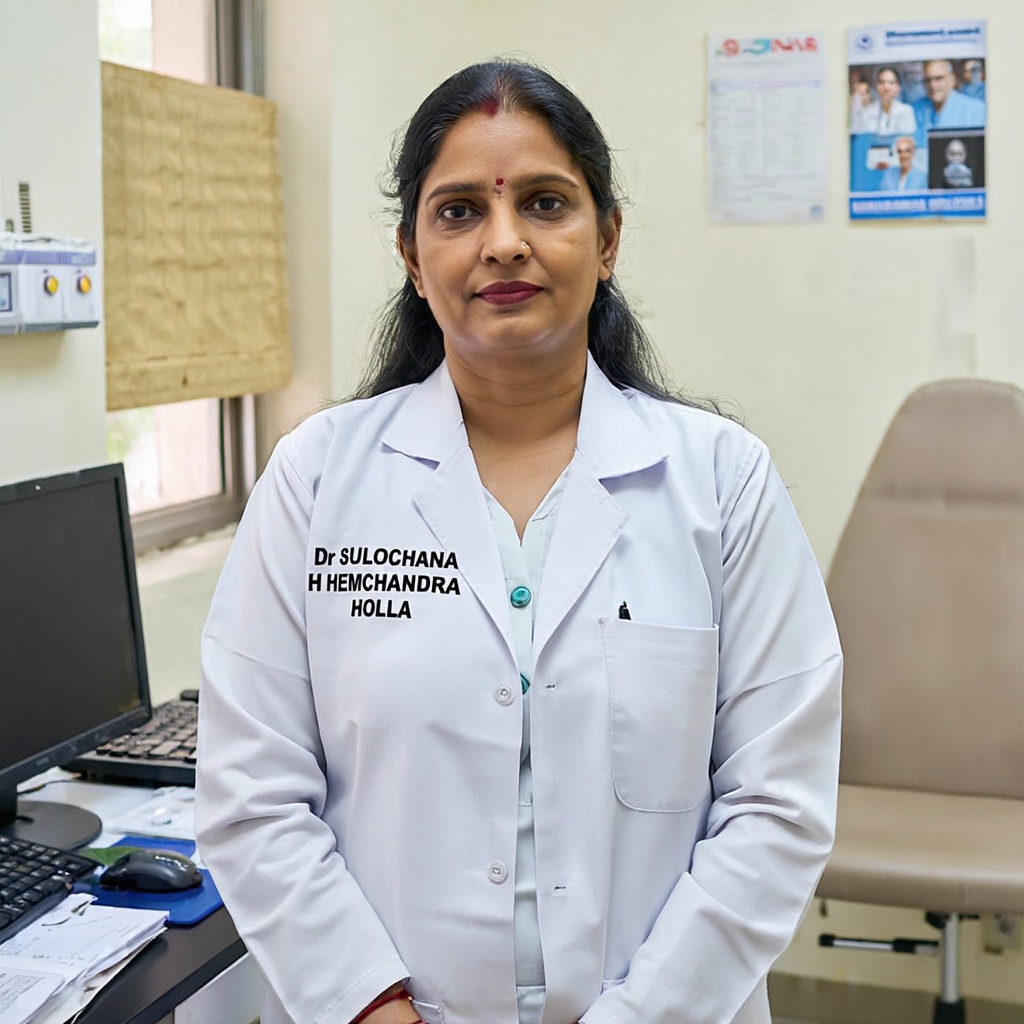
Dr SULOCHANA HEMCHANDRA HOLLA
Consultant Medical Geneticist · Reg: 8532
Last reviewed: September 7, 2026
Overview
The purpose of the Newborn Screening Panel 7 Test is to identify seven potentially serious genetic and metabolic conditions in newborns before symptoms develop. Early detection enables prompt treatment—such as dietary management for PKU and galactosemia, thyroid hormone replacement for congenital hypothyroidism, biotin supplementation for biotinidase deficiency, hydrocortisone therapy for congenital adrenal hyperplasia, infection prevention for G6PD deficiency, and pulmonary management for cystic fibrosis—thereby preventing irreversible organ damage, intellectual disability, and life-threatening complications. This screening is a cornerstone of preventive paediatric healthcare and is recommended by national and international health bodies including the WHO and ICMR.
- Test Code
- 1308
- CPT Code
- 84030
- ICD Code
- Z13.0
- Price
- ₹3,000
- Sample Type
- Heel prick blood on filter paper
- Result Time
- Reports are typically available the next working day after the sample is received at the laboratory. Sample accepted Monday through Friday by 9 AM.
- Fasting Required
- No
- Method
- Fluoroimmunoassay
Sample Collection
Clinical details and drug history must accompany the sample. No fasting is required. The test is ideally performed between 48 to 72 hours after birth.
Method: Heel prick
Laboratory Analysis
A small blood sample is collected from the newborn's heel (heel prick). One drop of blood is applied to each of 3 spots on a special filter paper card available from LPL.
Report Delivery
The filter paper card is allowed to dry at room temperature, then shipped refrigerated or frozen to the laboratory for analysis.
Timeline: Reports are typically available the next working day after the sample is received at the laboratory. Sample accepted Monday through Friday by 9 AM.
Patient Instructions
About This Test
Who Should Get This Test
The purpose of the Newborn Screening Panel 7 Test is to identify seven potentially serious genetic and metabolic conditions in newborns before symptoms develop. Early detection enables prompt treatment—such as dietary management for PKU and galactosemia, thyroid hormone replacement for congenital hypothyroidism, biotin supplementation for biotinidase deficiency, hydrocortisone therapy for congenital adrenal hyperplasia, infection prevention for G6PD deficiency, and pulmonary management for cystic fibrosis—thereby preventing irreversible organ damage, intellectual disability, and life-threatening complications. This screening is a cornerstone of preventive paediatric healthcare and is recommended by national and international health bodies including the WHO and ICMR.
How to Prepare
- Collect the sample between 48 to 72 hours after birth for optimal accuracy
- Ensure the heel is properly warmed before the heel prick to facilitate blood flow
- Apply one full drop of blood to each of the 3 designated spots on the filter paper
- Allow the filter paper to air dry completely at room temperature before packaging
- Ship the sample refrigerated or frozen with accompanying clinical details and drug history
- Ensure the sample reaches the laboratory within the specified stability window
Doctor's Notes
Reviewed by Dr SULOCHANA HEMCHANDRA HOLLA — MBBS, MD (Medical Genetics) · Reg. No. 8532
"As an obstetrician, I routinely advise expectant parents about the importance of newborn screening. The Newborn Screening Panel 7 Test is a simple, cost-effective measure that can identify serious metabolic and genetic conditions before symptoms appear. Early identification allows for immediate intervention—dietary modifications, enzyme replacement, or medication—dramatically improving long-term outcomes. I recommend every parent arrange this screening within the first 48 to 72 hours of birth. Discussing this test during antenatal visits ensures timely planning and helps parents understand the significance of early detection for conditions like congenital hypothyroidism, galactosemia, and congenital adrenal hyperplasia."
Last medically reviewed: September 7, 2026
Test Parameters & Specifications
Sample Stability
- Filter paper not fully saturated with blood
- Sample contaminated or clotted on filter paper
- Sample collected before 48 hours of life without clinical justification
- Sample received beyond the stability window
- Missing clinical details or patient identification
Understanding Your Results
TSH
17-Hydroxyprogesterone
Phenylalanine
G6PD
Galactosemia (GALT)
Biotinidase
IRT (Cystic Fibrosis)
Consult your paediatrician or genetic counsellor immediately if any parameter in the Newborn Screening Panel 7 Test is reported as abnormal. Do not wait for symptoms to appear. Early consultation allows for prompt confirmatory testing and initiation of treatment, which is critical for preventing irreversible complications in conditions such as congenital hypothyroidism, PKU, galactosemia, and congenital adrenal hyperplasia.
Limitations
- ⚠This screening test identifies risk and does not provide a definitive diagnosis; confirmatory testing is required for any positive result
- ⚠The panel does not screen for all genetic or metabolic disorders
- ⚠Rare variants of conditions may not be detected by the screening methods used
- ⚠Results may be affected by pre-analytical factors such as sample handling and transport conditions
- ⚠False negatives can occur, particularly if the sample is collected before 48 hours of life
Risks & Considerations
- ●The heel prick is a minimally invasive procedure with negligible risk
- ●Mild bruising or temporary discomfort at the puncture site
- ●Very rare risk of minor infection at the puncture site
Interfering Factors
- ●Premature birth may affect certain reference ranges, particularly 17-OHP and IRT
- ●Blood transfusion prior to sample collection may interfere with results
- ●Timing of sample collection: screening performed too early (before 48 hours) may yield false results
- ●Maternal medications or intravenous feeding may affect certain analyte levels
- ●Improper sample collection technique or insufficient blood saturation on filter paper
Compare With Similar Tests
| Test | Newborn Screening Panel 7 Test | Expanded Newborn Screening Panel (Tandem Mass Spectrometry) | Basic Newborn Screening (TSH + PKU only) | Genetic Carrier Screening (Parents) |
|---|---|---|---|---|
| Comparison | Newborn Screening Panel 7 Test |
Frequently Asked Questions
What is the Newborn Screening Panel 7 Test?
When should the Newborn Screening Panel 7 Test be performed?
How is the blood sample collected for this test?
What disorders does the Newborn Screening Panel 7 Test detect?
What is the cost of the Newborn Screening Panel 7 Test in India?
Is the test painful for the newborn?
What happens if the screening results are abnormal?
Is home sample collection available for this test?
How long does it take to receive the test results?
Does the baby need to fast before the test?
Is the Newborn Screening Panel 7 Test mandatory in India?
Can this test detect all genetic disorders in newborns?
Related Tests
Reference Laboratory Services
We serve as a reference laboratory for hospitals and clinics across India. Send samples from your facility with same-day pickup, priority processing, and results delivered through our online portal. Competitive institutional pricing available.
Your Data Privacy
Your medical data is protected under Indian law.
✓ Stored in India: All patient records are stored on servers located in India. No data is transferred outside the country.
✓ DPDP Act Compliant: Under the Digital Personal Data Protection Act 2023, you can request deletion of your records at any time by contacting support.
Book Your Test
Enter your details and we'll connect you within 15 minutes.