
PLOD2 Gene Osteogenesis imperfecta with congenital joint contractures NGS Genetic Test
Short Name: PLOD2 Gene OI NGS Test
Also known as: PLOD2-Related Osteogenesis Imperfecta NGS Test, Bruck Syndrome Type 2 Genetic Test, Brittle Bone Disease PLOD2 Gene Test, OI with Congenital Joint Contractures DNA Test, PLOD2 Lysyl Hydroxylase 2 Deficiency Genetic Test
PLOD2 Gene Osteogenesis imperfecta with congenital joint contractures NGS Genetic Test test available at DNA Labs India for ₹20,000. Uses Next-Generation Sequencing (NGS), Sanger Confirmation (if required), Bioinformatics Analysis, Variant Classification (ACMG Guidelines) on Blood or Extracted DNA or One Drop Blood on FTA Card samples. Results in Results are typically available within 3 to 4 weeks from the date of sample receipt at the laboratory. Results are delivered via the online portal, email, and WhatsApp. Urgent cases may be prioritized upon request.. Free home collection in 300+ cities across India.

🩺 Medically Reviewed By
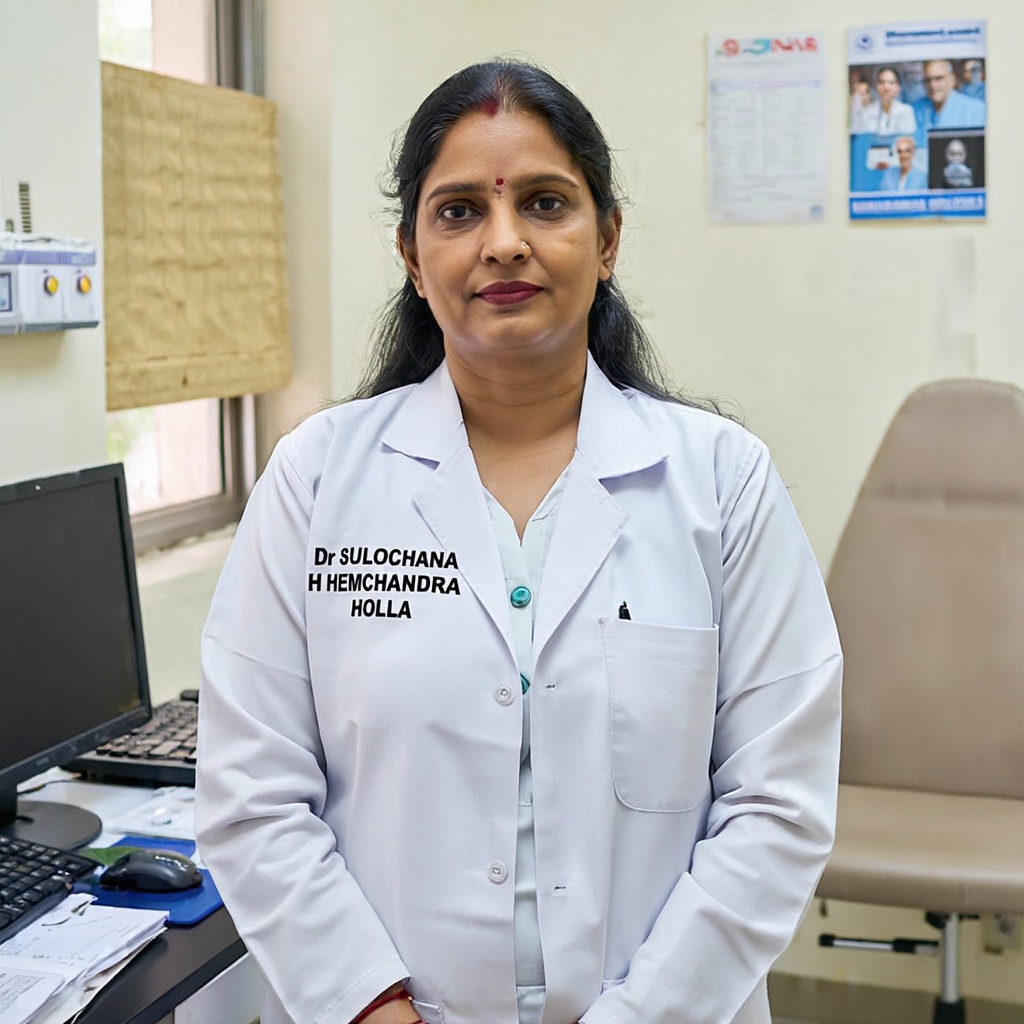
Dr SULOCHANA HEMCHANDRA HOLLA
Consultant Medical Geneticist · Reg: 8532
Last reviewed: September 7, 2026
Overview
The purpose of the PLOD2 Gene Osteogenesis Imperfecta with Congenital Joint Contractures NGS Genetic Test is to identify pathogenic or likely pathogenic mutations in the PLOD2 gene that cause a specific subtype of Osteogenesis Imperfecta characterized by bone fragility and congenital joint contractures. This test enables definitive molecular diagnosis, guides clinical management and treatment decisions, facilitates accurate genetic counseling for affected families, supports carrier detection, and provides essential information for prenatal or preimplantation genetic diagnosis in future pregnancies.
- Test Code
- 2462
- CPT Code
- 81479
- ICD Code
- Q78.0
- Price
- ₹20,000
- Sample Type
- Blood or Extracted DNA or One Drop Blood on FTA Card
- Result Time
- Results are typically available within 3 to 4 weeks from the date of sample receipt at the laboratory. Results are delivered via the online portal, email, and WhatsApp. Urgent cases may be prioritized upon request.
- Fasting Required
- No
- Method
- Next-Generation Sequencing (NGS), Sanger Confirmation (if required), Bioinformatics Analysis, Variant Classification (ACMG Guidelines)
Sample Collection
A genetic counseling session is recommended prior to sample collection to discuss the clinical indication, family history, and implications of test results. A pedigree chart of affected family members should be prepared. No fasting is required. Inform the laboratory of any recent blood transfusions or bone marrow transplants.
Method: Venipuncture / Heel Prick (Neonates)
Laboratory Analysis
A standard venipuncture will be performed to collect 3-5 mL of whole blood in an EDTA (lavender top) vacutainer. For neonates, a heel prick may be used to collect one drop of blood on an FTA card. Alternatively, previously extracted DNA may be submitted. The procedure is minimally invasive and typically takes less than 5 minutes.
Report Delivery
Apply gentle pressure to the puncture site with a cotton ball or gauze for 3-5 minutes. A small bandage may be applied. Avoid heavy lifting with the affected arm for a few hours. Mild bruising at the site is normal and should resolve within a few days. Results will be available within 3 to 4 weeks and will be shared via the online portal, email, or WhatsApp.
Timeline: Results are typically available within 3 to 4 weeks from the date of sample receipt at the laboratory. Results are delivered via the online portal, email, and WhatsApp. Urgent cases may be prioritized upon request.
Patient Instructions
About This Test
Who Should Get This Test
The purpose of the PLOD2 Gene Osteogenesis Imperfecta with Congenital Joint Contractures NGS Genetic Test is to identify pathogenic or likely pathogenic mutations in the PLOD2 gene that cause a specific subtype of Osteogenesis Imperfecta characterized by bone fragility and congenital joint contractures. This test enables definitive molecular diagnosis, guides clinical management and treatment decisions, facilitates accurate genetic counseling for affected families, supports carrier detection, and provides essential information for prenatal or preimplantation genetic diagnosis in future pregnancies.
How to Prepare
- Collect 3-5 mL of venous blood in an EDTA (Lavender Top) vacutainer under aseptic conditions
- For neonates or difficult venous access, one drop of blood on an FTA card is acceptable
- Label the sample clearly with patient name, date of birth, date of collection, and sample ID
- Gently invert the EDTA tube 8-10 times immediately after collection to prevent clotting
- Store the sample at ambient room temperature (15-30°C) and transport to the laboratory within 48 hours
- Do not freeze whole blood samples
- If extracted DNA is being submitted, ensure a minimum concentration of 20 ng/µL and a volume of at least 20 µL
- Include the completed test requisition form and signed consent form with the sample
Doctor's Notes
Reviewed by Dr SULOCHANA HEMCHANDRA HOLLA — MBBS, MD (Medical Genetics) · Reg. No. 8532
"As an obstetrician-gynecologist, I frequently counsel families with a history of osteogenesis imperfecta who are planning pregnancies. The PLOD2 gene NGS test provides a definitive molecular diagnosis that is essential for prenatal risk assessment, carrier testing, and early intervention planning. I recommend this test for any family presenting with clinical features suggestive of OI with congenital joint contractures, as an accurate genetic diagnosis directly informs reproductive decision-making and neonatal management strategies."
Last medically reviewed: September 7, 2026
Test Parameters & Specifications
Sample Stability
- Sample received without proper labeling or identification
- Clotted blood in EDTA tube
- Severely hemolyzed or lipemic samples
- Sample volume insufficient for testing (less than 1 mL whole blood)
- Sample received without completed requisition form or consent
- Extracted DNA with concentration below 10 ng/µL or degraded DNA (A260/280 ratio outside 1.7-2.0)
- Sample contaminated or improperly stored (exposed to extreme temperatures)
Understanding Your Results
One or more pathogenic or likely pathogenic variants were identified in the PLOD2 gene. This confirms a molecular diagnosis of PLOD2-related Osteogenesis Imperfecta with Congenital Joint Contractures (Bruck Syndrome Type 2). Genetic counseling is recommended to discuss inheritance pattern (autosomal recessive), implications for family members, and reproductive options including carrier testing and prenatal diagnosis.
Result type: Positive — Pathogenic or Likely Pathogenic Variant(s) Detected
No pathogenic or likely pathogenic variants were identified in the PLOD2 gene. This result reduces the likelihood of PLOD2-related OI but does not completely exclude a genetic etiology. Mutations in other genes associated with OI (such as COL1A1, COL1A2, FKBP10, BMP1, or SERPINF1) may be responsible. Clinical correlation and further genetic testing may be warranted.
Result type: Negative — No Pathogenic Variants Detected
A variant of uncertain significance was identified in the PLOD2 gene. The clinical significance of this variant is currently unknown based on available evidence. Family studies, functional analyses, and clinical correlation are recommended to determine pathogenicity. The variant should be reclassified as additional evidence becomes available.
Result type: Variant of Uncertain Significance (VUS) Detected
The test was unable to provide a definitive result due to technical limitations such as insufficient DNA quality, low coverage in specific regions, or the presence of a variant in a region not fully covered by the assay. A repeat test with a new sample or an alternative testing approach may be considered.
Result type: Inconclusive / Technical Limitation
Consult your doctor or genetic counselor if the test results show pathogenic or likely pathogenic variants in the PLOD2 gene, if a Variant of Uncertain Significance (VUS) is detected, if clinical symptoms of Osteogenesis Imperfecta persist despite a negative result, or if you have questions about the implications of the results for family planning, prenatal diagnosis, or treatment options. Immediate medical attention should be sought if the patient experiences new or worsening bone fractures, respiratory difficulties, or significant joint mobility issues.
Limitations
- ⚠This test targets the PLOD2 gene only and does not screen for mutations in other OI-associated genes such as COL1A1, COL1A2, or FKBP10
- ⚠Deep intronic variants, regulatory region mutations, and large structural rearrangements may not be fully detected
- ⚠Variants of Uncertain Significance (VUS) may be identified and may require further investigation or family studies
- ⚠This test does not assess epigenetic modifications or mitochondrial DNA variants
- ⚠A negative result does not completely exclude a genetic basis for the patient's condition
Risks & Considerations
- ●Minimal risk associated with blood collection: mild pain, bruising, or swelling at the puncture site
- ●Very rare risk of infection at the venipuncture site
- ●Psychological impact of genetic test results, including anxiety or distress, which can be mitigated through genetic counseling
- ●Risk of identifying Variants of Uncertain Significance (VUS) which may cause uncertainty
- ●Risk of incidental findings unrelated to the primary indication (managed per laboratory policy and consent)
Interfering Factors
- ●Degraded or insufficient DNA quality in the submitted sample
- ●Recent blood transfusion within the past 4 weeks may affect results
- ●Contamination during sample collection or transport
- ●Hemolyzed or clotted blood samples may reduce DNA yield
- ●Mosaicism in the patient may result in variants being below the detection threshold
Compare With Similar Tests
| Test | PLOD2 Gene Osteogenesis imperfecta with congenital joint contractures NGS Genetic Test | |||
|---|---|---|---|---|
| Comparison | PLOD2 Gene Osteogenesis imperfecta with congenital joint contractures NGS Genetic Test |
Frequently Asked Questions
What is PLOD2 Gene Osteogenesis Imperfecta with Congenital Joint Contractures?
What are the common symptoms of PLOD2-related Osteogenesis Imperfecta?
How is PLOD2 Gene OI diagnosed?
What is NGS Genetic Testing and how does it work?
What sample is required for the PLOD2 Gene NGS Genetic Test?
How long does it take to get the results of the PLOD2 Gene NGS Test?
What is the cost of the PLOD2 Gene Osteogenesis Imperfecta NGS Genetic Test in India?
Is the PLOD2 Gene NGS Genetic Test available across India?
Is genetic counseling required before taking the PLOD2 Gene NGS Test?
Can the PLOD2 Gene NGS Test be used for prenatal diagnosis or family planning?
What is the difference between PLOD2-related OI and other types of Osteogenesis Imperfecta?
Does DNA Labs India provide raw data files with the genetic test report?
Related Tests
WISP3 Gene Arthropathy, progressive pseudorheumatoid, of childhood NGS Genetic Test
₹20,000FLNB Gene Atelosteogenesis type 3 NGS Genetic Test
₹20,000FLNB Gene Atelosteogenesis type 1 NGS Genetic Test
₹20,000EBP Gene Chondrodysplasia punctata, X-linked dominant NGS Genetic Test
₹20,000COL11A1 Gene Marshall syndrome NGS Genetic Test
₹20,000ACTN3 (Sports Gene) Genotyping Test
₹7,000Reference Laboratory Services
We serve as a reference laboratory for hospitals and clinics across India. Send samples from your facility with same-day pickup, priority processing, and results delivered through our online portal. Competitive institutional pricing available.
Your Data Privacy
Your medical data is protected under Indian law.
✓ Stored in India: All patient records are stored on servers located in India. No data is transferred outside the country.
✓ DPDP Act Compliant: Under the Digital Personal Data Protection Act 2023, you can request deletion of your records at any time by contacting support.
Book Your Test
Enter your details and we'll connect you within 15 minutes.