
SLC13A5 Gene Early infantile epileptic encephalopathy type 25 NGS Genetic Test
Short Name: SLC13A5 Gene EIEE25 NGS Genetic Test
Also known as: EIEE25, SLC13A5-related early infantile epileptic encephalopathy, Developmental and epileptic encephalopathy 25 (DEE25), SLC13A5 gene mutation test
SLC13A5 Gene Early infantile epileptic encephalopathy type 25 NGS Genetic Test test available at DNA Labs India for ₹20,000. Uses Next Generation Sequencing (NGS), Variant classification using ACMG guidelines on Blood or Extracted DNA or One drop Blood on FTA Card samples. Results in The report will be shared within 3 to 4 weeks from the date of sample receipt. Along with the conclusive clinical report, DNA Labs India provides raw FASTQ and VCF data files.. Free home collection in 300+ cities across India.

🩺 Medically Reviewed By
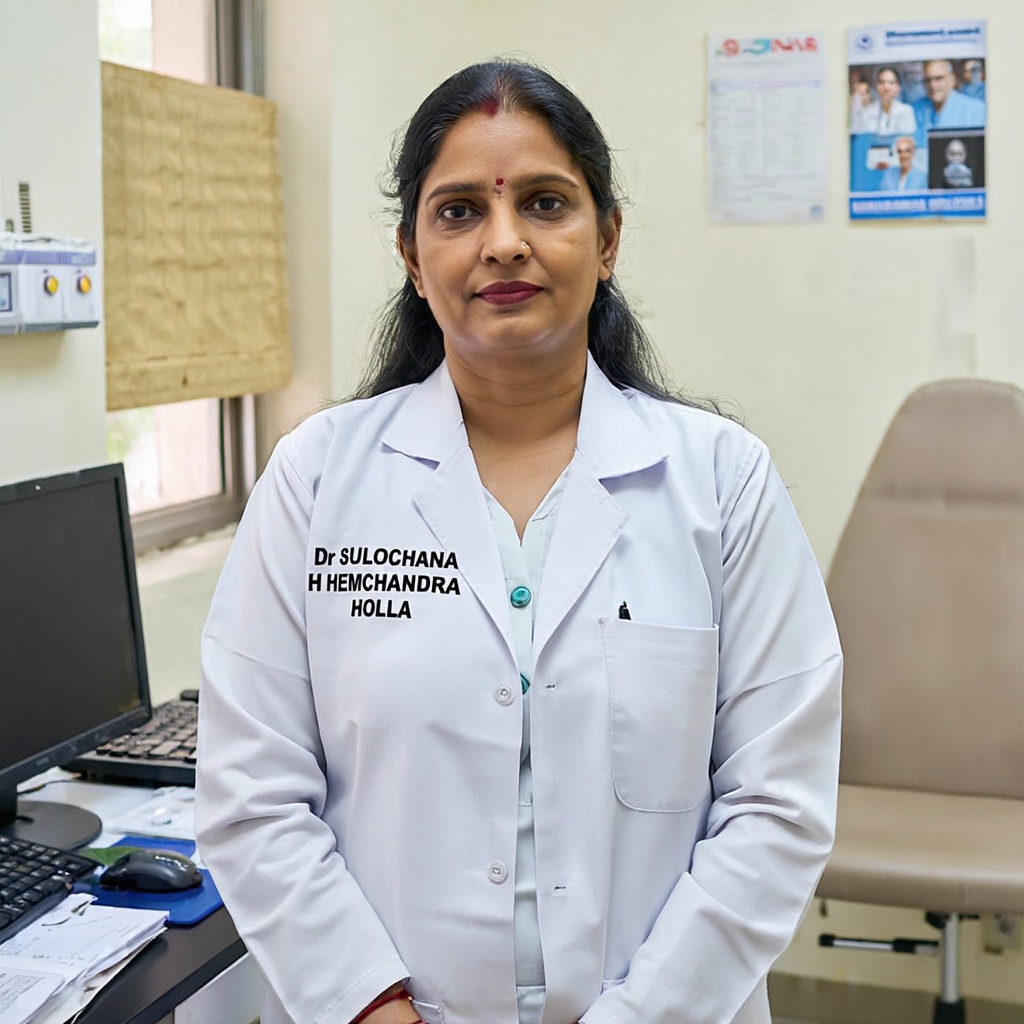
Dr SULOCHANA HEMCHANDRA HOLLA
Consultant Medical Geneticist · Reg: 8532
Last reviewed: September 7, 2026
Overview
The purpose of this test is to identify disease-causing variants in the SLC13A5 gene, confirm or rule out EIEE25 in symptomatic infants, support treatment decisions, and provide information for recurrence-risk counselling and carrier testing in affected families.
- Test Code
- 4037
- CPT Code
- N/A
- ICD Code
- N/A
- Price
- ₹20,000
- Sample Type
- Blood or Extracted DNA or One drop Blood on FTA Card
- Result Time
- The report will be shared within 3 to 4 weeks from the date of sample receipt. Along with the conclusive clinical report, DNA Labs India provides raw FASTQ and VCF data files.
- Fasting Required
- No
- Method
- Next Generation Sequencing (NGS), Variant classification using ACMG guidelines
Sample Collection
A genetic counselling session is recommended before the test. The counsellor will draw a pedigree chart of family members affected with SLC13A5 gene-related EIEE25 and explain the benefits, limitations and expected outcomes of the test. No fasting is required.
Method: Venipuncture / FTA card spot / DNA submission
Laboratory Analysis
A trained phlebotomist will collect a small amount of blood from the infant/child or transfer one drop of blood onto an FTA card, depending on the chosen sample type. The procedure is quick and minimally painful.
Report Delivery
No special care is required after sample collection. Feeding and routine activities may be resumed immediately. The sample should be sent to the laboratory as per the collection kit instructions.
Timeline: The report will be shared within 3 to 4 weeks from the date of sample receipt. Along with the conclusive clinical report, DNA Labs India provides raw FASTQ and VCF data files.
Patient Instructions
About This Test
Who Should Get This Test
The purpose of this test is to identify disease-causing variants in the SLC13A5 gene, confirm or rule out EIEE25 in symptomatic infants, support treatment decisions, and provide information for recurrence-risk counselling and carrier testing in affected families.
How to Prepare
- Please schedule a home collection appointment online for convenience.
- Use only the EDTA vacutainer, FTA card or DNA vial provided by the lab.
- Clearly label the sample with the patient's name, date of birth and collection date.
- Store and transport the sample as advised in the collection kit to avoid DNA degradation.
Doctor's Notes
Reviewed by Dr SULOCHANA HEMCHANDRA HOLLA — MBBS, MD (Medical Genetics) · Reg. No. 8532
"Early confirmation of an SLC13A5 mutation can guide seizure management and allow the family to understand the recurrence risk in future pregnancies. A detailed family pedigree is essential before and after testing."
Last medically reviewed: September 7, 2026
Test Parameters & Specifications
Sample Stability
- Clotted or hemolyzed blood sample
- Insufficient sample quantity or FTA card with poor blood spot
- Improper labelling or incomplete test request form
- Sample leaked or damaged in transit
Understanding Your Results
Consult a paediatric neurologist or medical geneticist if the child has early-onset seizures, delayed milestones, poor feeding, or abnormal involuntary movements. After the genetic report is available, schedule a post-test counselling session to understand the result, treatment possibilities, and recurrence risk.
Limitations
- ⚠NGS may not detect all types of mutations, such as large structural rearrangements, deep intronic variants, repeat expansions or mitochondrial DNA variants.
- ⚠A negative result does not completely exclude a genetic cause; other genes or undetected variants may still be responsible.
- ⚠A variant of uncertain significance requires further family studies before it can be treated as disease-causing.
Risks & Considerations
- ●Minimal discomfort or pain at the blood collection site
- ●Small risk of bruising or mild bleeding
- ●Very rare risk of infection if the skin is broken
- ●No fasting or sedation-related risk exists for this test
Interfering Factors
- ●Low quantity or degraded DNA leading to insufficient sequencing coverage
- ●Sample contamination or mix-up during collection/transport
- ●Rare complex variants not readily identified by NGS alignment
- ●Clinical overlap with other epilepsy genes may require broader testing for accurate diagnosis
Compare With Similar Tests
| Test | SLC13A5 Gene Early infantile epileptic encephalopathy type 25 NGS Genetic Test | |||
|---|---|---|---|---|
| Comparison | SLC13A5 Gene Early infantile epileptic encephalopathy type 25 NGS Genetic Test |
Frequently Asked Questions
What is early infantile epileptic encephalopathy type 25?
Why has the SLC13A5 gene been linked to seizures?
What does this NGS genetic test involve?
Who should undergo this test?
What sample is needed?
Is fasting required before this test?
What is the cost of this test in India?
How long does it take to receive the report?
What does a no mutation found result mean?
What is a variant of uncertain significance (VUS)?
Will I receive raw data files?
Is genetic counselling recommended before and after the test?
Related Tests
Huntington Disease Mutation Detection Test
₹8,000Myotonic Dystrophy Type 1 Test
₹8,500Nx Gen Sequencing: Duchenne & Becker Muscular Dystrophy Test
₹23,400Nx Gen Sequencing: Tuberous Sclerosis Complex Test
₹27,495MED25 Gene CMT2B2 NGS Genetic Test
₹20,000FLNA Gene Intestinal pseudoobstraction, neuronal NGS Genetic Test
₹20,000Reference Laboratory Services
We serve as a reference laboratory for hospitals and clinics across India. Send samples from your facility with same-day pickup, priority processing, and results delivered through our online portal. Competitive institutional pricing available.
Your Data Privacy
Your medical data is protected under Indian law.
✓ Stored in India: All patient records are stored on servers located in India. No data is transferred outside the country.
✓ DPDP Act Compliant: Under the Digital Personal Data Protection Act 2023, you can request deletion of your records at any time by contacting support.
Book Your Test
Enter your details and we'll connect you within 15 minutes.