
WHRN Gene Deafness, autosomal recessive type 31 NGS Genetic Test
Short Name: WHRN Gene DFNB31 NGS Test
Also known as: DFNB31 Genetic Test, Deafness Type 31 NGS Test, WHRN-Related Hearing Loss Test, Whirlin Gene Mutation Test, Autosomal Recessive Deafness 31 Genetic Test
WHRN Gene Deafness, autosomal recessive type 31 NGS Genetic Test test available at DNA Labs India for ₹20,000. Uses Next-Generation Sequencing (NGS), Sanger Sequencing Confirmation, Bioinformatics Analysis, ACMG Variant Classification Guidelines on Blood or Extracted DNA or One Drop Blood on FTA Card samples. Results in Results are typically available within 3 to 4 weeks from the date of sample receipt at the laboratory. Reports are delivered via online portal, email, and WhatsApp.. Free home collection in 300+ cities across India.

🩺 Medically Reviewed By
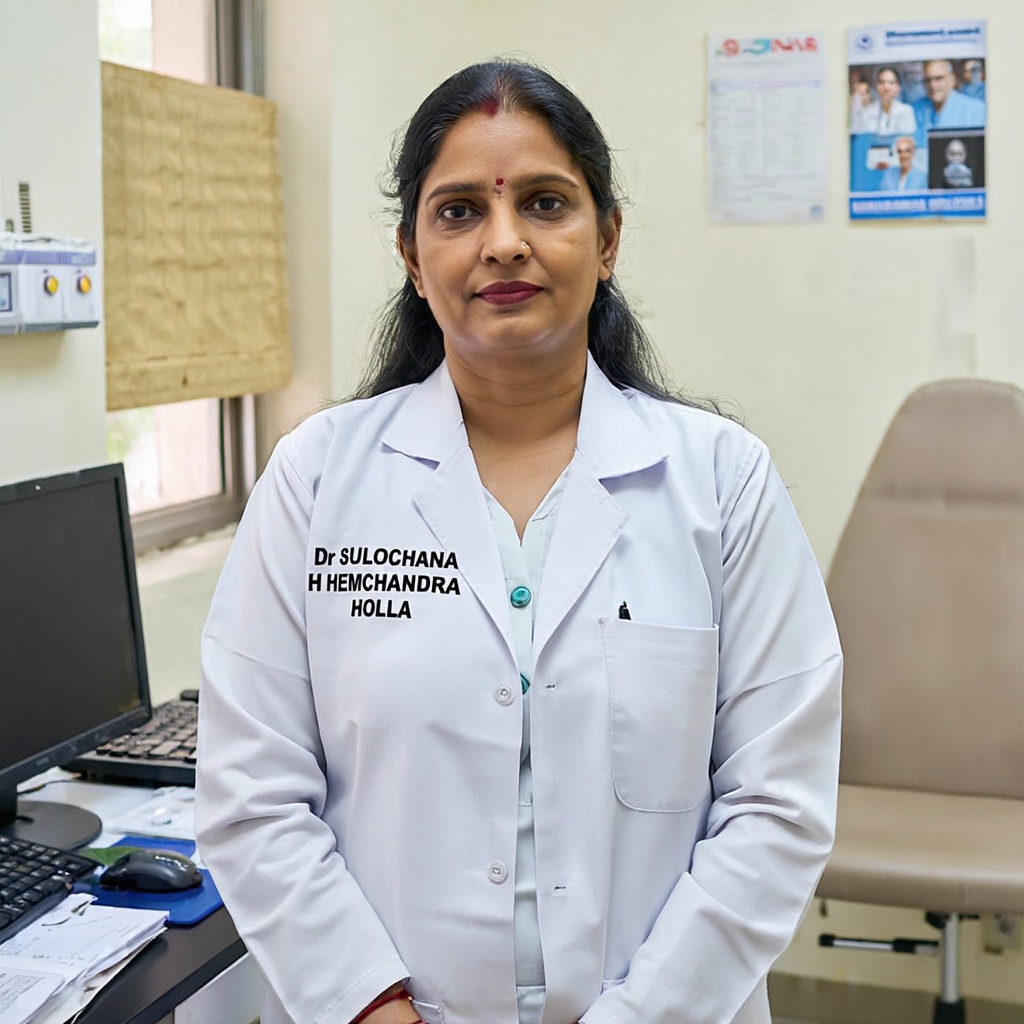
Dr SULOCHANA HEMCHANDRA HOLLA
Consultant Medical Geneticist · Reg: 8532
Last reviewed: September 7, 2026
Overview
The purpose of the WHRN Gene Deafness Type 31 NGS Genetic Test is to identify pathogenic or likely pathogenic mutations in the WHRN gene that cause autosomal recessive non-syndromic sensorineural hearing loss (DFNB31). This test enables definitive molecular diagnosis, guides clinical management including cochlear implant evaluation, facilitates carrier detection in family members, informs genetic counseling regarding recurrence risks, supports family planning decisions, and helps identify candidates for emerging gene-based therapeutic approaches.
- Test Code
- 2338
- CPT Code
- 81479
- ICD Code
- H90.3
- Price
- ₹20,000
- Sample Type
- Blood or Extracted DNA or One Drop Blood on FTA Card
- Result Time
- Results are typically available within 3 to 4 weeks from the date of sample receipt at the laboratory. Reports are delivered via online portal, email, and WhatsApp.
- Fasting Required
- No
- Method
- Next-Generation Sequencing (NGS), Sanger Sequencing Confirmation, Bioinformatics Analysis, ACMG Variant Classification Guidelines
Sample Collection
A genetic counseling session is recommended before testing to discuss clinical history, family pedigree, test implications, and possible outcomes. Provide detailed clinical history of the patient and affected family members. No fasting or special preparation is required for this test. Bring any previous audiological reports or imaging studies for reference.
Method: Venipuncture or FTA Card Spot
Laboratory Analysis
A trained phlebotomist will collect approximately 3-5 mL of venous blood using standard venipuncture technique into an EDTA vacutainer tube. Alternatively, one drop of blood can be placed on an FTA card. The collection procedure typically takes less than 10 minutes. The sample is labeled, sealed, and transported under controlled ambient temperature conditions to the laboratory.
Report Delivery
After sample collection, patients can resume normal daily activities immediately. Mild bruising or soreness at the puncture site may occur and typically resolves within 1-2 days. Results will be available in 3 to 4 weeks and can be accessed via the online portal, email, or WhatsApp. A follow-up genetic counseling session is strongly recommended to interpret and discuss the results.
Timeline: Results are typically available within 3 to 4 weeks from the date of sample receipt at the laboratory. Reports are delivered via online portal, email, and WhatsApp.
Patient Instructions
About This Test
Who Should Get This Test
The purpose of the WHRN Gene Deafness Type 31 NGS Genetic Test is to identify pathogenic or likely pathogenic mutations in the WHRN gene that cause autosomal recessive non-syndromic sensorineural hearing loss (DFNB31). This test enables definitive molecular diagnosis, guides clinical management including cochlear implant evaluation, facilitates carrier detection in family members, informs genetic counseling regarding recurrence risks, supports family planning decisions, and helps identify candidates for emerging gene-based therapeutic approaches.
How to Prepare
- A trained phlebotomist will collect the blood sample at your home or at our designated collection center.
- For FTA card collection, only one drop of capillary or venous blood is required on the designated area.
- Ensure the sample is properly labeled with patient full name, date of birth, and unique identification number.
- The sample will be transported under appropriate temperature-controlled conditions to our NABL-accredited laboratory.
- If collected at home, the phlebotomist will handle all logistics including packaging and transport of the sample.
Doctor's Notes
Reviewed by Dr SULOCHANA HEMCHANDRA HOLLA — MBBS, MD (Medical Genetics) · Reg. No. 8532
"Patients presenting with progressive bilateral sensorineural hearing loss, particularly those with a family history consistent with autosomal recessive inheritance, should be evaluated for WHRN gene mutations. The NGS genetic test provides a definitive molecular diagnosis that is critical for clinical management, prognostic counseling, informed family planning decisions, and early intervention strategies such as cochlear implantation when appropriate. Genetic counseling both before and after testing is strongly recommended to help patients and families understand the implications of results, recurrence risks, and available support resources."
Last medically reviewed: September 7, 2026
Test Parameters & Specifications
Sample Stability
- Hemolyzed samples with visible red cell lysis
- Insufficient sample volume for DNA extraction
- Improperly labeled or unlabeled samples
- Samples received in leaking or damaged containers
- Samples collected more than 7 days ago without proper refrigeration
- Contaminated samples or samples collected in wrong anticoagulant tubes
Understanding Your Results
Pathogenic or Likely Pathogenic Variant Detected (Homozygous)
Confirms diagnosis of WHRN-related autosomal recessive deafness type 31. Both alleles carry causative mutations. Genetic counseling and appropriate audiological management are recommended.
Pathogenic or Likely Pathogenic Variant Detected (Compound Heterozygous)
Two different pathogenic variants identified on separate alleles, consistent with DFNB31. Confirmation of parental carrier status is recommended.
Single Heterozygous Pathogenic Variant Detected
The individual is a carrier of one pathogenic WHRN mutation. They are typically unaffected but can pass the variant to offspring. Partner testing and genetic counseling are recommended.
Variant of Uncertain Significance (VUS) Detected
A genetic variant was identified but current evidence is insufficient to determine its clinical significance. Family segregation studies, functional analysis, and periodic reclassification may be needed.
No Pathogenic Variants Detected
No causative mutations were identified in the WHRN gene. This result does not fully exclude a genetic etiology for hearing loss. Testing of additional deafness-associated genes may be considered.
Consult a clinical geneticist or audiologist if you or your child experiences progressive bilateral hearing loss, difficulty understanding speech, frequent need to increase volume on devices, ringing in the ears, or if there is a family history of hereditary hearing loss. Early consultation is especially important for children with suspected genetic deafness to ensure timely intervention such as hearing aids or cochlear implants, which can significantly improve speech and language development outcomes.
Limitations
- ⚠This test targets the WHRN gene only and does not screen for mutations in other deafness-associated genes
- ⚠Large genomic rearrangements or copy number variations may not be fully detected by NGS alone
- ⚠Variants of uncertain significance (VUS) may be identified and may require further investigation
- ⚠Deep intronic mutations and regulatory region variants outside the targeted regions may not be detected
- ⚠A negative result does not completely exclude a genetic cause of hearing loss involving other genes
Risks & Considerations
- ●Minimal physical risk from blood draw including minor bruising, soreness, or very rare infection at the puncture site
- ●Psychological and emotional impact of receiving genetic test results, especially unexpected findings
- ●Possibility of identifying variants of uncertain significance (VUS) that may cause anxiety without providing definitive answers
- ●Potential implications for insurance, employment, or family dynamics based on genetic information
- ●Risk of incidental findings in linked genes (though targeted analysis minimizes this)
Interfering Factors
- ●Degraded DNA due to improper sample storage or transport
- ●Hemolyzed blood samples may affect DNA extraction quality
- ●Recent blood transfusion within the past 4 weeks may affect results
- ●Bone marrow transplant recipients may have donor DNA present
Compare With Similar Tests
| Test | WHRN Gene Deafness, autosomal recessive type 31 NGS Genetic Test | GJB2 Gene Deafness NGS Genetic Test | SLC26A4 Gene Deafness NGS Genetic Test | TMC1 Gene Deafness NGS Genetic Test | CDH23 Gene Deafness NGS Genetic Test | Comprehensive Hearing Loss Gene Panel NGS Test |
|---|---|---|---|---|---|---|
| Comparison | WHRN Gene Deafness, autosomal recessive type 31 NGS Genetic Test |
Frequently Asked Questions
What is WHRN Gene Deafness, autosomal recessive type 31 (DFNB31)?
What are the common symptoms of WHRN gene deafness?
How is the NGS Genetic Test for WHRN gene deafness performed?
What sample is required for the WHRN gene NGS Genetic Test?
How much does the WHRN Gene Deafness NGS Genetic Test cost in India?
How long does it take to get the test results?
Is the NGS Genetic Test for WHRN gene deafness accurate?
Can this test identify carriers of the WHRN gene mutation?
Is genetic counseling recommended before and after this test?
What treatment options are available after a diagnosis of WHRN gene deafness?
Is home sample collection available for the WHRN Gene Deafness NGS Genetic Test?
What files and reports are provided with the test results?
Related Tests
Nx Gen Sequencing: Usher Syndrome Test
₹28,665Nx Gen Sequencing: Retinitis Pigmentosa Test
₹20,000PDE6H Gene Achromatopsia Type 6 NGS Genetic Test
₹20,000CACNA1F Gene Aland Island Eye Disease NGS Genetic Test
₹20,000TGFBI Gene Corneal Dystrophy, Epithelial Basement Membrane NGS Genetic Test
₹20,000ADAMTSL4 Gene Ectopia Lentis Et Pupillae NGS Genetic Test
₹20,000Reference Laboratory Services
We serve as a reference laboratory for hospitals and clinics across India. Send samples from your facility with same-day pickup, priority processing, and results delivered through our online portal. Competitive institutional pricing available.
Your Data Privacy
Your medical data is protected under Indian law.
✓ Stored in India: All patient records are stored on servers located in India. No data is transferred outside the country.
✓ DPDP Act Compliant: Under the Digital Personal Data Protection Act 2023, you can request deletion of your records at any time by contacting support.
Book Your Test
Enter your details and we'll connect you within 15 minutes.