
Amino Acid Non-Ketotic Hyperglycinemia Panel Quantitative CSF & Plasma Test
Also known as: NKH Quantitative Panel, Glycine Encephalopathy Test
Amino Acid Non-Ketotic Hyperglycinemia Panel Quantitative CSF & Plasma Test test available at DNA Labs India for ₹9,000. Uses LC-MS/MS on CSF and Plasma samples. Results in Reports available within 3 days from sample receipt, delivered via online portal, email, or WhatsApp.. Free home collection in 300+ cities across India.

🩺 Medically Reviewed By
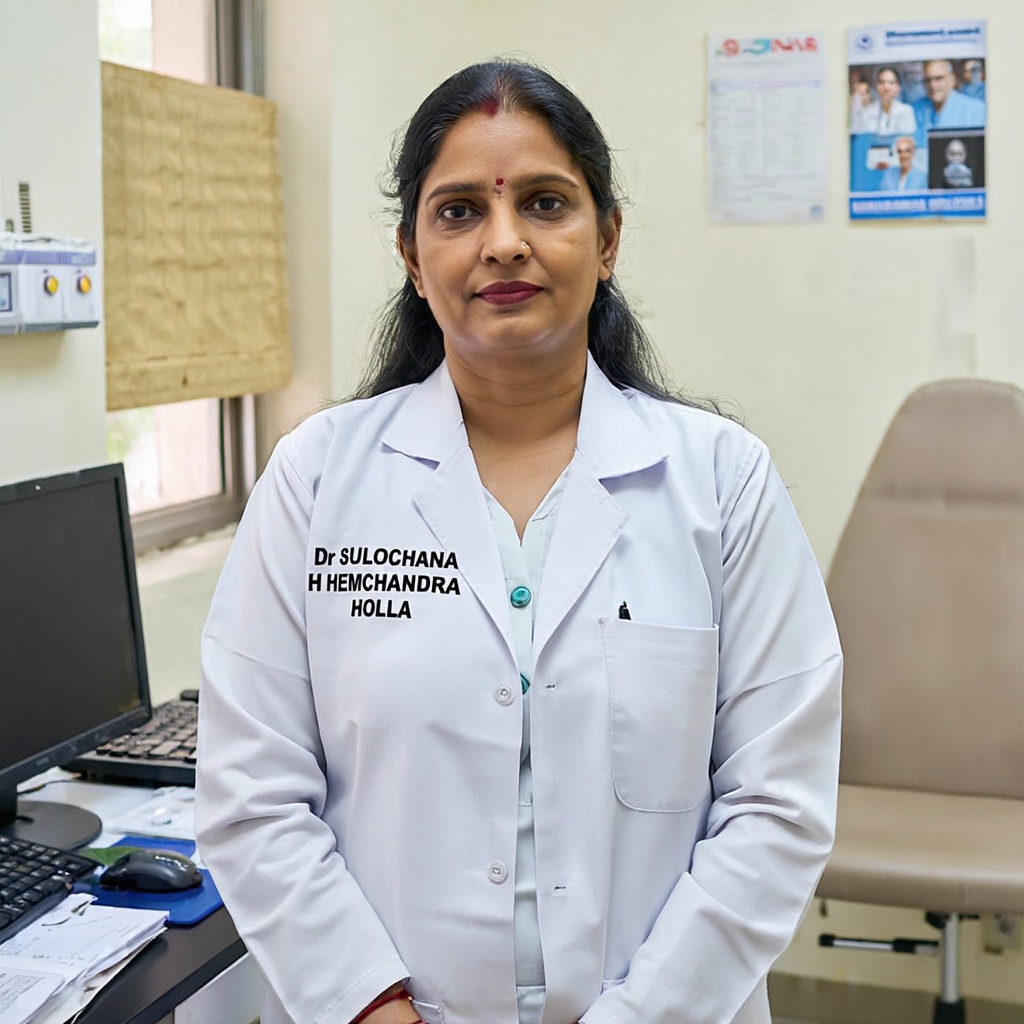
Dr SULOCHANA HEMCHANDRA HOLLA
Consultant Medical Geneticist · Reg: 8532
Last reviewed: September 7, 2026
Overview
To diagnose Non-Ketotic Hyperglycinemia by quantitatively measuring glycine levels in cerebrospinal fluid and plasma, aiding in early detection and management of this genetic metabolic disorder.
- Test Code
- 93
- Price
- ₹9,000
- Sample Type
- CSF and Plasma
- Result Time
- Reports available within 3 days from sample receipt, delivered via online portal, email, or WhatsApp.
- Fasting Required
- No
- Method
- LC-MS/MS
Sample Collection
Provide clinical details and drug history. No specific fasting required, but samples should be drawn simultaneously.
Method: Lumbar puncture for CSF; venipuncture for plasma
Laboratory Analysis
CSF collected via lumbar puncture by a healthcare professional; plasma via venipuncture. Ensure proper labeling and sterile handling.
Report Delivery
Transfer plasma to sterile screw-capped vial. Ship samples refrigerated (2-8°C) or frozen (-20°C) as per stability guidelines.
Timeline: Reports available within 3 days from sample receipt, delivered via online portal, email, or WhatsApp.
Patient Instructions
About This Test
Who Should Get This Test
To diagnose Non-Ketotic Hyperglycinemia by quantitatively measuring glycine levels in cerebrospinal fluid and plasma, aiding in early detection and management of this genetic metabolic disorder.
How to Prepare
- Accompany sample with clinical details and drug history
- Collect CSF and plasma specimens at the same time
- Transfer plasma to a sterile screw-capped vial
- Ship refrigerated or frozen to maintain sample integrity
Doctor's Notes
Reviewed by Dr SULOCHANA HEMCHANDRA HOLLA — MBBS, MD (Medical Genetics) · Reg. No. 8532
"Early diagnosis through this test is vital for families with a history of genetic disorders, aiding in prenatal counseling and neonatal management of NKH."
Last medically reviewed: September 7, 2026
Test Parameters & Specifications
Sample Stability
- Hemolyzed samples
- Insufficient sample volume
- Improperly labeled containers
- Samples not shipped under specified conditions
Understanding Your Results
Strongly suggestive of Non-Ketotic Hyperglycinemia; correlate with clinical symptoms and genetic testing
NKHA is less likely; consider other metabolic disorders
May require repeat testing or additional diagnostics
Consult a healthcare provider if you or your child exhibits symptoms like seizures, hypotonia, poor feeding, or developmental delays, or if test results are abnormal. Early medical intervention is crucial for NKH management.
Limitations
- ⚠Cannot differentiate between primary and secondary hyperglycinemia
- ⚠Does not detect carrier status for NKH genes
- ⚠Results should be correlated with clinical presentation
Risks & Considerations
- ●Lumbar puncture risks: headache, infection, bleeding, or nerve damage
- ●Venipuncture risks: bruising, discomfort, or fainting
- ●General: anxiety related to test procedures
Interfering Factors
- ●Hemolyzed samples
- ●Lipemic samples
- ●Recent high-protein diet
Frequently Asked Questions
What is Non-Ketotic Hyperglycinemia (NKH)?
Who should take this test?
What samples are required for the test?
Is fasting required before the test?
How is the test performed?
What is the cost of the test?
How long does it take to get results?
What do elevated glycine levels indicate?
Can NKH be treated?
Is home sample collection available?
What are the risks of the test?
Is this test covered by insurance?
Related Tests
Amino Acids Maple Syrup Urine Disease (MSUD) Panel Plasma Test
₹6,000Amino Acids Quantitative Urine: 45 Amino Acids / Full Panel Test
₹7,500Amino Acids Quantitative Urine & Plasma: 45 Amino Acids / Full Panel Test
₹11,000Osmolal Gap Serum Test
₹1,147Porphobilinogen (PBG) Quantitative 24 Hour Urine Test
₹5,000Purkinje Cell Cytoplasmic Antibody Type Tr (DNER) Test
₹4,500Reference Laboratory Services
We serve as a reference laboratory for hospitals and clinics across India. Send samples from your facility with same-day pickup, priority processing, and results delivered through our online portal. Competitive institutional pricing available.
Your Data Privacy
Your medical data is protected under Indian law.
✓ Stored in India: All patient records are stored on servers located in India. No data is transferred outside the country.
✓ DPDP Act Compliant: Under the Digital Personal Data Protection Act 2023, you can request deletion of your records at any time by contacting support.
Book Your Test
Enter your details and we'll connect you within 15 minutes.