
Amino Acids Maple Syrup Urine Disease (MSUD) Panel Plasma Test
Short Name: MSUD Panel Plasma Test
Also known as: MSUD Amino Acid Panel, Branched-Chain Amino Acid Panel for MSUD, BCKDH Deficiency Test, Branched-Chain Ketoaciduria Test, Maple Syrup Urine Disease Blood Test
Amino Acids Maple Syrup Urine Disease (MSUD) Panel Plasma Test test available at DNA Labs India for ₹6,000. Uses Liquid Chromatography-Tandem Mass Spectrometry (LC-MS/MS) on Plasma from Sodium Heparin (Green Top) tube samples. Results in Sample accepted: Monday and Wednesday by 5:00 PM. Report available within 3 working days from sample receipt at the laboratory.. Free home collection in 300+ cities across India.

🩺 Medically Reviewed By
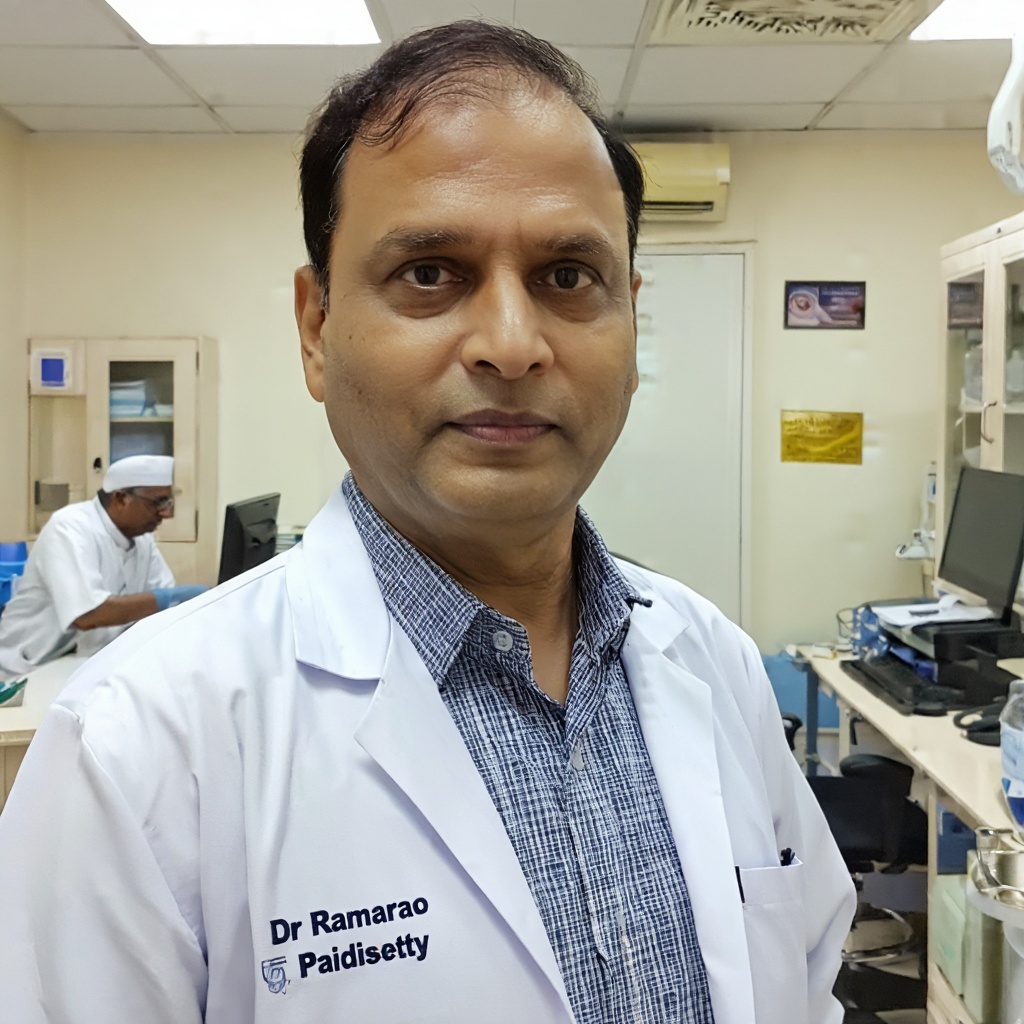
Dr Ramarao Paidisetty
Consultant Biochemist · Reg: 21504
Last reviewed: September 7, 2026
Overview
The MSUD Panel Plasma Test is performed to diagnose Maple Syrup Urine Disease by measuring branched-chain amino acids (leucine, isoleucine, valine) and alloisoleucine in plasma. It is also used to monitor dietary treatment in known MSUD patients, evaluate abnormal newborn screening results, and assess metabolic stability during illness or surgical stress. Accurate quantification via LC-MS/MS enables clinicians to make timely, life-saving treatment decisions.
- Test Code
- 101
- ICD Code
- E71.0
- Price
- ₹6,000
- Sample Type
- Plasma from Sodium Heparin (Green Top) tube
- Result Time
- Sample accepted: Monday and Wednesday by 5:00 PM. Report available within 3 working days from sample receipt at the laboratory.
- Fasting Required
- No
- Method
- Liquid Chromatography-Tandem Mass Spectrometry (LC-MS/MS)
Sample Collection
Clinical details and drug history must accompany the sample. No specific fasting requirement is mandated, but collection in a fasting or standardized post-prandial state is preferred for accurate baseline amino acid quantification. Inform the laboratory of any amino acid-containing supplements, TPN, or medications the patient is receiving.
Method: Venipuncture (heel prick in neonates if applicable)
Laboratory Analysis
A venous blood sample of 2 mL (minimum 1 mL) is collected into a Sodium Heparin (Green Top) tube via venipuncture. In neonates, a heel prick may be used if venous access is not feasible. The sample should be gently mixed to prevent clotting. Plasma must be separated by centrifugation and transferred into a sterile screw-capped vial under aseptic conditions.
Report Delivery
Label the sample clearly with patient identifiers, date, and time of collection. Ship the plasma sample refrigerated (2–8°C) or frozen (−20°C) to the laboratory. Avoid repeated freeze-thaw cycles. Results are typically available within 3 days from sample receipt (samples accepted Monday and Wednesday by 5 PM).
Timeline: Sample accepted: Monday and Wednesday by 5:00 PM. Report available within 3 working days from sample receipt at the laboratory.
Patient Instructions
About This Test
Who Should Get This Test
The MSUD Panel Plasma Test is performed to diagnose Maple Syrup Urine Disease by measuring branched-chain amino acids (leucine, isoleucine, valine) and alloisoleucine in plasma. It is also used to monitor dietary treatment in known MSUD patients, evaluate abnormal newborn screening results, and assess metabolic stability during illness or surgical stress. Accurate quantification via LC-MS/MS enables clinicians to make timely, life-saving treatment decisions.
How to Prepare
- Collect 2 mL venous blood in a Sodium Heparin (Green Top) tube
- Gently invert the tube 8–10 times to mix blood with anticoagulant
- Centrifuge the sample and transfer plasma to a sterile screw-capped vial
- Ship refrigerated (2–8°C) or frozen (−20°C); do not ship at room temperature for extended periods
- Include completed requisition form with clinical details, drug history, and feeding status
- Clearly label the vial with patient name, date of birth, sample date and time
- Samples accepted: Monday and Wednesday by 5:00 PM
Doctor's Notes
Reviewed by Dr Ramarao Paidisetty — MBBS, MD (Biochemistry) · Reg. No. 21504
"Maple Syrup Urine Disease is one of the most critical inborn errors of metabolism to identify in the neonatal period. A single elevated leucine level can cause irreversible brain damage within days. This plasma amino acid panel using LC-MS/MS provides rapid, quantitative confirmation of MSUD and is indispensable for guiding emergency dietary management. I recommend this test for any newborn with unexplained encephalopathy, poor feeding, or a positive newborn screening result for branched-chain amino acids. Early and precise diagnosis, combined with immediate leucine-restricted dietary therapy, dramatically improves long-term neurological outcomes in affected children."
Last medically reviewed: September 7, 2026
Test Parameters & Specifications
Sample Stability
- Hemolyzed, lipemic, or icteric samples that compromise LC-MS/MS accuracy
- Clotted blood collected in a Sodium Heparin tube (anticoagulant failure)
- Sample volume below the minimum requirement of 1 mL plasma
- Samples received at room temperature beyond 6 hours of collection without prior refrigeration or freezing
- Unlabeled or improperly labeled samples without clear patient identification
- Plasma stored frozen beyond 2 weeks without documented stability data
Understanding Your Results
Classic MSUD likely. Requires immediate metabolic emergency management including leucine removal, caloric supplementation, and dietary BCAA restriction. Urgent referral to a metabolic specialist is mandatory.
May indicate intermediate or intermittent MSUD subtype. Clinical correlation with symptoms and follow-up testing under metabolic stress is recommended.
Could represent heterozygous carrier status, recent high-protein intake, or another metabolic condition. Repeat testing and molecular genetic analysis may be warranted.
MSUD is unlikely based on this biochemical test. If clinical suspicion persists, consider repeat testing during a metabolic crisis or molecular genetic testing of BCKDHA, BCKDHB, and DBT genes.
Indicates suboptimal dietary control or metabolic decompensation. Dietary adjustment under metabolic team guidance is required. Leucine target during treatment is typically maintained between 75–200 µmol/L in affected individuals.
Consult a metabolic specialist or pediatric geneticist immediately if the MSUD Panel Plasma Test shows elevated branched-chain amino acids or detectable alloisoleucine, especially in a newborn or infant with symptoms such as poor feeding, vomiting, lethargy, seizures, or a sweet odor in urine. MSUD is a metabolic emergency—untreated elevations of leucine can cause irreversible brain edema and damage within 24–48 hours. Parents of children already diagnosed with MSUD should consult their metabolic care team if amino acid levels are outside the recommended therapeutic range or if the child becomes acutely ill.
Limitations
- ⚠This test quantifies amino acid levels but does not identify the specific BCKDH gene mutation responsible for MSUD; genetic confirmation requires separate molecular testing
- ⚠Mildly elevated BCAA levels may be seen in heterozygous carriers and other conditions such as liver disease, requiring careful interpretation
- ⚠Results must always be interpreted in conjunction with clinical presentation, newborn screening data, and additional metabolic investigations such as urine organic acid analysis
- ⚠Sample stability is limited; plasma must be separated and shipped refrigerated or frozen within the specified timeframe to avoid degradation artifacts
- ⚠This test may not reliably differentiate between the several subtypes of MSUD (classic, intermediate, intermittent, thiamine-responsive) without longitudinal monitoring and clinical correlation
Risks & Considerations
- ●Minor bruising or discomfort at the blood draw site, which typically resolves within 1–2 days
- ●Small risk of infection at the venipuncture site, minimized by standard aseptic technique
- ●In neonates, heel prick collection may cause transient discomfort or minor localized bruising
- ●Fainting or lightheadedness in older children or adults during blood collection (vasovagal response)
Interfering Factors
- ●Recent high-protein meal may transiently elevate branched-chain amino acid levels; a fasting or standardized feeding state is preferred for accuracy
- ●Hemolyzed plasma samples may yield falsely altered amino acid concentrations due to release of intracellular amino acids
- ●Certain medications such as valproic acid, corticosteroids, and intravenous amino acid infusions can affect BCAA levels
- ●Patients on total parenteral nutrition (TPN) containing branched-chain amino acids may show elevated baseline levels
- ●Severely lipemic or icteric samples may interfere with LC-MS/MS ionization and quantification accuracy
Compare With Similar Tests
| Test | Amino Acids Maple Syrup Urine Disease (MSUD) Panel Plasma Test | Newborn Screening (Heel Prick / Dried Blood Spot) | Urine Organic Acids Analysis | Plasma Amino Acids Full Profile | BCKDH Enzyme Activity Assay | BCKDHA, BCKDHB, DBT Gene Mutation Analysis |
|---|---|---|---|---|---|---|
| Comparison | Amino Acids Maple Syrup Urine Disease (MSUD) Panel Plasma Test | Newborn screening is a first-line population-level screening tool that detects elevated leucine and valine on dried blood spots. It is designed for early detection but is not definitive. A positive newborn screening result must be confirmed with a quantitative plasma amino acid analysis like the MSUD Panel Plasma Test. The MSUD Panel provides precise quantification of individual BCAAs and alloisoleucine, which the newborn screen cannot. | Urine organic acids testing detects elevated branched-chain ketoacids (2-ketoisocaproic acid, 2-ketoisovaleric acid, 2-keto-3-methylvaleric acid) that accumulate in MSUD. While highly informative, urine organic acids may be normal between metabolic crises in intermittent MSUD. The plasma amino acid panel directly measures the causative amino acids and is complementary to urine organic acids for a comprehensive diagnostic workup. | A full plasma amino acid profile quantifies all amino acids, not just the branched-chain amino acids. It is more comprehensive but also more expensive and time-consuming. The MSUD Panel is a focused, targeted test specifically designed for rapid diagnosis and monitoring of MSUD, offering faster turnaround for clinical decision-making. | Measurement of BCKDH enzyme activity in leukocytes or fibroblasts directly confirms the enzymatic deficiency causing MSUD. It is considered the gold standard for definitive biochemical diagnosis but requires specialized laboratory infrastructure, is invasive (skin biopsy for fibroblasts), and has a longer turnaround time. The plasma amino acid panel is faster and more accessible for initial diagnosis. | Molecular genetic testing identifies the specific mutations in the BCKDHA, BCKDHB, or DBT genes responsible for MSUD. It is essential for genetic counseling, carrier testing, prenatal diagnosis, and family planning. However, genetic testing alone cannot monitor metabolic status and must be combined with biochemical tests like the MSUD Panel for ongoing patient management. |
Frequently Asked Questions
What is Maple Syrup Urine Disease (MSUD)?
What does the MSUD Panel Plasma Test measure?
How is the MSUD Panel Plasma Test performed?
Is fasting required before the MSUD Panel Plasma Test?
At what age should the MSUD Panel Plasma Test be done?
What are the normal reference ranges for branched-chain amino acids in this test?
What does it mean if my child's leucine level is elevated?
Can MSUD be detected through newborn screening?
How long does it take to get the MSUD Panel Plasma Test results?
Is the MSUD Panel Plasma Test available for home sample collection?
What is the cost of the MSUD Panel Plasma Test in India?
What is the treatment for MSUD if the test is positive?
Related Tests
Amino Acid Non-Ketotic Hyperglycinemia Panel Quantitative CSF & Plasma Test
₹9,000Amino Acids Quantitative Urine: 45 Amino Acids / Full Panel Test
₹7,500Amino Acids Quantitative Urine & Plasma: 45 Amino Acids / Full Panel Test
₹11,000Osmolal Gap Serum Test
₹1,147Porphobilinogen (PBG) Quantitative 24 Hour Urine Test
₹5,000Purkinje Cell Cytoplasmic Antibody Type Tr (DNER) Test
₹4,500Reference Laboratory Services
We serve as a reference laboratory for hospitals and clinics across India. Send samples from your facility with same-day pickup, priority processing, and results delivered through our online portal. Competitive institutional pricing available.
Your Data Privacy
Your medical data is protected under Indian law.
✓ Stored in India: All patient records are stored on servers located in India. No data is transferred outside the country.
✓ DPDP Act Compliant: Under the Digital Personal Data Protection Act 2023, you can request deletion of your records at any time by contacting support.
Book Your Test
Enter your details and we'll connect you within 15 minutes.