
Amino Acids Quantitative Urine: 45 Amino Acids / Full Panel Test
Short Name: Urine Amino Acids Full Panel
Also known as: Urine Amino Acid Profile, Quantitative Urine Amino Acid Test, Amino Acidopathy Screening Urine, Full Amino Acid Panel Urine, 45 Amino Acid Urine Test
Amino Acids Quantitative Urine: 45 Amino Acids / Full Panel Test test available at DNA Labs India for ₹7,500. Uses Liquid Chromatography-Tandem Mass Spectrometry (LC-MS/MS) on Urine samples. Results in Results are typically available within 3 working days from sample receipt at the laboratory. Samples accepted on Monday and Wednesday by 5 PM.. Free home collection in 300+ cities across India.

🩺 Medically Reviewed By
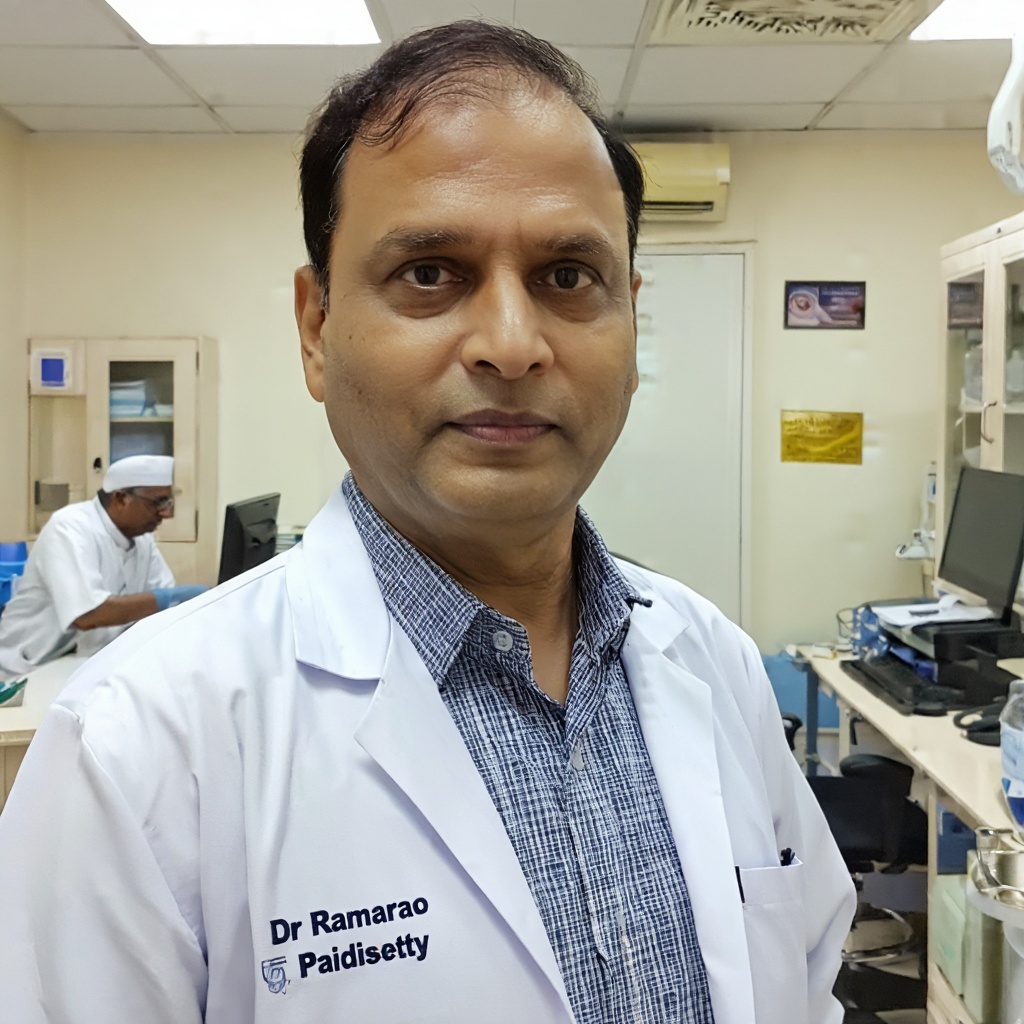
Dr Ramarao Paidisetty
Consultant Biochemist · Reg: 21504
Last reviewed: September 7, 2026
Overview
The primary purpose of the Amino Acids Quantitative Urine Full Panel test is to screen for, diagnose, and monitor inborn errors of metabolism (IEM) that result in abnormal amino acid levels. This test aids clinicians in identifying the specific amino acid or group of amino acids that are elevated or deficient, thereby guiding further confirmatory testing and treatment planning. It is used to diagnose conditions including Phenylketonuria (PKU), Maple Syrup Urine Disease (MSUD), Homocystinuria, Tyrosinemia, Cystinuria, Hartnup disease, and various other aminoacidopathies and organic acidemias. The test is also useful for monitoring the effectiveness of dietary therapy in patients with known metabolic disorders.
- Test Code
- 107
- CPT Code
- 82139
- ICD Code
- E70-E80
- Price
- ₹7,500
- Sample Type
- Urine
- Result Time
- Results are typically available within 3 working days from sample receipt at the laboratory. Samples accepted on Monday and Wednesday by 5 PM.
- Fasting Required
- No
- Method
- Liquid Chromatography-Tandem Mass Spectrometry (LC-MS/MS)
Sample Collection
Clinical details and complete drug history must accompany the sample. No specific fasting is required, but dietary protein intake should be noted. Ensure the collection container is sterile and properly labeled.
Method: Clean-catch midstream urine collection
Laboratory Analysis
Collect the first morning urine sample using clean-catch midstream technique. Use a sterile screw-capped container. A minimum of 2 mL (5 mL preferred) aliquot is required.
Report Delivery
After collection, the urine sample should be refrigerated immediately (2-8°C) if not transported to the lab within 6 hours. Frozen samples remain stable for up to 2 weeks. Ensure the sample is transported with cold packs or in frozen state.
Timeline: Results are typically available within 3 working days from sample receipt at the laboratory. Samples accepted on Monday and Wednesday by 5 PM.
Patient Instructions
About This Test
Who Should Get This Test
The primary purpose of the Amino Acids Quantitative Urine Full Panel test is to screen for, diagnose, and monitor inborn errors of metabolism (IEM) that result in abnormal amino acid levels. This test aids clinicians in identifying the specific amino acid or group of amino acids that are elevated or deficient, thereby guiding further confirmatory testing and treatment planning. It is used to diagnose conditions including Phenylketonuria (PKU), Maple Syrup Urine Disease (MSUD), Homocystinuria, Tyrosinemia, Cystinuria, Hartnup disease, and various other aminoacidopathies and organic acidemias. The test is also useful for monitoring the effectiveness of dietary therapy in patients with known metabolic disorders.
How to Prepare
- Collect first morning urine sample using clean-catch midstream technique
- Use a sterile screw-capped container provided by DNA Labs India
- Minimum volume required: 2 mL; preferred volume: 5 mL
- No preservative is required for the sample
- Label the container clearly with patient name, date, and time of collection
- Refrigerate the sample at 2-8°C immediately after collection
- Clinical details and medication history form must accompany the sample
- Ship the sample refrigerated (with cold packs) or frozen to the laboratory
Doctor's Notes
Reviewed by Dr Ramarao Paidisetty — MBBS, MD (Biochemistry) · Reg. No. 21504
"Quantitative urine amino acid analysis by LC-MS/MS is an essential first-line investigation in the evaluation of suspected inborn errors of metabolism. This comprehensive 45-amino-acid panel detects both deficiency and excess states, enabling early diagnosis of conditions such as Phenylketonuria, Maple Syrup Urine Disease, Homocystinuria, and other aminoacidopathies. Early detection through this test allows for timely dietary and medical interventions that can significantly improve long-term neurodevelopmental outcomes in affected children. I recommend this test for any child presenting with unexplained developmental delay, seizures, unusual body odor, or metabolic acidosis."
Last medically reviewed: September 7, 2026
Test Parameters & Specifications
Sample Stability
- Sample received without clinical details or drug history
- Urine sample collected in a non-sterile or improperly labeled container
- Sample volume less than 2 mL
- Sample left at room temperature for more than 6 hours without refrigeration
- Visible contamination with fecal matter or other substances
- Sample received frozen but thawed during transit with evidence of bacterial contamination
Understanding Your Results
Markedly elevated Phenylalanine (Phe) with elevated Phe/Tyrosine ratio
Recommendation: Confirm with plasma amino acids and genetic testing; urgent referral to metabolic specialist
Elevated Leucine, Isoleucine, and Valine (branched-chain amino acids) with presence of alloisoleucine
Recommendation: Immediate metabolic emergency; urgent plasma confirmation and genetic testing required
Presence of Homocystine in urine with elevated Methionine
Recommendation: Confirm with plasma homocysteine levels and genetic testing; dietary and vitamin B6 therapy assessment
Markedly elevated Tyrosine (Tyr)
Recommendation: Confirm with plasma amino acids, urine succinylacetone, and genetic testing
Elevated Glycine (Gly) in urine
Recommendation: Evaluate CSF/plasma glycine ratio and organic acid analysis
Elevated Cystine (Cys) along with Lysine, Arginine, and Ornithine
Recommendation: Renal imaging for kidney stones; increased fluid intake and alkalinization therapy
Elevated Glutamine with low Citrulline
Recommendation: Urgent ammonia levels, plasma amino acids, and genetic testing
Consult your doctor or a metabolic specialist immediately if the test results show abnormal amino acid levels. Early consultation is especially critical for infants and children presenting with developmental delays, seizures, unusual body odor, lethargy, vomiting, or feeding difficulties. Inborn errors of metabolism are medical emergencies that require prompt intervention to prevent irreversible organ damage, particularly to the brain and kidneys. If you have a family history of metabolic disorders or are in a consanguineous relationship, genetic counseling is also recommended.
Limitations
- ⚠This test measures amino acid levels in urine and may not fully reflect plasma or tissue amino acid concentrations
- ⚠Results should always be interpreted in conjunction with clinical findings, plasma amino acid analysis, and other metabolic investigations
- ⚠Certain rare amino acid disorders may require additional confirmatory testing such as enzyme assays or genetic testing
- ⚠Single random urine collection may not capture intermittent metabolic abnormalities; first morning urine is preferred
- ⚠Premature infants may have different amino acid excretion patterns that require age-matched reference ranges
Risks & Considerations
- ●This is a non-invasive urine test and carries no physical risks to the patient
- ●There is no risk of infection or discomfort associated with sample collection
- ●False-positive or false-negative results are possible, requiring clinical correlation and repeat testing
Interfering Factors
- ●Dietary intake of protein-rich foods prior to sample collection may affect amino acid levels
- ●Certain medications including valproic acid, corticosteroids, and antibiotics can alter amino acid excretion
- ●Severe dehydration or overhydration can concentrate or dilute amino acid levels in urine
- ●Sample contamination with fecal matter or improper collection technique
- ●Bacterial growth in urine if sample is not refrigerated promptly may degrade certain amino acids
Compare With Similar Tests
| Test | Amino Acids Quantitative Urine: 45 Amino Acids / Full Panel Test | Plasma Amino Acids Quantitative | Newborn Screening (Tandem Mass Spectrometry) | Organic Acids Urine Test |
|---|---|---|---|---|
| Comparison | Amino Acids Quantitative Urine: 45 Amino Acids / Full Panel Test |
Frequently Asked Questions
What is the Amino Acids Quantitative Urine Full Panel test?
Why is this test recommended for my child?
How is the urine sample collected for this test?
Does my child need to fast before this test?
What is the cost of the Amino Acids Quantitative Urine Full Panel test?
How long does it take to get the results?
What conditions can this test detect?
Is this test available for adults as well?
Is home sample collection available for this test?
Can medications affect the test results?
What should I do if the test results are abnormal?
How is this test different from a plasma amino acids test?
Related Tests
Amino Acid Non-Ketotic Hyperglycinemia Panel Quantitative CSF & Plasma Test
₹9,000Amino Acids Maple Syrup Urine Disease (MSUD) Panel Plasma Test
₹6,000Amino Acids Quantitative Urine & Plasma: 45 Amino Acids / Full Panel Test
₹11,000Osmolal Gap Serum Test
₹1,147Porphobilinogen (PBG) Quantitative 24 Hour Urine Test
₹5,000Purkinje Cell Cytoplasmic Antibody Type Tr (DNER) Test
₹4,500Reference Laboratory Services
We serve as a reference laboratory for hospitals and clinics across India. Send samples from your facility with same-day pickup, priority processing, and results delivered through our online portal. Competitive institutional pricing available.
Your Data Privacy
Your medical data is protected under Indian law.
✓ Stored in India: All patient records are stored on servers located in India. No data is transferred outside the country.
✓ DPDP Act Compliant: Under the Digital Personal Data Protection Act 2023, you can request deletion of your records at any time by contacting support.
Book Your Test
Enter your details and we'll connect you within 15 minutes.