
FISH - Trisomy 21 / Down Syndrome Test
Short Name: FISH Trisomy 21 Test
Also known as: Fluorescence In Situ Hybridization (FISH), Trisomy 21 Test
FISH - Trisomy 21 / Down Syndrome Test test available at DNA Labs India for ₹6,000. Uses Fluorescence In Situ Hybridization (FISH) on Whole blood / Cord blood / Amniotic fluid / Chorionic villus biopsy samples. Results in Report available within 4 days after sample receipt at the laboratory.. Free home collection in 300+ cities across India.

🩺 Medically Reviewed By
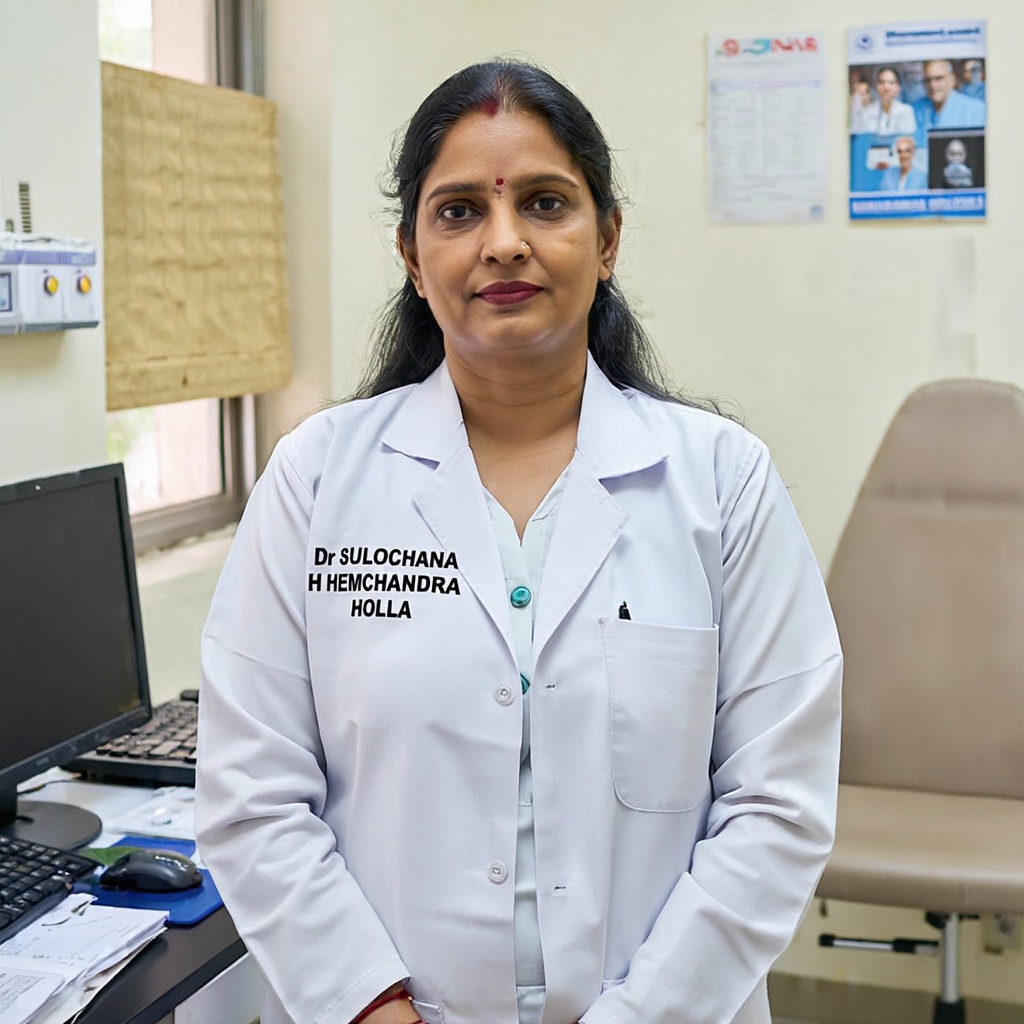
Dr SULOCHANA HEMCHANDRA HOLLA
Consultant Medical Geneticist · Reg: 8532
Last reviewed: September 7, 2026
Overview
The FISH - Trisomy 21 / Down Syndrome Test is performed to diagnose Down Syndrome in the fetus during pregnancy. It helps identify the presence of an extra chromosome 21, enabling early intervention and informed decision-making for high-risk pregnancies.
- Test Code
- 611
- Price
- ₹6,000
- Sample Type
- Whole blood / Cord blood / Amniotic fluid / Chorionic villus biopsy
- Result Time
- Report available within 4 days after sample receipt at the laboratory.
- Fasting Required
- No
- Method
- Fluorescence In Situ Hybridization (FISH)
Sample Collection
Complete and submit the mandatory Chromosome & FISH analysis Requisition Form (Form 17) and Prenatal Genetic Testing Consent Form (Form 18). Consult with a healthcare provider for genetic counseling and to understand the test implications.
Method: Venipuncture for blood, amniocentesis for amniotic fluid, chorionic villus sampling for biopsy
Laboratory Analysis
Sample collection is performed by a trained phlebotomist or medical professional using sterile techniques. For amniocentesis or CVS, the procedure is done under ultrasound guidance.
Report Delivery
Ensure the sample is labeled correctly and shipped at 18-22°C as per instructions. Avoid hemolysis or contamination. Await results within the specified turnaround time.
Timeline: Report available within 4 days after sample receipt at the laboratory.
Patient Instructions
About This Test
Who Should Get This Test
The FISH - Trisomy 21 / Down Syndrome Test is performed to diagnose Down Syndrome in the fetus during pregnancy. It helps identify the presence of an extra chromosome 21, enabling early intervention and informed decision-making for high-risk pregnancies.
How to Prepare
- Complete and submit Form 17 and Form 18 before sample collection
- Collect sample in the specified container (e.g., Green Top tubes for blood)
- Ship the sample at 18-22°C immediately after collection
- Ensure proper labeling with patient details and test information
- Avoid delays in transportation to maintain sample stability
Doctor's Notes
Reviewed by Dr SULOCHANA HEMCHANDRA HOLLA — MBBS, MD (Medical Genetics) · Reg. No. 8532
"Early detection through FISH testing for Trisomy 21 allows for informed decision-making and planning for Down Syndrome management during pregnancy."
Last medically reviewed: September 7, 2026
Test Parameters & Specifications
Sample Stability
- Hemolyzed sample
- Incorrect container or insufficient volume
- Missing or incomplete mandatory forms
- Sample contaminated or degraded
- Improper labeling or identification
Understanding Your Results
Positive
Indicates presence of trisomy 21, suggestive of Down Syndrome. Confirmatory testing like karyotyping is recommended.
Negative
Indicates normal chromosome 21 count, reducing the likelihood of Down Syndrome.
Inconclusive
Insufficient cells or technical error detected. Repeat testing or alternative methods may be needed.
If the test result is positive, consult a genetic counselor or obstetrician immediately for further evaluation, management options, and support. Even with negative results, discuss any concerns with your healthcare provider for comprehensive prenatal care.
Limitations
- ⚠FISH is a targeted test and may not detect other chromosomal abnormalities
- ⚠False positives or negatives can occur in rare cases
- ⚠Confirmatory karyotyping is recommended for positive results
- ⚠Limited to detecting specific chromosomal anomalies, not structural variations
- ⚠Requires adequate sample quality and quantity
Risks & Considerations
- ●Risk of miscarriage for invasive procedures like amniocentesis or CVS (approx. 0.1-0.3%)
- ●Infection at the collection site
- ●Cramping or mild discomfort
- ●Very low risk of fetal injury for invasive tests
Interfering Factors
- ●Sample contamination
- ●Insufficient cell count in the sample
- ●Maternal cell contamination in prenatal specimens
- ●Hemolyzed or degraded sample
- ●Technical errors during FISH processing
Compare With Similar Tests
| Test | FISH - Trisomy 21 / Down Syndrome Test | Chorionic Villus Sampling (CVS) | Amniocentesis | Non-Invasive Prenatal Testing (NIPT) | Karyotyping |
|---|---|---|---|---|---|
| Comparison | FISH - Trisomy 21 / Down Syndrome Test |
Frequently Asked Questions
What is the FISH - Trisomy 21 / Down Syndrome Test?
Why is the FISH Trisomy 21 test done?
Who should consider getting this test?
How is the test performed?
What samples are required for the test?
Is fasting required for the FISH Trisomy 21 test?
How long does it take to get the test results?
What are the risks associated with this test?
What does a positive result mean?
What does a negative result mean?
Can this test detect other chromosomal abnormalities?
How accurate is the FISH test for Down Syndrome?
Related Tests
Chromosome Analysis Cord Blood Test
₹4,000Chromosome Analysis Products of Conception Reflex Testing to FISH for Aneuploidy Detection Test
₹8,500Chromotouch Chromosome SNP Microarray Optima Products of Conception Test
₹18,500FISH - Amnio Three Probes: Trisomy 18 X & Y Test
₹10,500FISH - Amnio Two Probes: Trisomy 13 & 21 Test
₹7,500FISH - SRY Gene Test
₹7,371Reference Laboratory Services
We serve as a reference laboratory for hospitals and clinics across India. Send samples from your facility with same-day pickup, priority processing, and results delivered through our online portal. Competitive institutional pricing available.
Your Data Privacy
Your medical data is protected under Indian law.
✓ Stored in India: All patient records are stored on servers located in India. No data is transferred outside the country.
✓ DPDP Act Compliant: Under the Digital Personal Data Protection Act 2023, you can request deletion of your records at any time by contacting support.
Book Your Test
Enter your details and we'll connect you within 15 minutes.