
HLA DNA High Resolution Typing - DRB1 Locus Test
Short Name: HLA DRB1 High-Res Typing
Also known as: HLA-DRB1 High-Resolution Typing, HLA-DRB1 DNA Typing, High-Resolution HLA Typing - DRB1
HLA DNA High Resolution Typing - DRB1 Locus Test test available at DNA Labs India for ₹8,000. Uses PCR (Polymerase Chain Reaction), DNA Sequencing on Whole Blood or Buccal Swab samples. Results in 10-12 days from sample receipt at the laboratory. Free home collection in 300+ cities across India.

🩺 Medically Reviewed By
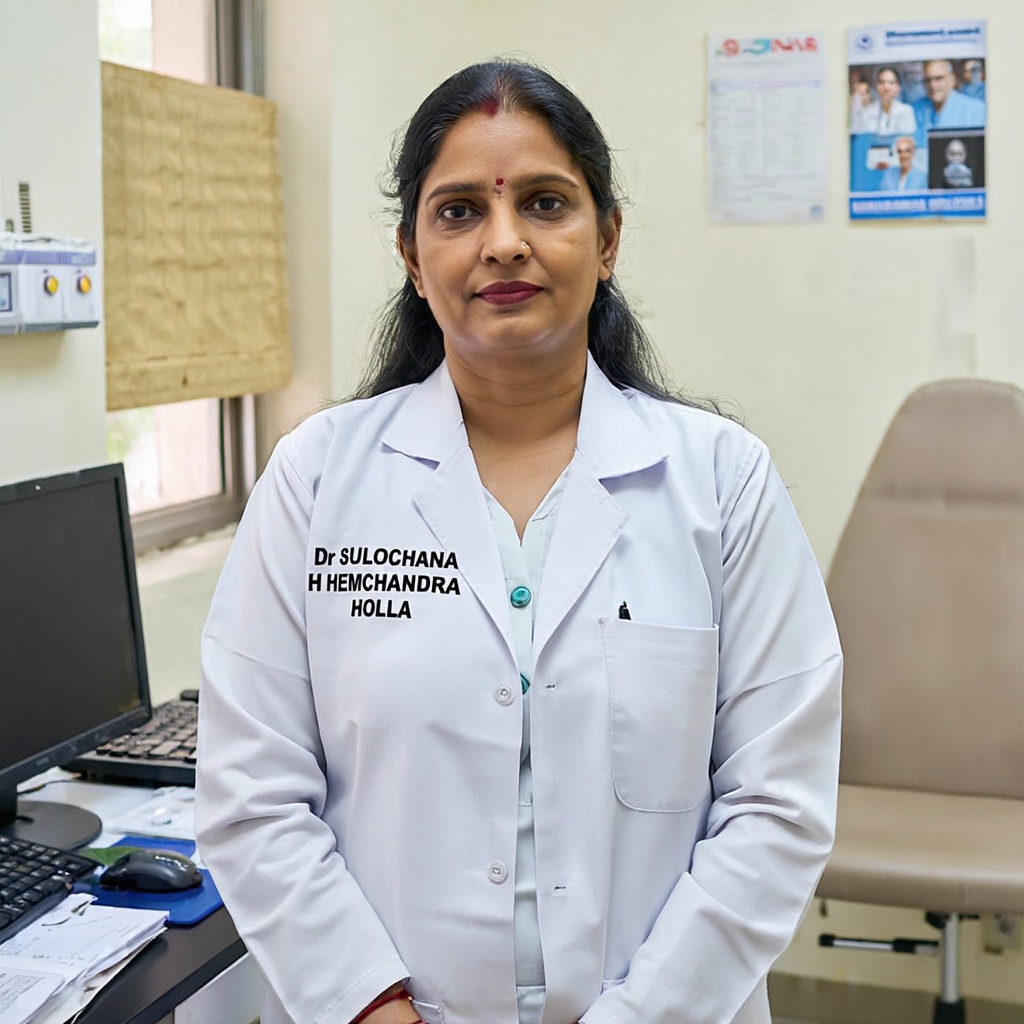
Dr SULOCHANA HEMCHANDRA HOLLA
Consultant Medical Geneticist · Reg: 8532
Last reviewed: September 7, 2026
Overview
This test is performed to determine the precise HLA-DRB1 allele profile for organ transplantation matching, diagnosis and risk assessment of autoimmune diseases, pre-transplant evaluation, family screening for genetic conditions, and research in immunogenetics. It helps clinicians make informed decisions regarding treatment plans and transplant compatibility.
- Test Code
- 805
- Price
- ₹8,000
- Sample Type
- Whole Blood or Buccal Swab
- Result Time
- 10-12 days from sample receipt at the laboratory
- Fasting Required
- No
- Method
- PCR (Polymerase Chain Reaction), DNA Sequencing
Sample Collection
No special preparation is required. Ensure the patient is well-hydrated for blood collection. For buccal swab, avoid eating, drinking, or smoking for at least 30 minutes prior.
Method: Venipuncture for blood or buccal swab collection
Laboratory Analysis
For blood draw: Clean the site, use appropriate tubes (EDTA or ACD), and label correctly. For buccal swab: Rub the swab firmly inside the cheek for 30 seconds to collect epithelial cells.
Report Delivery
Label samples properly and store refrigerated (2-8°C) for up to 96 hours. Do not freeze. Transport to the lab promptly in a cold chain.
Timeline: 10-12 days from sample receipt at the laboratory
Patient Instructions
About This Test
Who Should Get This Test
This test is performed to determine the precise HLA-DRB1 allele profile for organ transplantation matching, diagnosis and risk assessment of autoimmune diseases, pre-transplant evaluation, family screening for genetic conditions, and research in immunogenetics. It helps clinicians make informed decisions regarding treatment plans and transplant compatibility.
How to Prepare
- Use Lavender Top (EDTA) or Yellow Top (ACD) tube for blood samples
- Collect 4 mL (min 3 mL) in EDTA or 6 mL (min 3 mL) in ACD
- For buccal swab, use a sterile container and avoid contamination
- Ship refrigerated; do not freeze
- Include patient details and test request form
Doctor's Notes
Reviewed by Dr SULOCHANA HEMCHANDRA HOLLA — MBBS, MD (Medical Genetics) · Reg. No. 8532
"High-resolution HLA-DRB1 typing is critical for successful organ transplantation and understanding genetic susceptibility to autoimmune diseases. It ensures precise matching and personalized medical approaches."
Last medically reviewed: September 7, 2026
Test Parameters & Specifications
Sample Stability
- Hemolyzed or clotted blood samples
- Improperly labeled or unlabeled samples
- Samples stored frozen or at room temperature for prolonged periods
- Insufficient sample volume
- Contaminated buccal swabs
Understanding Your Results
No specific HLA-DRB1 alleles linked to autoimmune diseases detected. May indicate lower genetic risk, but clinical correlation is essential.
Result type: Normal/No disease-associated alleles
Detection of alleles associated with conditions like rheumatoid arthritis (e.g., DRB1*04:01) suggests increased genetic susceptibility. Further clinical evaluation is recommended.
Result type: Presence of disease-associated alleles
High-resolution match between donor and recipient HLA-DRB1 alleles increases the likelihood of successful transplantation and reduces rejection risk.
Result type: Transplant match
Mismatch in HLA-DRB1 alleles may require additional immunosuppression or donor reconsideration. Consult transplant specialist for management.
Result type: Transplant mismatch
Consult your doctor if you have a family history of autoimmune diseases, are undergoing evaluation for organ or bone marrow transplantation, or if results indicate susceptibility to immune-related conditions. Discuss implications for treatment and family planning.
Limitations
- ⚠May not detect all rare or novel HLA alleles
- ⚠Requires interpretation by a trained geneticist
- ⚠Results can be influenced by ethnic background and genetic diversity
- ⚠Not diagnostic alone for autoimmune diseases; clinical correlation is needed
Risks & Considerations
- ●Minimal risk from blood draw: slight pain, bruising, or infection at the puncture site
- ●No significant risks from buccal swab collection
- ●Possible anxiety related to test results; genetic counseling recommended
Interfering Factors
- ●Poor sample quality due to hemolysis or contamination
- ●Incorrect sample collection or storage (e.g., freezing whole blood)
- ●Previous blood transfusions or transplants may affect DNA purity
- ●Technical errors during PCR or sequencing
Compare With Similar Tests
| Test | HLA DNA High Resolution Typing - DRB1 Locus Test | HLA DNA Low Resolution Typing | HLA Antibody Screening | HLA-DQ Typing |
|---|---|---|---|---|
| Comparison | HLA DNA High Resolution Typing - DRB1 Locus Test | Low-resolution typing provides broader antigen-level results, while high-resolution typing gives allele-level specificity for precision in transplantation and disease association. | Antibody testing detects pre-formed antibodies against HLA antigens, complementing DNA typing for transplant risk assessment. | Focuses on the DQ locus, which is also involved in autoimmune diseases and transplantation; often performed alongside DRB1 typing. |
Frequently Asked Questions
What is the HLA DNA High Resolution Typing - DRB1 Locus Test?
Why is this test important for organ transplants?
What sample types are accepted for this test?
Is fasting required before the test?
How long does it take to get results?
What does a positive result mean?
Is home sample collection available?
What is the cost of the test?
Can this test diagnose autoimmune diseases?
Who should consider taking this test?
How should the sample be stored and transported?
Is this test covered by insurance?
Is genetic counseling recommended after taking this test?
Related Tests
Reference Laboratory Services
We serve as a reference laboratory for hospitals and clinics across India. Send samples from your facility with same-day pickup, priority processing, and results delivered through our online portal. Competitive institutional pricing available.
Your Data Privacy
Your medical data is protected under Indian law.
✓ Stored in India: All patient records are stored on servers located in India. No data is transferred outside the country.
✓ DPDP Act Compliant: Under the Digital Personal Data Protection Act 2023, you can request deletion of your records at any time by contacting support.
Book Your Test
Enter your details and we'll connect you within 15 minutes.