
MM Panel (Cytogenetics + FISH [del(11q), del(13q), IgH, del(17p)] Test
Short Name: MM Panel (Cytogenetics + FISH)
Also known as: MM FISH Panel, Multiple Myeloma Cytogenetic Panel, FISH for Multiple Myeloma
MM Panel (Cytogenetics + FISH [del(11q), del(13q), IgH, del(17p)] Test test available at DNA Labs India for ₹18,000. Uses Cell Culture, Fluorescence In Situ Hybridization (FISH) on Bone marrow / Peripheral blood samples. Results in Reports are typically available within 5-7 days after the sample is received at the laboratory.. Free home collection in 300+ cities across India.

🩺 Medically Reviewed By
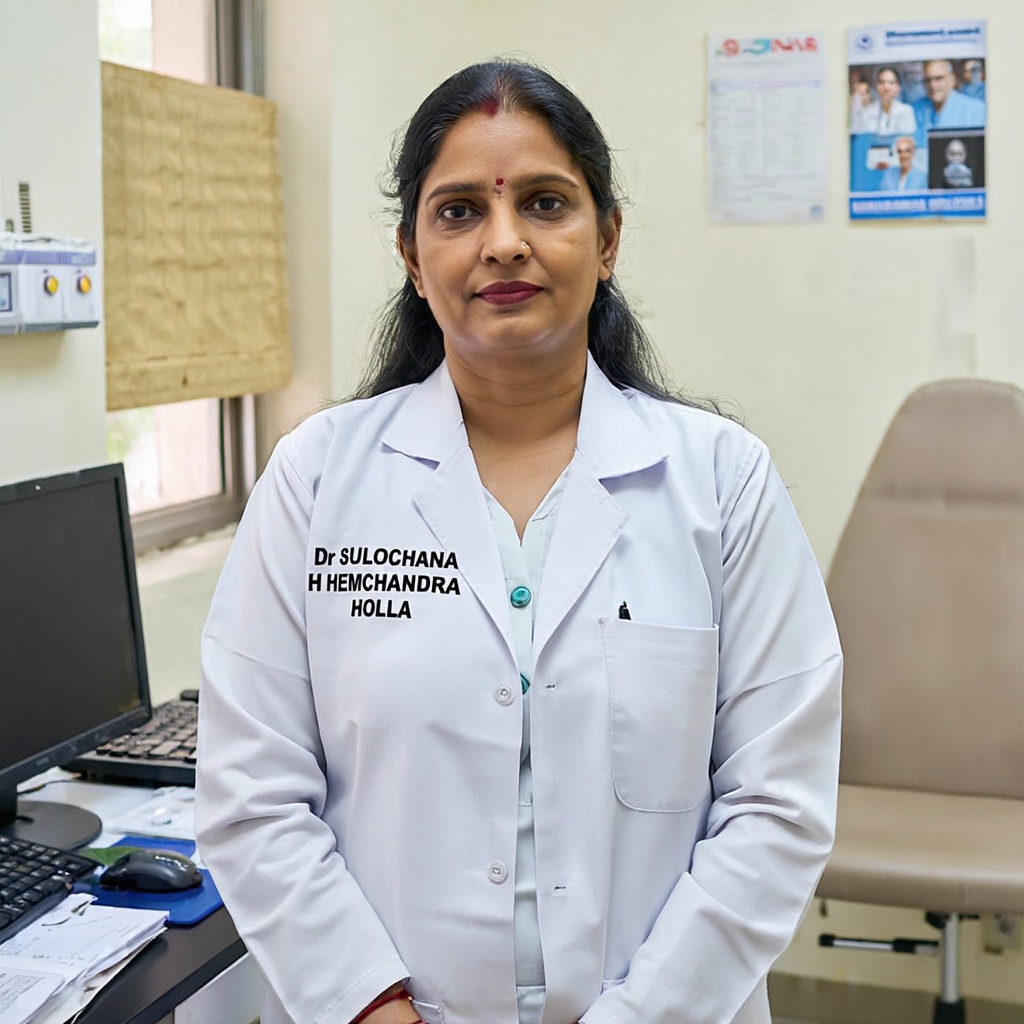
Dr SULOCHANA HEMCHANDRA HOLLA
Consultant Medical Geneticist · Reg: 8532
Last reviewed: September 7, 2026
Overview
The primary purpose of the MM Panel (Cytogenetics + FISH) is to identify specific genetic abnormalities in plasma cells that are characteristic of multiple myeloma. This information is essential for: 1) Confirming the diagnosis of MM, 2) Determining the prognosis (high-risk vs standard-risk), 3) Guiding treatment decisions (e.g., use of targeted therapies or stem cell transplantation), 4) Monitoring disease progression or response to therapy, and 5) Identifying familial or hereditary forms of the disease. The panel includes FISH probes for del(11q), del(13q), IgH translocations, and del(17p), which are among the most clinically significant aberrations in MM.
- Test Code
- 6137
- CPT Code
- 88230, 88237, 88271, 88291
- ICD Code
- C90.00
- Price
- ₹18,000
- Sample Type
- Bone marrow / Peripheral blood
- Result Time
- Reports are typically available within 5-7 days after the sample is received at the laboratory.
- Fasting Required
- No
- Method
- Cell Culture, Fluorescence In Situ Hybridization (FISH)
Sample Collection
No special preparation is required. However, inform your doctor about any medications you are taking, especially anticoagulants or chemotherapy. A doctor's prescription is mandatory for this test.
Method: Bone marrow aspiration or venipuncture
Laboratory Analysis
The sample is collected by a trained phlebotomist or oncologist. For bone marrow aspiration, a local anesthetic is applied, and a needle is inserted into the hip bone to withdraw a small amount of marrow. For peripheral blood, a simple venipuncture is performed.
Report Delivery
After bone marrow aspiration, you may experience mild soreness at the puncture site. Apply pressure if bleeding occurs. You can resume normal activities immediately. For blood collection, no special care is needed.
Timeline: Reports are typically available within 5-7 days after the sample is received at the laboratory.
Patient Instructions
About This Test
Who Should Get This Test
The primary purpose of the MM Panel (Cytogenetics + FISH) is to identify specific genetic abnormalities in plasma cells that are characteristic of multiple myeloma. This information is essential for: 1) Confirming the diagnosis of MM, 2) Determining the prognosis (high-risk vs standard-risk), 3) Guiding treatment decisions (e.g., use of targeted therapies or stem cell transplantation), 4) Monitoring disease progression or response to therapy, and 5) Identifying familial or hereditary forms of the disease. The panel includes FISH probes for del(11q), del(13q), IgH translocations, and del(17p), which are among the most clinically significant aberrations in MM.
How to Prepare
- Bone marrow aspirate: 2-3 ml in a sodium heparin vacutainer, transported at room temperature (18-25°C) immediately
- Peripheral blood: 2 ml in a sodium heparin vacutainer, transported at room temperature (18-25°C) immediately
- Do not refrigerate or freeze the sample
- Label the sample with patient name, date, and time of collection
- Transport to the laboratory within 24 hours
Doctor's Notes
Reviewed by Dr SULOCHANA HEMCHANDRA HOLLA — MBBS, MD (Medical Genetics) · Reg. No. 8532
"This FISH panel is essential for risk stratification in multiple myeloma. Detection of del(17p) or IgH translocations can guide treatment intensity and prognosis."
Last medically reviewed: September 7, 2026
Test Parameters & Specifications
Sample Stability
- Clotted or hemolyzed sample
- Sample received after 24 hours of collection
- Incorrect anticoagulant (e.g., EDTA instead of sodium heparin)
- Unlabeled or mislabeled sample
- Sample from a patient who has received chemotherapy within the last 2 weeks (may affect cell viability)
Understanding Your Results
No clonal chromosomal abnormalities detected. This is associated with standard-risk MM and better prognosis.
Historically considered high-risk, but when isolated, may not confer poor prognosis. Often seen with other abnormalities.
High-risk marker. Associated with aggressive disease, resistance to therapy, and shorter survival. May warrant novel agents or clinical trials.
High-risk. Associated with poor prognosis. May benefit from proteasome inhibitors.
Standard-risk. Often associated with CD20 expression and better response to certain therapies.
High-risk. Associated with aggressive disease and poor outcome.
May be associated with poor prognosis, but its independent significance is still under investigation.
Consult your oncologist immediately if you experience symptoms such as severe bone pain, unexplained fractures, persistent fatigue, recurrent infections, or kidney problems. Early diagnosis and treatment can significantly improve outcomes.
Limitations
- ⚠FISH only detects specific abnormalities targeted by the probes; other rare aberrations may be missed
- ⚠Karyotyping may fail if no metaphase cells are obtained (culture failure)
- ⚠Results should be interpreted in conjunction with clinical and other laboratory findings
- ⚠Not a screening test for the general population; only for patients with suspected or confirmed MM
Risks & Considerations
- ●Bone marrow aspiration: slight risk of bleeding, infection, or discomfort at the puncture site
- ●Peripheral blood draw: minimal risk of bruising or infection
- ●No radiation exposure from FISH testing
Interfering Factors
- ●Recent blood transfusion may dilute the sample and affect results
- ●Inadequate bone marrow sample (hemodiluted) may yield false-negative results
- ●Prior chemotherapy or radiation may alter cytogenetic findings
- ●Delayed processing of sample may lead to cell death and failure of culture
- ●Use of anticoagulants other than sodium heparin may interfere with cell viability
Compare With Similar Tests
| Test | MM Panel (Cytogenetics + FISH [del(11q), del(13q), IgH, del(17p)] | Serum Protein Electrophoresis (SPEP) | Beta-2 Microglobulin | Bone Marrow Biopsy (Morphology) | FISH for del(17p) alone |
|---|---|---|---|---|---|
| Comparison | MM Panel (Cytogenetics + FISH [del(11q), del(13q), IgH, del(17p)] | SPEP detects monoclonal protein in blood, but does not provide genetic information. MM Panel provides chromosomal abnormalities for risk stratification. | Beta-2 microglobulin is a tumor marker for disease burden, but not specific for genetic risk. MM Panel offers genetic insights. | Bone marrow biopsy confirms plasma cell infiltration, but MM Panel adds cytogenetic and FISH analysis for prognosis. | A single FISH test may be cheaper, but MM Panel includes multiple probes (del(11q), del(13q), IgH, del(17p)) for comprehensive evaluation. |
Frequently Asked Questions
What is the cost of the MM Panel (Cytogenetics + FISH) test?
What does the MM Panel detect?
Is fasting required for this test?
What sample is needed?
How long does it take to get results?
Is a doctor's prescription required?
Can home sample collection be done?
What is the significance of del(17p) in multiple myeloma?
Are there any risks associated with bone marrow aspiration?
Can this test be used for monitoring after treatment?
Is the test covered by insurance?
What is the difference between cytogenetics and FISH?
Related Tests
B-Cell Rearrangement Detection Test
₹22,000Acute Lymphoblastic Leukemia (ALL) Cytogenetics Panel Test
₹20,000Epstein-Barr Virus Early RNA (EBER-ISH) In-Situ-Hybridization Test
₹6,000OncoPro NCCN Lung Cancer Panel with PD-L1 Test
₹140,400Acute Myeloid Leukemia (AML) Cytogenetics Panel Test
₹23,000AML ETO t(8;21) Gene Rearrangement PCR Qualitative Test
₹6,000Reference Laboratory Services
We serve as a reference laboratory for hospitals and clinics across India. Send samples from your facility with same-day pickup, priority processing, and results delivered through our online portal. Competitive institutional pricing available.
Your Data Privacy
Your medical data is protected under Indian law.
✓ Stored in India: All patient records are stored on servers located in India. No data is transferred outside the country.
✓ DPDP Act Compliant: Under the Digital Personal Data Protection Act 2023, you can request deletion of your records at any time by contacting support.
Book Your Test
Enter your details and we'll connect you within 15 minutes.