
Osteoporosis Panel Test
Short Name: Osteoporosis Panel
Also known as: Bone Health Panel, Osteoporosis Screening Panel, Bone Metabolism Panel, Osteoporosis Risk Assessment Panel, Bone Turnover Marker Panel
Osteoporosis Panel Test test available at DNA Labs India for ₹7,000. Uses Arsenazo III (Calcium), CLIA (Vitamin D, 25-Hydroxy), ECLIA (PTH-Intact, P1NP), Molybdate UV (Phosphorus) on Serum samples. Results in Same day. Samples received at the laboratory by 4:00 PM on Monday (or working days) will have results available the same day.. Free home collection in 300+ cities across India.

🩺 Medically Reviewed By
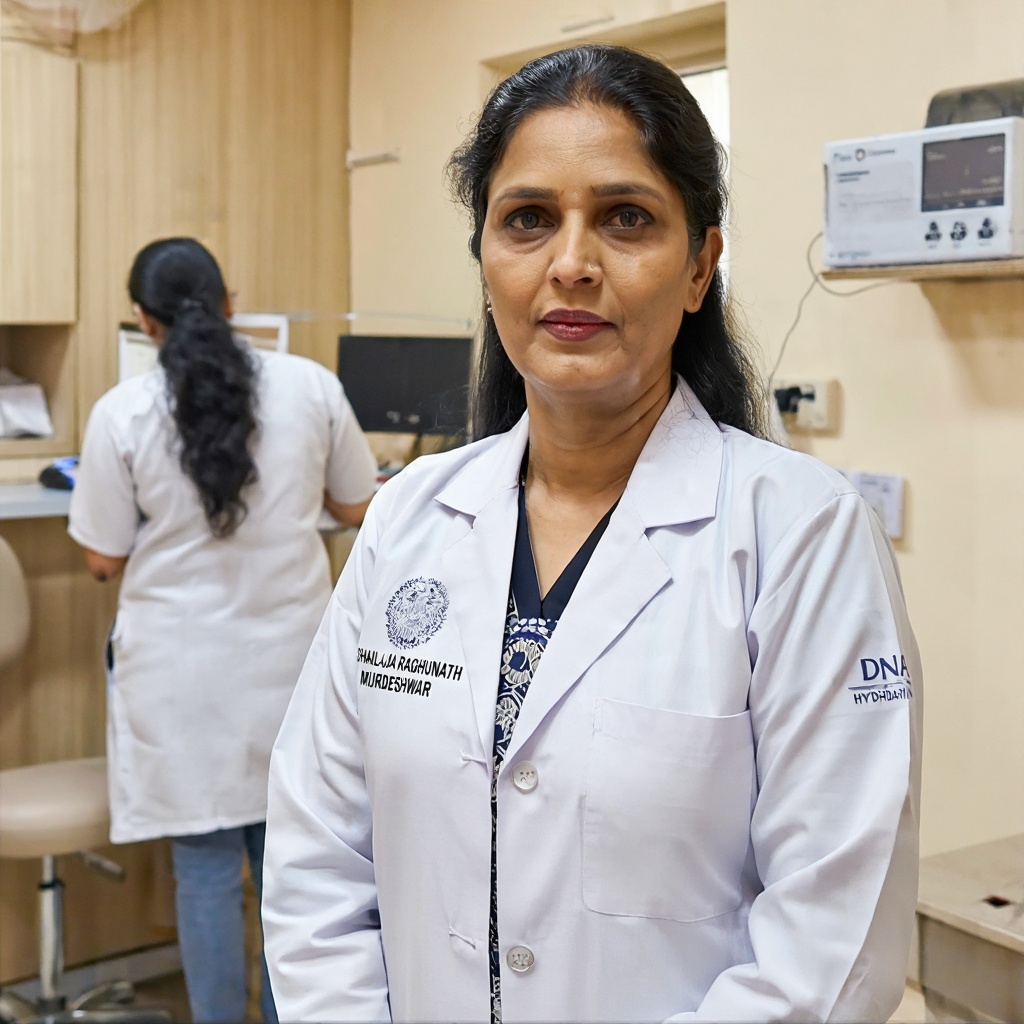
Dr SHAILAJA RAGHUNATH MURDESHWAR
Consultant Physician · Reg: 8052
Last reviewed: September 7, 2026
Overview
The Osteoporosis Panel Test is performed to evaluate bone health by measuring critical biomarkers involved in calcium-phosphorus metabolism, parathyroid regulation, vitamin D sufficiency, and bone formation. This test helps identify osteoporosis or osteopenia early, monitors bone turnover in patients receiving treatment, evaluates the effectiveness of calcium and vitamin D supplementation, and assists in determining fracture risk. It is an essential diagnostic tool for individuals at risk of bone demineralization, including postmenopausal women, elderly individuals, patients on chronic corticosteroid therapy, and those with endocrine or renal disorders affecting bone metabolism.
- Test Code
- 1384
- CPT Code
- 82306, 83970, 82607, 84100, 84022
- ICD Code
- M81.0, M80.0, M81.9
- Price
- ₹7,000
- Sample Type
- Serum
- Result Time
- Same day. Samples received at the laboratory by 4:00 PM on Monday (or working days) will have results available the same day.
- Fasting Required
- Yes
- Method
- Arsenazo III (Calcium), CLIA (Vitamin D, 25-Hydroxy), ECLIA (PTH-Intact, P1NP), Molybdate UV (Phosphorus)
Sample Collection
Overnight fasting for 8–10 hours is preferred. Collect the blood sample preferably between 8 AM and 10 AM. Inform your doctor about any calcium, Vitamin D, or biotin supplements you are currently taking, as these may affect test results. Discontinue biotin supplements at least 72 hours before sample collection if advised by your physician.
Method: Venipuncture
Laboratory Analysis
A trained phlebotomist will collect approximately 5 mL of blood via venipuncture from a vein in your arm. Two SST (Serum Separator Tube) vials will be used. The procedure typically takes 5–10 minutes and involves minimal discomfort.
Report Delivery
After blood collection, slight bruising or soreness at the puncture site may occur, which typically resolves within a day. Apply gentle pressure with cotton for a few minutes. You may resume normal activities and your regular diet immediately after sample collection.
Timeline: Same day. Samples received at the laboratory by 4:00 PM on Monday (or working days) will have results available the same day.
Patient Instructions
About This Test
Who Should Get This Test
The Osteoporosis Panel Test is performed to evaluate bone health by measuring critical biomarkers involved in calcium-phosphorus metabolism, parathyroid regulation, vitamin D sufficiency, and bone formation. This test helps identify osteoporosis or osteopenia early, monitors bone turnover in patients receiving treatment, evaluates the effectiveness of calcium and vitamin D supplementation, and assists in determining fracture risk. It is an essential diagnostic tool for individuals at risk of bone demineralization, including postmenopausal women, elderly individuals, patients on chronic corticosteroid therapy, and those with endocrine or renal disorders affecting bone metabolism.
How to Prepare
- Overnight fasting for 8–10 hours is preferred before sample collection
- Collect blood sample between 8:00 AM and 10:00 AM
- Use 2 SST (Serum Separator Tubes) for a minimum of 5 mL (3 mL min.) serum
- Separate serum from cells within 30 minutes of collection
- Freeze the separated serum immediately after separation
- Ship frozen samples to the laboratory. DO NOT THAW during transit
- Hemolysed samples are not acceptable and will be rejected
Doctor's Notes
Reviewed by Dr SHAILAJA RAGHUNATH MURDESHWAR — MBBS, MD (General Medicine) · Reg. No. 8052
"The Osteoporosis Panel Test provides a comprehensive snapshot of calcium-phosphorus metabolism, parathyroid function, vitamin D status, and active bone formation. I routinely recommend this panel for postmenopausal women, patients on long-term corticosteroids, individuals with recurrent fractures, and those with risk factors for bone demineralization. Early identification of abnormal bone turnover markers allows timely intervention with supplementation, lifestyle changes, or pharmacotherapy, significantly reducing fracture risk and improving long-term skeletal health outcomes."
Last medically reviewed: September 7, 2026
Test Parameters & Specifications
Sample Stability
- Hemolysed samples
- Samples not separated and frozen within 30 minutes of collection
- Thawed samples during transit
- Insufficient sample volume (less than 3 mL serum)
- Samples collected in incorrect tubes (not SST)
- Samples received at room temperature
Understanding Your Results
Normal Results
Details: All parameters within reference ranges suggest adequate bone metabolism. Continue routine preventive measures including adequate calcium and Vitamin D intake, regular weight-bearing exercise, and periodic screening as recommended by your physician.
Low Calcium with High PTH
Details: This pattern suggests secondary hyperparathyroidism, often due to Vitamin D deficiency or chronic kidney disease. The parathyroid glands compensate for low calcium by increasing PTH, which mobilizes calcium from bones, accelerating bone loss.
Low Vitamin D (<20 ng/mL)
Details: Vitamin D deficiency impairs intestinal calcium absorption, leading to compensatory PTH elevation and increased bone resorption. Supplementation with cholecalciferol (Vitamin D3) is typically recommended based on the severity of deficiency.
Elevated P1NP
Details: Elevated P1NP indicates increased bone formation turnover. This may be seen in active osteoporosis, Paget's disease of bone, hyperthyroidism, or during the initial phase of anti-osteoporotic treatment. Serial P1NP measurements help monitor treatment response.
Low Phosphorus with Low Calcium
Details: Combined low phosphorus and calcium may indicate malnutrition, malabsorption, or Vitamin D deficiency. Further evaluation with DEXA scan and additional laboratory workup is recommended.
Elevated Calcium with Low PTH
Details: This pattern may suggest malignancy-related hypercalcemia, granulomatous diseases, or excessive Vitamin D intake. Urgent medical evaluation is recommended to identify the underlying cause.
Consult your doctor or an endocrinologist if your Osteoporosis Panel Test results show any abnormal values. Additionally, seek medical advice if you experience unexplained bone pain, recurrent fractures with minimal trauma, significant loss of height, or a stooped posture. Postmenopausal women and individuals with risk factors for osteoporosis should discuss screening and preventive strategies with their healthcare provider. Early medical intervention can significantly reduce fracture risk and improve quality of life.
Limitations
- ⚠This panel does not include bone densitometry (DEXA scan) which is required for definitive osteoporosis diagnosis
- ⚠Results should be interpreted in conjunction with clinical history, physical examination, and imaging studies
- ⚠Single-time measurements may not reflect long-term bone turnover trends
- ⚠Reference ranges may vary across laboratories and populations
Risks & Considerations
- ●Minor bruising or soreness at the blood collection site
- ●Slight risk of infection at the puncture site (rare)
- ●Fainting or lightheadedness during blood draw (rare)
- ●No significant or long-term risks associated with this test
Interfering Factors
- ●Hemolysed samples are not acceptable and may affect results
- ●Recent intake of calcium or Vitamin D supplements may alter levels
- ●Biotin supplements can interfere with ECLIA-based immunoassays
- ●Time of sample collection affects cortisol-dependent markers; samples should be collected between 8–10 AM
- ●Heparin anticoagulant can interfere with calcium measurement
- ●Albumin levels can affect total calcium interpretation
Compare With Similar Tests
| Test | Osteoporosis Panel Test | DEXA Scan (Bone Densitometry) | Vitamin D Test (25-Hydroxy Vitamin D) | Serum Calcium Test |
|---|---|---|---|---|
| Comparison | Osteoporosis Panel Test |
Frequently Asked Questions
What is an Osteoporosis Panel Test?
Who should get the Osteoporosis Panel Test done?
What parameters are measured in the Osteoporosis Panel Test?
How much does the Osteoporosis Panel Test cost in India?
Is fasting required for the Osteoporosis Panel Test?
How is the sample collected for the Osteoporosis Panel Test?
When will I receive my Osteoporosis Panel Test results?
What are normal reference ranges for the Osteoporosis Panel Test?
What should I do if my Osteoporosis Panel Test results are abnormal?
Is home sample collection available for the Osteoporosis Panel Test?
How accurate is the Osteoporosis Panel Test?
Can men undergo the Osteoporosis Panel Test?
Related Tests
Reference Laboratory Services
We serve as a reference laboratory for hospitals and clinics across India. Send samples from your facility with same-day pickup, priority processing, and results delivered through our online portal. Competitive institutional pricing available.
Your Data Privacy
Your medical data is protected under Indian law.
✓ Stored in India: All patient records are stored on servers located in India. No data is transferred outside the country.
✓ DPDP Act Compliant: Under the Digital Personal Data Protection Act 2023, you can request deletion of your records at any time by contacting support.
Book Your Test
Enter your details and we'll connect you within 15 minutes.