
HLA Single Antigen Bead Assay for Class II IgG Antibodies DSA-SAB Class II Test
Short Name: DSA-SAB Class II Test
Also known as: DSA-SAB Class II Test, HLA Class II Antibody Test
HLA Single Antigen Bead Assay for Class II IgG Antibodies DSA-SAB Class II Test test available at DNA Labs India for ₹26,000. Uses Luminex X-Map technology on Serum samples. Results in Reports available in 10-12 days.. Free home collection in 300+ cities across India.

🩺 Medically Reviewed By
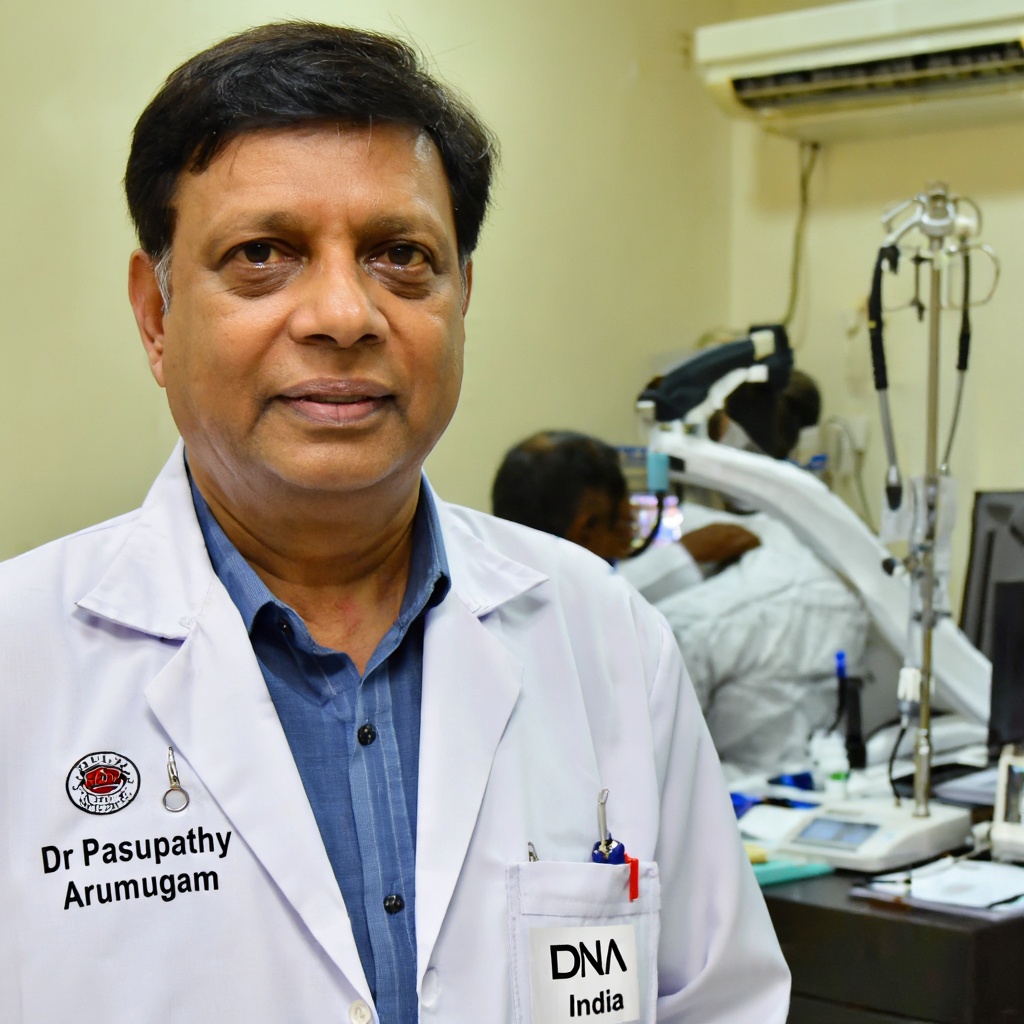
Dr Pasupathy Arumugam
Consultant Pathologist · Reg: 21521
Last reviewed: September 7, 2026
Overview
To detect donor-specific HLA Class II IgG antibodies in transplant recipients, aiding in the diagnosis of antibody-mediated rejection, risk stratification, and treatment planning for autoimmune conditions and transplant management.
- Test Code
- 826
- Price
- ₹26,000
- Sample Type
- Serum
- Result Time
- Reports available in 10-12 days.
- Fasting Required
- No
- Method
- Luminex X-Map technology
Sample Collection
No special preparation required. Provide a brief clinical history as instructed.
Method: Venipuncture
Laboratory Analysis
A blood sample will be drawn from a vein in the arm using standard venipuncture.
Report Delivery
Apply pressure to the puncture site to prevent bleeding. Resume normal activities.
Timeline: Reports available in 10-12 days.
Patient Instructions
About This Test
Who Should Get This Test
To detect donor-specific HLA Class II IgG antibodies in transplant recipients, aiding in the diagnosis of antibody-mediated rejection, risk stratification, and treatment planning for autoimmune conditions and transplant management.
How to Prepare
- Use SST (Serum Separator Tube)
- Ship sample refrigerated or frozen
- Include brief clinical history with sample
Doctor's Notes
Reviewed by Dr Pasupathy Arumugam — MBBS, MD (Pathology) · Reg. No. 21521
"This assay is critical for assessing donor-specific antibodies in kidney transplant recipients, helping to predict and manage antibody-mediated rejection."
Last medically reviewed: September 7, 2026
Test Parameters & Specifications
Sample Stability
- Hemolyzed or clotted samples
- Insufficient sample volume
- Improper container or labeling
Understanding Your Results
If test is positive, or if experiencing symptoms like fever, fatigue, reduced urine output, or signs of transplant rejection post-transplantation.
Limitations
- ⚠May not detect all antibody specificities
- ⚠Results require clinical correlation
- ⚠Cross-reactivity possible with other HLA antigens
Risks & Considerations
- ●Minor bruising or pain at puncture site
- ●Rare risk of infection or hematoma
Interfering Factors
- ●Hemolyzed or lipemic samples
- ●Sample contamination
- ●Improper storage conditions
Frequently Asked Questions
What is the HLA Single Antigen Bead Assay for Class II IgG Antibodies?
Why is this test recommended?
How is the test performed?
What does a positive result mean?
How long does it take to get results?
Is the test painful?
Are there any risks?
How should I prepare for the test?
What is the cost of the test?
Is home collection available?
Can I eat before the test?
How accurate is the test?
Related Tests
HLA - Panel Reactive IgG Antibodies (PRA) Class II Quantitative Test
₹15,000HLA - ABC (Class 1) Typing Test
₹12,051HLA - DR (Class II) Typing Test
₹8,658HLA - Panel Reactive IgG Antibodies (PRA) Screen Test
₹8,500HLA DSA (Donor Specific IgG Antibodies) Class I & II Test
₹13,000HLA Typing Test for Donor and Recipient
₹16,000Reference Laboratory Services
We serve as a reference laboratory for hospitals and clinics across India. Send samples from your facility with same-day pickup, priority processing, and results delivered through our online portal. Competitive institutional pricing available.
Your Data Privacy
Your medical data is protected under Indian law.
✓ Stored in India: All patient records are stored on servers located in India. No data is transferred outside the country.
✓ DPDP Act Compliant: Under the Digital Personal Data Protection Act 2023, you can request deletion of your records at any time by contacting support.
Book Your Test
Enter your details and we'll connect you within 15 minutes.